






- South India’s relentless summer heat is more than just uncomfortable—it can be a true challenge for those with sensitive skin. As temperatures regularly climb to 35–40°C in coastal and inland regions, the combination of sun, humidity, and pollution creates a perfect storm for skin irritation, breakouts, rashes, and premature aging. For anyone with delicate skin, advanced protective strategies are not just a luxury, but a necessity for staying healthy and comfortable throughout the season[1][3][6][7]. In this in
- depth guide, we’ll explore scientific insights, actionable tactics, and the advanced solutions Doctor Towels brings to the table, empowering you to elevate your skin defense this summer.
Understanding the Heat: Why South Indian Summers Challenge Sensitive Skin
- South India’s climate is shaped by its proximity to the equator and the surrounding seas, resulting in prolonged periods of intense sunlight, thick humidity, and soaring temperatures, particularly from March through May. Coastal states like Kerala, Tamil Nadu, and Goa regularly see daytime highs of 35°C, with interiors reaching 40°C or higher[1][3][6]. The humidity amplifies the sensation of heat and can heighten the risk of skin irritation, clogging pores and making the skin more reactive.
Sensitive skin is particularly vulnerable in these conditions because:
- Sweat mixes with environmental pollutants, increasing chances of irritation and breakouts.
- Prolonged sun exposure can trigger inflammation, redness, and even more serious issues like sunburn or hyperpigmentation.
- Heat and humidity can disrupt the skin’s natural barrier, leading to dehydration or, conversely, excess oiliness.
- The constant need for wiping away sweat and salt can cause micro
- abrasions and strip away protective oils, compounding sensitivity issues.
- This challenging environment demands a next
- level approach to skin care and hygiene—one that goes beyond basic routines and anticipates the unique needs of sensitive skin in extreme heat.
How Heat and Humidity Affect Sensitive Skin: The Science
To effectively protect sensitive skin in South Indian summers, it helps to understand exactly how heat and humidity interact with the skin’s biology.
1. Barrier Disruption
The outermost layer of your skin, the stratum corneum, acts as a protective barrier. High temperatures and humidity increase transepidermal water loss (TEWL), weakening this barrier and making skin more prone to dehydration, irritation, and penetration by allergens or pollutants. Sensitive skin already has a compromised barrier, so the risk is even greater.
2. Increased Sweat and Sebum Production
Heat stimulates sweat glands as the body tries to cool itself. In humid conditions, sweat evaporates slowly, leaving a moist environment that fosters bacterial growth. Sebaceous glands may also ramp up oil production, leading to clogged pores, acne, and a greasy feeling.
3. Sun Exposure and UV Damage
UV rays penetrate more deeply in the tropics, causing DNA damage, inflammation, and premature aging. Sensitive skin reacts with redness, rashes, and sometimes allergic responses. Over time, repeated exposure can lead to persistent hyperpigmentation and even increase skin cancer risk.
4. Microbial Overgrowth
Warm, sweaty skin provides an ideal breeding ground for bacteria and fungi, especially in skin folds or areas frequently wiped with towels. This can lead to folliculitis, fungal infections, and aggravation of existing skin conditions like eczema.
5. Friction and Mechanical Damage
- Constantly wiping sweat or salt off the skin—often with rough or damp towels—can cause micro
- tears, stripping away the protective lipid layer and making skin more vulnerable to external irritants.
Peer-Reviewed Evidence and Dermatological Findings
Scientific research and clinical studies consistently underscore the impact of environmental stressors on sensitive skin, especially in hot and humid climates.
- A study published in the Journal of the European Academy of Dermatology and Venereology found that individuals living in humid, polluted environments had significantly higher rates of skin barrier dysfunction, sensitivities, and inflammatory skin diseases compared to those in temperate climates (Kim et al., 2018).
- Research from the Indian Journal of Dermatology highlights that high humidity increases the risk of fungal and bacterial infections, particularly in areas prone to sweating, and that proper hygiene—including regular towel changes—is crucial to prevention (Sharma & Kaur, 2017).
- UV index readings in South India are consistently in the “very high” to “extreme” range during summer, increasing the risk of acute sunburn and long
- term skin aging, especially for those with fair or sensitive skin[1][3].
- An analysis by the American Academy of Dermatology recommends using soft, breathable, and antimicrobial fabrics for towels and clothing to minimize friction and prevent microbial overgrowth during hot, humid weather (AAD, 2021).
Doctor Towels has addressed these issues directly in their blog, emphasizing the importance of antimicrobial towels for sensitive skin, especially in challenging climates. In their article “Why Choose Antibacterial Towels for Sensitive Skin?,” Doctor Towels highlights how ordinary towels can harbor bacteria and fungi, exacerbating skin irritation, while advanced antibacterial towels provide superior protection[doctor towels antibacterial towels sensitive skin blog].
Doctor Towels: Advanced Solutions for Sensitive Skin in the Heat
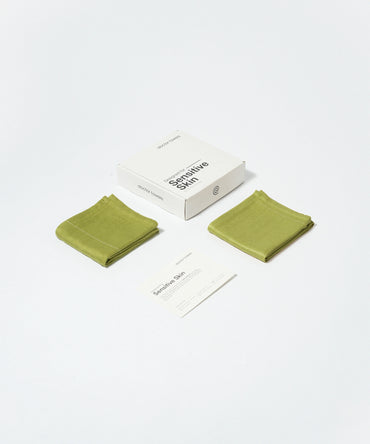
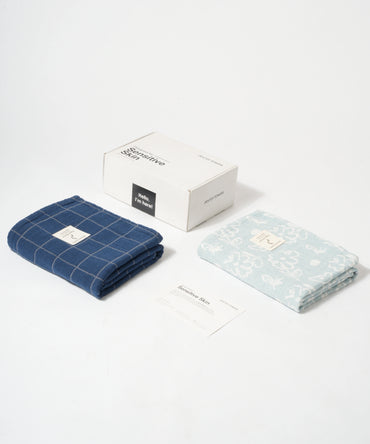
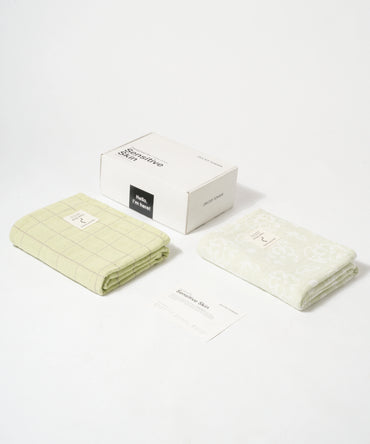
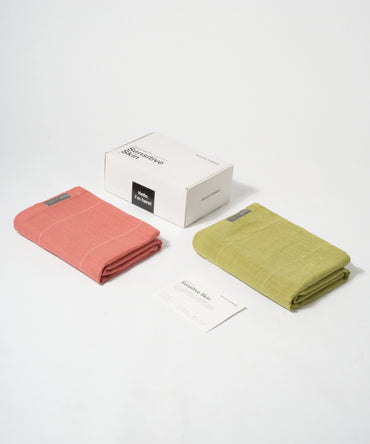
Doctor Towels has taken the science seriously, developing a range of products and practices specifically designed to protect sensitive skin from the rigors of South Indian summers.
Key features and benefits include:
Antibacterial Technology
Doctor Towels uses proprietary antibacterial treatments on their towels, directly inhibiting the growth of bacteria and fungi. This means your towel stays fresher longer and is less likely to transfer microbes back onto your skin, a crucial factor in preventing breakouts and infections in hot, sweaty conditions[doctor towels antibacterial towels sensitive skin blog].
Ultra-Soft, Hypoallergenic Fabrics
- Their towels are crafted from premium cotton blends that are extra gentle on sensitive skin. The blog post “Choosing the Right Towel Material for Sensitive Skin” explains how harsh fibers can cause micro
- abrasions and irritation, while Doctor Towels’ smooth, soft textures minimize friction and discomfort[doctor towels towel material sensitive skin blog].
Fast-Drying and Breathable Design
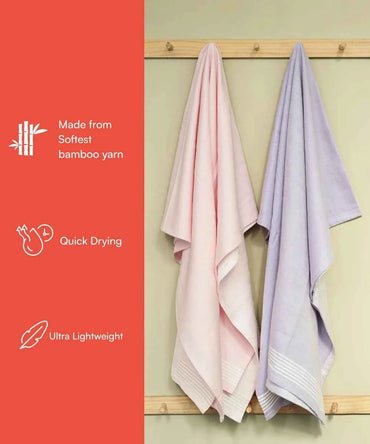
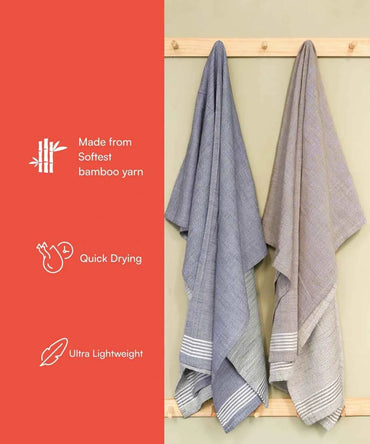
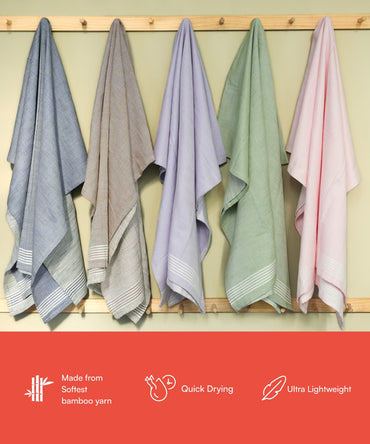
- Quick
- drying towels are essential in humid climates, where damp fabrics can quickly become breeding grounds for pathogens. Doctor Towels’ fast
- dry technology ensures towels are ready for repeated use without staying moist, lowering the risk of skin infections[doctor towels fast drying towels blog].
Lightweight and Highly Absorbent
The unique weave and construction of Doctor Towels products offer high absorbency without becoming heavy or rough, allowing you to gently pat away sweat without dragging on the skin or causing redness[doctor towels towel absorbency blog].
Dermatologist-Recommended Hygiene Practices
Doctor Towels’ educational content emphasizes the importance of changing towels frequently, washing them in hot water, and avoiding fabric softeners that can leave irritating residues—advice that is especially important for sensitive skin in hot, humid weather[doctor towels towel hygiene blog].
Elevated Skin Protection: Actionable Strategies for Sensitive Skin
- It’s not enough to just use advanced towels—your entire approach to skin care must adapt to the demands of South Indian summers. Here are science
- backed, practical steps you can take to further shield your sensitive skin:
1. Prioritize Sun Protection
- Use a broad
- spectrum, fragrance
- free sunscreen with at least SPF 30, and reapply every two hours or after sweating.
- Wear wide
- brimmed hats, sunglasses, and lightweight, long
- sleeved clothing made of breathable fabrics.
- Seek shade during peak sunlight hours (10 a.m. to 4 p.m.).
2. Adopt a Gentle Cleansing Routine
- Wash your face and body with a mild, sulfate
- free cleanser to remove sweat, salt, and environmental pollutants without stripping the skin barrier.
- Avoid over
- washing or using harsh scrubs, which can worsen sensitivity.
3. Hydrate Inside and Out
- Drink plenty of water to compensate for fluid loss through sweat.
- Apply a lightweight, fragrance
- free moisturizer immediately after showering, ideally while the skin is still damp, to lock in hydration.
4. Use Antibacterial, Soft Towels
- Switch to antibacterial towels (such as those from Doctor Towels) to minimize microbial transfer and irritation[doctor towels antibacterial towels sensitive skin blog].
- Gently pat—never rub—your skin dry to avoid friction and micro
- injuries.
5. Change and Wash Towels Frequently
- Replace face and body towels at least every two to three days, and immediately if they become damp or soiled.
- Wash towels in hot water (at least 60°C) to kill bacteria and fungi, and avoid using fabric softeners.
6. Address Sweat and Humidity
- Shower after heavy sweating or outdoor activity to remove salt and bacteria.
- Use talc
- free powders in skin folds (like underarms and behind knees) to reduce chafing and moisture accumulation.
7. Care for Clothing and Bedding
- Choose loose, breathable, natural fabrics like cotton or bamboo to minimize friction and keep skin cool.
- Change and wash pillowcases and bed linens frequently, as sweat and oils can accumulate and irritate skin.
8. Monitor Your Skin
- Watch for signs of irritation, rash, or infection, and consult a dermatologist promptly for persistent issues.
- Keep a simple, consistent routine—overloading with products can worsen sensitivity.
Frequently Asked Questions: Sensitive Skin and South Indian Summers
How often should I change my towel during the summer?
For sensitive skin, it’s best to change towels every two to three days, or immediately if they become damp or start to smell. Doctor Towels emphasizes that regular towel changes are critical to prevent microbial buildup and skin irritation[doctor towels towel hygiene blog].
Can antibacterial towels really help prevent breakouts and rashes?
Yes. Studies and Doctor Towels’ own research demonstrate that antibacterial towels significantly reduce the risk of transferring bacteria and fungi back onto the skin, lowering the incidence of breakouts, rashes, and infections—especially in hot, humid climates[doctor towels antibacterial towels sensitive skin blog].
Are certain towel materials better for sensitive skin?
Absolutely. Doctor Towels recommends soft, hypoallergenic cotton blends, which are less likely to cause friction and irritation compared to rough or synthetic fabrics[doctor towels towel material sensitive skin blog].
Do I still need sunscreen if I’m indoors most of the day?
- Yes. UV rays can penetrate windows, and incidental sun exposure adds up. Broad
- spectrum sunscreen is a must for all skin types, but especially for sensitive skin prone to sun damage.
What’s the best way to deal with body acne in hot weather?
Use antibacterial towels, shower regularly, wear loose clothing, and avoid harsh scrubs. If acne persists, consult a dermatologist for targeted treatments.
What about children or the elderly with sensitive skin?
- The same principles apply, but extra care should be taken, as their skin may be even more fragile. Use gentle, fragrance
- free products and soft, antibacterial towels for every family member.
Expanding Your Skin Wellness: Beyond the Basics
Protecting sensitive skin in South India’s heat isn’t just about towels and sunscreen. Consider these additional factors for a holistic approach:
Diet and Hydration
- Eating a diet rich in antioxidants (fruits, vegetables, nuts) and staying well
- hydrated supports skin resilience from the inside out.
Managing Environmental Pollutants
- Air pollution can aggravate sensitive skin. When outdoors, cleanse skin promptly and use antioxidant
- rich serums for extra defense.
Stress Management
Heat and discomfort can elevate stress, which in turn affects skin health. Incorporate relaxation practices like yoga, meditation, or deep breathing.
Seasonal Adjustments
Adjust your skin care routine with the seasons. As the monsoon arrives, humidity may increase, but UV intensity might drop. Continue to monitor your skin’s needs and switch products or habits as required.
Choosing the Right Products
Read ingredient labels and avoid fragrances, alcohol, and harsh preservatives, which can trigger sensitive skin reactions.
The Doctor Towels Commitment
- Doctor Towels’ ongoing research and educational outreach are dedicated to empowering people with sensitive skin to thrive in challenging climates. From innovative product design to evidence
- based tips, the brand continues to set the standard for advanced hygiene and skin care solutions in South India and beyond[doctor towels blog main page].
- For those ready to take their skin protection to the next level this summer, integrating Doctor Towels’ advanced towels and recommended hygiene practices is a proven, science
- backed way to keep sensitive skin cool, calm, and healthy—no matter how high the temperature climbs.
- If you would like to explore more about towel hygiene, personal care, or specific skin concerns, Doctor Towels’ blog offers a wealth of resources covering everything from the best towel materials for acne
- prone skin to DIY cleansing routines tailored for the hottest months of the year[doctor towels blog main page].
- Remember: in South India’s extreme heat, protecting sensitive skin is not just about comfort—it’s about resilience, confidence, and long
- term health. Take the next step with informed choices and advanced solutions that make all the difference.
Prev post
Next post
The Challenge of South India's Hot and Humid Weather
Updated on 22 October 2025