






- Heat
- induced skin sensitivity is a growing concern in South India, where intense heat, humidity, and unique cultural practices create an environment ripe for skin irritation, rashes, and chronic discomfort. While many attribute summer skin woes to mere sweating or sun exposure, the underlying science points to complex interactions between climate, biology, and daily habits. Understanding these mechanisms is crucial for proactive care and effective relief.
- South India's climate, characterized by soaring temperatures often exceeding 36°C to 41°C from March to June, exposes residents to prolonged periods of heat and high humidity. This environmental stress is compounded by everyday practices—such as frequent hair oiling and sun
- drying, wearing synthetic uniforms, and spending hours outdoors or in non
- air
- conditioned spaces—which collectively contribute to a range of skin sensitivities unique to the region. Conditions like heat rash, prickly heat, eczema, and localized follicular reactions are not only common but often persistent, demanding more than just symptomatic treatment. Recognizing the problem’s roots allows for smarter prevention, better management, and healthier skin year
- round.
The Science of Heat-Induced Skin Sensitivity
- The skin is a dynamic barrier, designed to protect against external threats while regulating temperature and moisture. In extreme heat, its delicate balance is challenged. Heat
- induced skin sensitivity typically arises when the body’s cooling mechanism—sweating—becomes compromised. Sweat ducts may become blocked, trapping moisture beneath the surface and triggering inflammatory responses that manifest as rashes, blisters, and persistent itching. According to dermatological research, heat rash (miliaria) is caused by blocked sweat ducts and the accumulation of sweat in the skin’s upper layers, particularly in areas covered by clothing or exposed to friction, such as the neck, back, groin, and under breasts. The resulting rash can be red, itchy, and sometimes accompanied by small blisters or papules.
Humidity exacerbates this process by preventing sweat from evaporating efficiently, prolonging moisture exposure and increasing the risk of fungal or bacterial infections. Seasonal changes in hormone levels—especially among women in the menopausal age group—can further affect skin barrier function, decreasing sebum and sweat production and leading to dryness and eczema. Additionally, certain cultural practices like daily hair oiling and sun exposure, common in Kerala, South India, can precipitate unique conditions such as Mudichood, a follicular dermatitis aggravated by moist environments and sweating. Histopathological analysis reveals localized inflammation, keratin buildup, and dilated capillaries at the affected sites, underscoring the role of heat and humidity in disease development.
Scientific Evidence: Data and Research Findings
- Multiple studies confirm the link between South India's climate and the prevalence of heat
- induced skin sensitivity. Research published in peer
- reviewed journals describes summer
- associated dermatitis as a significant health concern, with outbreaks peaking during the hottest months. One cross
- sectional study noted that maximum temperatures frequently hit 41°C, and the average is above 36°C during summer, creating conditions conducive to skin disorders like miliaria, eczema, and fungal infections. The study found that women of menopausal age were particularly susceptible, likely due to hormonal changes and occupational exposures. All patients reported spontaneous recovery after the summer season, highlighting the direct impact of climate on skin health.
- Another notable condition, Mudichood, is documented primarily in young women in Kerala who engage in daily hair oiling and sun drying. The combination of oil, sweat, and heat leads to follicular reactions characterized by itchy, pigmented, flat
- topped papules on the neck, upper back, and forearms. Histopathology reveals parakeratosis (abnormal keratinization), acanthosis (thickening of the skin), and edema (swelling) of the dermal papillae, supporting the inflammatory nature of the disease. Treatment recommendations include regular hair washing, keeping hair short, and using medicated shampoos to minimize buildup and irritation.
- Heat
- induced skin sensitivity is not limited to rashes. The phenomenon of sweat
- induced dermatitis, chafing, and fungal infections is well documented. Tight synthetic clothing, common in school uniforms and work attire, increases friction and traps heat, further aggravating the skin. Studies highlight the importance of breathable fabrics like cotton and linen in reducing the risk of dermatitis and heat rash. Dermatologists recommend frequent bathing, changing out of sweaty clothes, and hydrating thoroughly to maintain skin health.
Doctor Towels: A Science-Driven Solution for Sensitive Skin
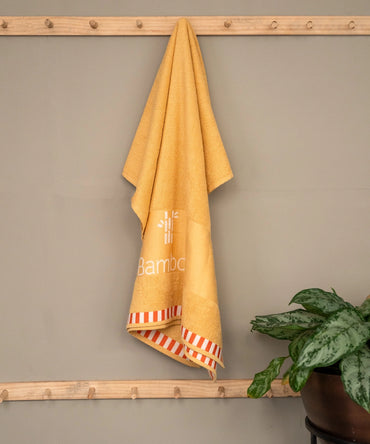
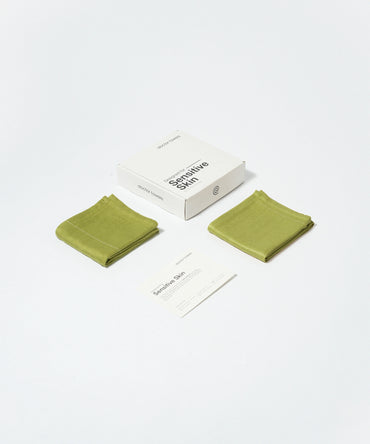
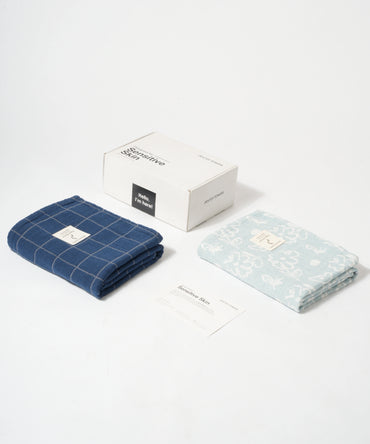
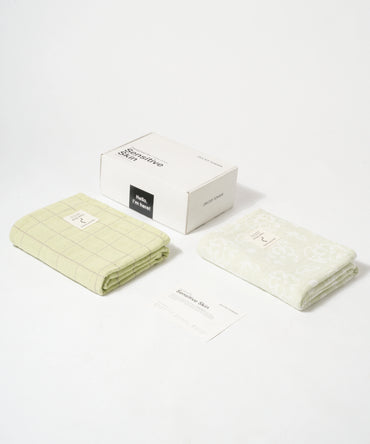
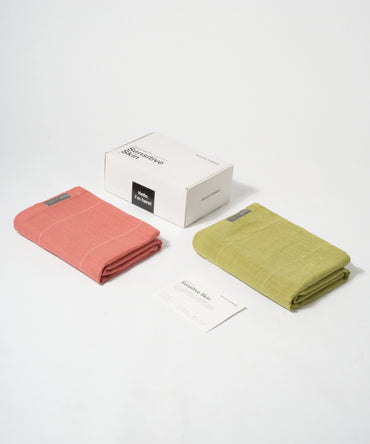
- Doctor Towels addresses the unique challenges of heat
- induced skin sensitivity with products specifically designed for South India's climate and skin needs. Our towels are crafted from high
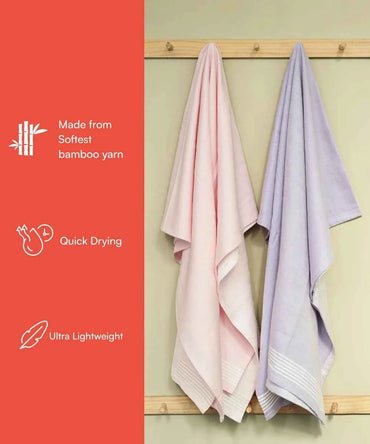
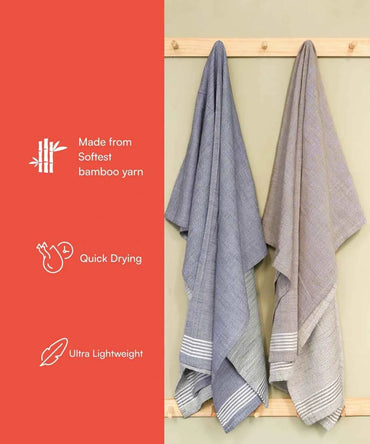
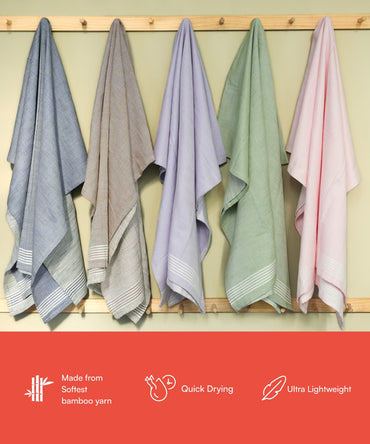
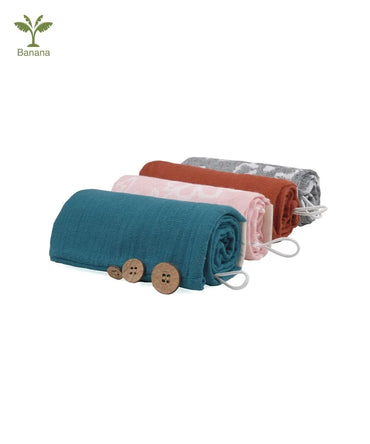
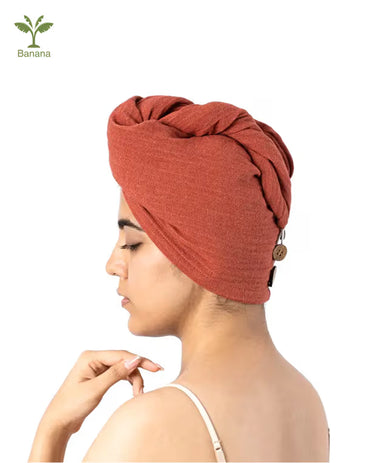
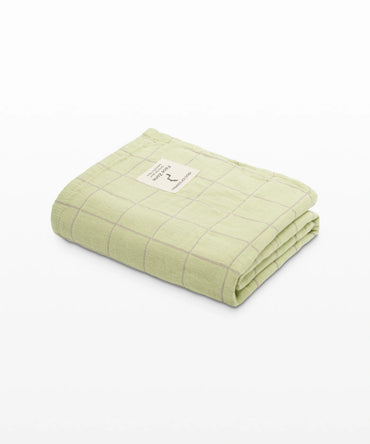
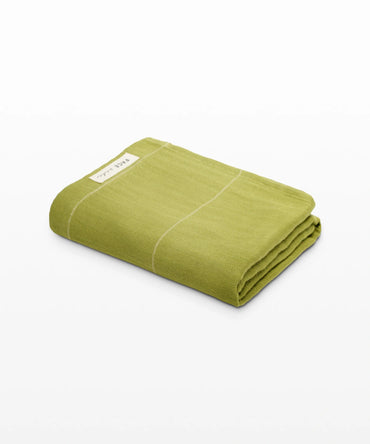
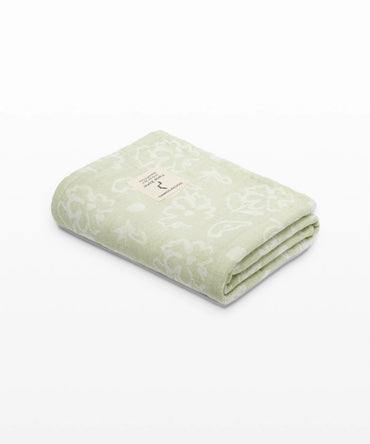
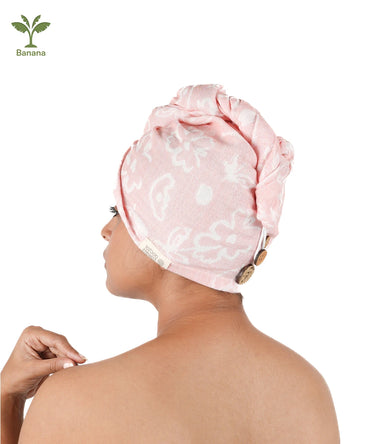
- quality, breathable cotton and bamboo fibers, offering superior moisture absorption, rapid drying, and natural antibacterial properties. The choice of material is crucial: cotton and bamboo are recommended by dermatologists for their softness, breathability, and low risk of irritation compared to synthetic fibers. Doctor Towels also incorporates advanced weaving techniques to ensure gentle exfoliation without damaging the skin barrier, helping to remove sweat, oil, and particulate buildup after exposure to heat.
- In addition to material selection, Doctor Towels prioritizes hygiene and ease of care. Our towels are designed to resist bacterial and fungal growth, a common concern in humid climates. They are quick
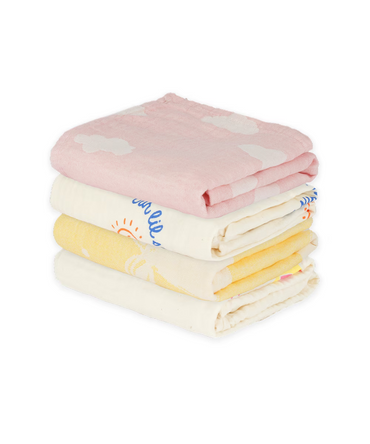
- drying, minimizing the risk of mold and odor, and are easy to launder—critical for daily use in regions with frequent sweating. Doctor Towels’ range includes options for sensitive skin, children, athletes, and those prone to acne or eczema, ensuring comprehensive protection for every family member.
Actionable Tips: Protecting Your Skin from Heat Sensitivity
- Combatting heat
- induced skin sensitivity requires a combination of smart habits, product choices, and proactive care. Here are practical strategies recommended by dermatologists and supported by research:
- Choose breathable, loose
- fitting clothing made from cotton or linen to minimize friction and allow sweat to evaporate naturally.
Shower twice daily during hot, humid months, especially after outdoor activities or workouts, to remove sweat and prevent buildup.
Change clothes, including undergarments, frequently—ideally two to three times a day—to keep skin dry and reduce the risk of rashes and infections.
- Use gentle, dermatologist
- approved cleansers or medicated shampoos for scalp and body, particularly if prone to follicular reactions like Mudichood.
Avoid synthetic fabrics and tight garments, which trap heat and increase irritation.
- Stay hydrated by drinking 8
- 10 glasses of water daily. Electrolyte
- rich drinks like coconut water or fresh lime juice help maintain skin moisture and barrier function.
Opt for towels with natural antibacterial properties and rapid drying, such as those offered by Doctor Towels, to reduce the risk of secondary infections.
If skin sensitivity persists or worsens, consult a dermatologist to rule out underlying conditions or allergies.
Frequently Asked Questions: Addressing Common Concerns
- Is heat rash dangerous? Heat rash is usually benign and self
- limiting, but it can be extremely uncomfortable. In rare cases, secondary bacterial infections may develop if the skin is scratched or left untreated. Timely washing, cooling, and use of breathable fabrics typically resolve symptoms.
- Why are women in South India more prone to heat
- induced skin sensitivity? Hormonal changes during menopause, cultural practices like daily hair oiling, and occupational exposures contribute to higher rates of heat
- induced skin conditions among women. Estrogen deficiency can reduce skin barrier function, making women more susceptible to eczema and dermatitis.
- Do high
- quality towels really make a difference? Absolutely. Towels made from natural, breathable fibers like cotton and bamboo absorb moisture efficiently, minimize friction, and reduce the risk of bacterial or fungal growth. Doctor Towels’ product line is tailored to the needs of sensitive skin in hot, humid climates.
- How can I prevent fungal infections during summer? The key is keeping skin dry and clean. Shower regularly, change clothes often, and use fast
- drying towels. Avoid sharing personal items like towels and undergarments, and choose products with natural antibacterial and antifungal properties.
- Can children get heat
- induced skin sensitivity? Yes, children are especially vulnerable due to underdeveloped sweat ducts and increased outdoor activity. Prickly heat and heat rash are common, so choose soft, breathable clothing and towels, and encourage frequent bathing.
Related Topics and Considerations
- Heat
- induced skin sensitivity touches on broader issues of climate change, urbanization, and public health in South India. Rising temperatures and increased humidity may lead to higher rates of skin disorders, demanding greater awareness and adaptation. Employers, schools, and communities can promote healthier practices by encouraging the use of breathable uniforms, providing shaded outdoor spaces, and educating residents on skin hygiene. Innovations in textile technology, such as Doctor Towels’ antimicrobial weaving and sustainable bamboo blends, offer promising solutions for long
- term skin protection.
- Additionally, individuals with chronic skin conditions like eczema or acne may find their symptoms worsen during heat waves. Integrating skin
- friendly products, maintaining hydration, and seeking medical advice when needed can make a significant difference. The intersection of tradition, climate, and modern science provides fertile ground for ongoing research and innovation in personal care.
- In summary, heat
- induced skin sensitivity is a multifaceted challenge in South India, shaped by environmental, cultural, and biological factors. Through scientific understanding, data
- driven solutions, and accessible daily practices, residents can safeguard their skin and enjoy greater comfort—even during the harshest months. Doctor Towels is committed to supporting this journey with products and expertise designed for the realities of South Indian life.