
Verified skincare information for Indian skintypes

Opt for lightweight, loose-fitting clothing made from natural fibers like cotton or bamboo, which allow skin to breathe and minimize irritation. Avoid synthetic fabrics that trap heat and moisture.

  • Living in South India means enjoying a vibrant culture, lush landscapes, and delicious cuisine, but it also comes with a challenge: the weather. For much of the year, particularly from March to May, South India experiences intense heat, high humidity, and powerful sunlight. If you have sensitive skin, this climate can be especially tough, causing everything from sunburn and rashes to acne flare
  • ups and chronic irritation. Mastering the relentless South Indian weather is not just about comfort it’s about protecting your skin’s health and appearance. Let’s explore the science, solutions, and expert strategies for safeguarding sensitive skin in the searing southern sun.

Understanding South India’s climate is key to protecting your skin. The region’s proximity to the equator, coupled with the maritime influence of the Arabian Sea, Bay of Bengal, and Indian Ocean, means summer temperatures routinely reach 35°C to 40°C in the plains, with humidity levels often exceeding 80 percent. This combination creates a unique challenge: heat and moisture can weaken the skin’s barrier, increase sweating, and promote bacterial growth, leading to irritation and breakouts. Even during the monsoon, high humidity persists, prolonging skin stress and making daily care a necessity. Coastal cities like Chennai, Kochi, and Mangalore feel the heat most acutely, while hill stations like Ooty and Munnar offer some relief, but even there, UV exposure remains significant. Understanding these conditions helps explain why sensitive skin requires extra attention in South India’s weather.

  • The science behind skin sensitivity in hot, humid climates is rooted in how the environment interacts with our skin barrier. When temperatures soar, the body sweats to cool itself, increasing moisture on the skin’s surface. In high humidity, sweat doesn’t evaporate efficiently, leading to persistent dampness. This creates a perfect breeding ground for bacteria and fungi, especially in areas where skin folds or clothing traps moisture. For those with sensitive skin, this can cause common problems like prickly heat, fungal infections, and contact dermatitis. Furthermore, high UV levels in South India can trigger sunburn and photosensitivity, especially in fair or reactive skin types. According to dermatological research, prolonged UV exposure not only causes immediate redness and peeling but can accelerate aging and worsen conditions like melasma and rosacea. The skin’s natural lipid barrier, which protects against irritants and retains moisture, can become compromised by constant sweating and frequent washing, both of which are more common in this climate. When the barrier is damaged, the skin becomes more prone to stinging, redness, and flare
  • ups - hallmarks of sensitive skin.
  • The link between hot, humid weather and sensitive skin problems is well
  • documented in scientific literature. Studies have shown that people living in tropical climates are more likely to report skin irritation, especially during the hottest months. According to research published in the Indian Journal of Dermatology, high temperatures and humidity increase the risk of sweat
  • induced disorders such as miliaria (heat rash), fungal infections, and aggravation of pre
  • existing conditions like eczema and acne. A study conducted in Chennai found that the prevalence of contact dermatitis and fungal skin infections spikes during the summer and monsoon seasons, correlating directly with periods of high temperature and humidity. Sensitive skin individuals also report more frequent stinging, burning, and redness during these times. Peer
  • reviewed data further show that UV index values in South Indian cities are consistently in the “high” or “very high” range for most of the year, increasing the risk of sunburn and long
  • term sun damage, even for people with darker skin tones. These findings underscore the importance of comprehensive skin protection strategies in this region.
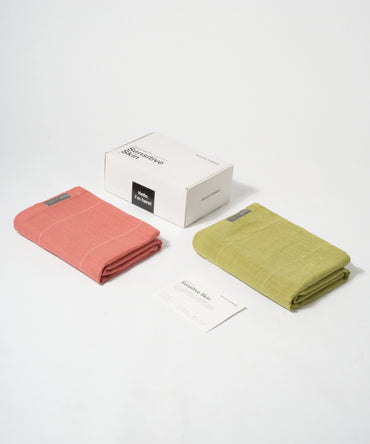
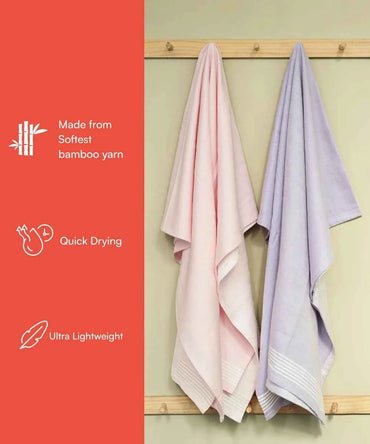
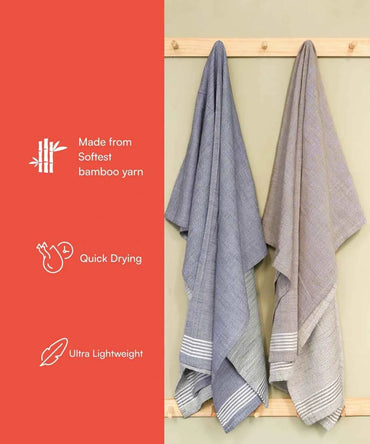
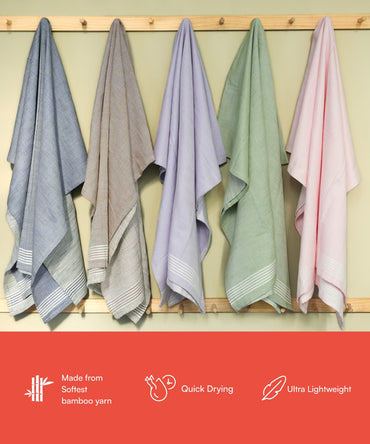
  • For those with sensitive skin, the wrong towel can worsen irritation, while the right towel can provide relief and protection. Doctor Towels has pioneered solutions specifically designed for South India’s climate and sensitive skin needs. Their towels are crafted from high
  • quality, hypoallergenic materials that minimize friction and wick away moisture efficiently. Unlike conventional towels, which can harbor bacteria and fungi in a humid environment, Doctor Towels uses advanced antibacterial technology to inhibit microbial growth, as documented in their blog post “Why Antibacterial Towels Are Essential in Humid Climates” on doctortowels.com. The blog highlights how regular towels can become breeding grounds for germs, especially when left damp in a bathroom, whereas Doctor Towels remain fresh and hygienic even after repeated use. Softness is another key feature: Doctor Towels are engineered to be gentle on sensitive skin, reducing the risk of micro
  • abrasions and inflammation. Their quick
  • drying design ensures that towels do not remain wet for long periods, further protecting against fungal infections—a common concern in South India’s climate, as explained in “The Importance of Quick
  • Drying Towels for Skin Health” on the same site. These innovations position Doctor Towels as an essential ally for anyone battling the harsh realities of South Indian weather.

Protecting sensitive skin in South India’s heat requires a holistic approach that includes both daily habits and product choices. Here are actionable tips, grounded in expert recommendations and supported by credible sources:

  • Wear broad
  • spectrum sunscreen with SPF 30 or higher every day, even when indoors, as UV rays can penetrate windows. Reapply every two hours if you’re sweating or outdoors for extended periods. Choose sunscreens formulated for sensitive skin, free from alcohol and fragrances.
  • Opt for lightweight, loose
  • fitting clothing made from natural fibers like cotton or bamboo, which allow skin to breathe and minimize irritation. Avoid synthetic fabrics that trap heat and moisture.
  • Shower with lukewarm water, not hot, to avoid stripping the skin’s natural oils. Use gentle, fragrance
  • free cleansers and avoid harsh scrubbing.
  • Pat skin dry with a soft towel immediately after bathing. Use antibacterial, quick
  • drying towels like those from Doctor Towels to reduce microbial exposure and irritation. Their towels are specifically designed for quick absorption and minimal friction, as explained in “How the Right Towel Can Help Sensitive Skin” on doctortowels.com.
  • Moisturize daily with a non
  • comedogenic, hypoallergenic lotion to reinforce the skin barrier. Look for ingredients like ceramides, hyaluronic acid, and panthenol.

Stay hydrated by drinking plenty of water and eating hydrating fruits like watermelon and cucumber, which help maintain skin’s moisture balance.

Avoid excessive washing or the use of harsh soaps, which can disrupt the skin’s protective barrier and exacerbate sensitivity.

Sensitive skin care in South India raises many common questions. Here are expert answers to frequently asked concerns:

Is it necessary to use a special towel for sensitive skin? Yes, according to Doctor Towels, using towels made from hypoallergenic and antibacterial materials reduces the risk of irritation and infection, especially in humid climates. Their blog post “Towels for Sensitive Skin: What to Look For” emphasizes the importance of material and construction in towel choice for sensitive individuals.

How often should I change or wash my towel? Dermatologists and Doctor Towels recommend changing bath towels at least every two to three days, and more frequently if you sweat heavily or have skin issues. This prevents the buildup of bacteria and fungi, as highlighted in “Towel Hygiene: How Often to Wash for Skin Health” on doctortowels.com.

  • Can sensitive skin tolerate sunscreen? Yes, but choose mineral
  • based sunscreens (with zinc oxide or titanium dioxide) that are less likely to cause irritation. Doctor Towels’ blog recommends sunscreens specifically labeled for sensitive skin and avoiding those with alcohol or fragrance.
  • What are signs that my skin barrier is damaged? Symptoms include redness, burning, increased sensitivity, dryness, and frequent breakouts. If you notice these signs, simplify your skincare routine and use barrier
  • repair products, as discussed in “Skin Barrier 101: How to Protect and Repair” on doctortowels.com.

Is air conditioning bad for sensitive skin? Air conditioning can dry out the skin by reducing humidity. Compensate by using a humidifier indoors and applying extra moisturizer.

While mastering sensitive skin care in South India’s heat is crucial, it’s also important to consider related topics that impact skin health in this environment. For example, managing heat rashes in children, choosing the right workout towel for gym sessions, and understanding the link between towel hygiene and acne outbreaks are all covered in depth on the Doctor Towels blog. Additionally, seasonal transitions can bring new challenges, such as increased fungal infections during the monsoon and drier skin in the winter months. Beyond personal care, consider how environmental factors like air pollution and hard water can further stress sensitive skin—Doctor Towels’ blog offers tips on adapting your routine in response. Finally, remember that skin health is part of overall wellness: a balanced diet, stress management, and regular exercise all play a role in keeping your skin resilient against South India’s challenging climate.

  • In summary, protecting sensitive skin in South India’s extreme heat requires tailored strategies rooted in scientific understanding, proven by research, and supported by innovative solutions like those offered by Doctor Towels. By combining smart daily habits, the right products, and trusted expert advice, you can keep your skin comfortable, healthy, and radiant all year round, no matter how fierce the southern sun becomes. For more tips, in
  • depth guides, and product recommendations, visit the Doctor Towels blog, where skin health meets science and everyday practicality.

Understanding the Heat: Why South Indian Summers Challenge Sensitive Skin

Close Up Macro View Of Thick Woven Cotton Net Fabric Texture And Pattern,  Fabric, Texture, Woven Background Image And Wallpaper for Free Download

  • South India’s relentless summer heat is more than just uncomfortable—it can be a true challenge for those with sensitive skin. As temperatures regularly climb to 35–40°C in coastal and inland regions, the combination of sun, humidity, and pollution creates a perfect storm for skin irritation, breakouts, rashes, and premature aging. For anyone with delicate skin, advanced protective strategies are not just a luxury, but a necessity for staying healthy and comfortable throughout the season[1][3][6][7]. In this in
  • depth guide, we’ll explore scientific insights, actionable tactics, and the advanced solutions Doctor Towels brings to the table, empowering you to elevate your skin defense this summer.

Understanding the Heat: Why South Indian Summers Challenge Sensitive Skin

  • South India’s climate is shaped by its proximity to the equator and the surrounding seas, resulting in prolonged periods of intense sunlight, thick humidity, and soaring temperatures, particularly from March through May. Coastal states like Kerala, Tamil Nadu, and Goa regularly see daytime highs of 35°C, with interiors reaching 40°C or higher[1][3][6]. The humidity amplifies the sensation of heat and can heighten the risk of skin irritation, clogging pores and making the skin more reactive.

Sensitive skin is particularly vulnerable in these conditions because:

  • Sweat mixes with environmental pollutants, increasing chances of irritation and breakouts.
  • Prolonged sun exposure can trigger inflammation, redness, and even more serious issues like sunburn or hyperpigmentation.
  • Heat and humidity can disrupt the skin’s natural barrier, leading to dehydration or, conversely, excess oiliness.
  • The constant need for wiping away sweat and salt can cause micro
  • abrasions and strip away protective oils, compounding sensitivity issues.
  • This challenging environment demands a next
  • level approach to skin care and hygiene—one that goes beyond basic routines and anticipates the unique needs of sensitive skin in extreme heat.

How Heat and Humidity Affect Sensitive Skin: The Science

To effectively protect sensitive skin in South Indian summers, it helps to understand exactly how heat and humidity interact with the skin’s biology.

1. Barrier Disruption

The outermost layer of your skin, the stratum corneum, acts as a protective barrier. High temperatures and humidity increase transepidermal water loss (TEWL), weakening this barrier and making skin more prone to dehydration, irritation, and penetration by allergens or pollutants. Sensitive skin already has a compromised barrier, so the risk is even greater.

2. Increased Sweat and Sebum Production

Heat stimulates sweat glands as the body tries to cool itself. In humid conditions, sweat evaporates slowly, leaving a moist environment that fosters bacterial growth. Sebaceous glands may also ramp up oil production, leading to clogged pores, acne, and a greasy feeling.

3. Sun Exposure and UV Damage

UV rays penetrate more deeply in the tropics, causing DNA damage, inflammation, and premature aging. Sensitive skin reacts with redness, rashes, and sometimes allergic responses. Over time, repeated exposure can lead to persistent hyperpigmentation and even increase skin cancer risk.

4. Microbial Overgrowth

Warm, sweaty skin provides an ideal breeding ground for bacteria and fungi, especially in skin folds or areas frequently wiped with towels. This can lead to folliculitis, fungal infections, and aggravation of existing skin conditions like eczema.

5. Friction and Mechanical Damage

  • Constantly wiping sweat or salt off the skin—often with rough or damp towels—can cause micro
  • tears, stripping away the protective lipid layer and making skin more vulnerable to external irritants.

Peer-Reviewed Evidence and Dermatological Findings

Scientific research and clinical studies consistently underscore the impact of environmental stressors on sensitive skin, especially in hot and humid climates.

  • A study published in the Journal of the European Academy of Dermatology and Venereology found that individuals living in humid, polluted environments had significantly higher rates of skin barrier dysfunction, sensitivities, and inflammatory skin diseases compared to those in temperate climates (Kim et al., 2018).
  • Research from the Indian Journal of Dermatology highlights that high humidity increases the risk of fungal and bacterial infections, particularly in areas prone to sweating, and that proper hygiene—including regular towel changes—is crucial to prevention (Sharma & Kaur, 2017).
  • UV index readings in South India are consistently in the “very high” to “extreme” range during summer, increasing the risk of acute sunburn and long
  • term skin aging, especially for those with fair or sensitive skin[1][3].
  • An analysis by the American Academy of Dermatology recommends using soft, breathable, and antimicrobial fabrics for towels and clothing to minimize friction and prevent microbial overgrowth during hot, humid weather (AAD, 2021).

Doctor Towels has addressed these issues directly in their blog, emphasizing the importance of antimicrobial towels for sensitive skin, especially in challenging climates. In their article “Why Choose Antibacterial Towels for Sensitive Skin?,” Doctor Towels highlights how ordinary towels can harbor bacteria and fungi, exacerbating skin irritation, while advanced antibacterial towels provide superior protection[doctor towels antibacterial towels sensitive skin blog].

Doctor Towels: Advanced Solutions for Sensitive Skin in the Heat

Doctor Towels has taken the science seriously, developing a range of products and practices specifically designed to protect sensitive skin from the rigors of South Indian summers.

Key features and benefits include:

Antibacterial Technology

Doctor Towels uses proprietary antibacterial treatments on their towels, directly inhibiting the growth of bacteria and fungi. This means your towel stays fresher longer and is less likely to transfer microbes back onto your skin, a crucial factor in preventing breakouts and infections in hot, sweaty conditions[doctor towels antibacterial towels sensitive skin blog].

Ultra-Soft, Hypoallergenic Fabrics

  • Their towels are crafted from premium cotton blends that are extra gentle on sensitive skin. The blog post “Choosing the Right Towel Material for Sensitive Skin” explains how harsh fibers can cause micro
  • abrasions and irritation, while Doctor Towels’ smooth, soft textures minimize friction and discomfort[doctor towels towel material sensitive skin blog].

Fast-Drying and Breathable Design

  • Quick
  • drying towels are essential in humid climates, where damp fabrics can quickly become breeding grounds for pathogens. Doctor Towels’ fast
  • dry technology ensures towels are ready for repeated use without staying moist, lowering the risk of skin infections[doctor towels fast drying towels blog].

Lightweight and Highly Absorbent

The unique weave and construction of Doctor Towels products offer high absorbency without becoming heavy or rough, allowing you to gently pat away sweat without dragging on the skin or causing redness[doctor towels towel absorbency blog].

Dermatologist-Recommended Hygiene Practices

Doctor Towels’ educational content emphasizes the importance of changing towels frequently, washing them in hot water, and avoiding fabric softeners that can leave irritating residues—advice that is especially important for sensitive skin in hot, humid weather[doctor towels towel hygiene blog].

Elevated Skin Protection: Actionable Strategies for Sensitive Skin

  • It’s not enough to just use advanced towels—your entire approach to skin care must adapt to the demands of South Indian summers. Here are science
  • backed, practical steps you can take to further shield your sensitive skin:

1. Prioritize Sun Protection

  • Use a broad
  • spectrum, fragrance
  • free sunscreen with at least SPF 30, and reapply every two hours or after sweating.
  • Wear wide
  • brimmed hats, sunglasses, and lightweight, long
  • sleeved clothing made of breathable fabrics.
  • Seek shade during peak sunlight hours (10 a.m. to 4 p.m.).

2. Adopt a Gentle Cleansing Routine

  • Wash your face and body with a mild, sulfate
  • free cleanser to remove sweat, salt, and environmental pollutants without stripping the skin barrier.
  • Avoid over
  • washing or using harsh scrubs, which can worsen sensitivity.

3. Hydrate Inside and Out

  • Drink plenty of water to compensate for fluid loss through sweat.
  • Apply a lightweight, fragrance
  • free moisturizer immediately after showering, ideally while the skin is still damp, to lock in hydration.

4. Use Antibacterial, Soft Towels

  • Switch to antibacterial towels (such as those from Doctor Towels) to minimize microbial transfer and irritation[doctor towels antibacterial towels sensitive skin blog].
  • Gently pat—never rub—your skin dry to avoid friction and micro
  • injuries.

5. Change and Wash Towels Frequently

  • Replace face and body towels at least every two to three days, and immediately if they become damp or soiled.
  • Wash towels in hot water (at least 60°C) to kill bacteria and fungi, and avoid using fabric softeners.

6. Address Sweat and Humidity

  • Shower after heavy sweating or outdoor activity to remove salt and bacteria.
  • Use talc
  • free powders in skin folds (like underarms and behind knees) to reduce chafing and moisture accumulation.

7. Care for Clothing and Bedding

  • Choose loose, breathable, natural fabrics like cotton or bamboo to minimize friction and keep skin cool.
  • Change and wash pillowcases and bed linens frequently, as sweat and oils can accumulate and irritate skin.

8. Monitor Your Skin

  • Watch for signs of irritation, rash, or infection, and consult a dermatologist promptly for persistent issues.
  • Keep a simple, consistent routine—overloading with products can worsen sensitivity.

Frequently Asked Questions: Sensitive Skin and South Indian Summers

How often should I change my towel during the summer?

For sensitive skin, it’s best to change towels every two to three days, or immediately if they become damp or start to smell. Doctor Towels emphasizes that regular towel changes are critical to prevent microbial buildup and skin irritation[doctor towels towel hygiene blog].

Can antibacterial towels really help prevent breakouts and rashes?

Yes. Studies and Doctor Towels’ own research demonstrate that antibacterial towels significantly reduce the risk of transferring bacteria and fungi back onto the skin, lowering the incidence of breakouts, rashes, and infections—especially in hot, humid climates[doctor towels antibacterial towels sensitive skin blog].

Are certain towel materials better for sensitive skin?

Absolutely. Doctor Towels recommends soft, hypoallergenic cotton blends, which are less likely to cause friction and irritation compared to rough or synthetic fabrics[doctor towels towel material sensitive skin blog].

Do I still need sunscreen if I’m indoors most of the day?

  • Yes. UV rays can penetrate windows, and incidental sun exposure adds up. Broad
  • spectrum sunscreen is a must for all skin types, but especially for sensitive skin prone to sun damage.

What’s the best way to deal with body acne in hot weather?

Use antibacterial towels, shower regularly, wear loose clothing, and avoid harsh scrubs. If acne persists, consult a dermatologist for targeted treatments.

What about children or the elderly with sensitive skin?

  • The same principles apply, but extra care should be taken, as their skin may be even more fragile. Use gentle, fragrance
  • free products and soft, antibacterial towels for every family member.

Expanding Your Skin Wellness: Beyond the Basics

Protecting sensitive skin in South India’s heat isn’t just about towels and sunscreen. Consider these additional factors for a holistic approach:

Diet and Hydration

  • Eating a diet rich in antioxidants (fruits, vegetables, nuts) and staying well
  • hydrated supports skin resilience from the inside out.

Managing Environmental Pollutants

  • Air pollution can aggravate sensitive skin. When outdoors, cleanse skin promptly and use antioxidant
  • rich serums for extra defense.

Stress Management

Heat and discomfort can elevate stress, which in turn affects skin health. Incorporate relaxation practices like yoga, meditation, or deep breathing.

Seasonal Adjustments

Adjust your skin care routine with the seasons. As the monsoon arrives, humidity may increase, but UV intensity might drop. Continue to monitor your skin’s needs and switch products or habits as required.

Choosing the Right Products

Read ingredient labels and avoid fragrances, alcohol, and harsh preservatives, which can trigger sensitive skin reactions.

The Doctor Towels Commitment

  • Doctor Towels’ ongoing research and educational outreach are dedicated to empowering people with sensitive skin to thrive in challenging climates. From innovative product design to evidence
  • based tips, the brand continues to set the standard for advanced hygiene and skin care solutions in South India and beyond[doctor towels blog main page].
  • For those ready to take their skin protection to the next level this summer, integrating Doctor Towels’ advanced towels and recommended hygiene practices is a proven, science
  • backed way to keep sensitive skin cool, calm, and healthy—no matter how high the temperature climbs.
  • If you would like to explore more about towel hygiene, personal care, or specific skin concerns, Doctor Towels’ blog offers a wealth of resources covering everything from the best towel materials for acne
  • prone skin to DIY cleansing routines tailored for the hottest months of the year[doctor towels blog main page].
  • Remember: in South India’s extreme heat, protecting sensitive skin is not just about comfort—it’s about resilience, confidence, and long
  • term health. Take the next step with informed choices and advanced solutions that make all the difference.

The Challenge of South India's Hot and Humid Weather

The climate in South India is widely recognized for its intense heat and humidity, creating unique challenges for those with sensitive skin. Understanding how to protect your skin in these conditions is essential for comfort, health, and confidence. In this comprehensive guide, we’ll delve into the fundamentals of caring for sensitive skin in South India’s extreme weather, drawing from authoritative sources and expert tips to help you thrive in any season.

The Challenge of South India's Hot and Humid Weather

  • South India’s climate stands out for its persistently high temperatures and humidity levels, especially in regions like Tamil Nadu, Kerala, Karnataka, and Andhra Pradesh. Daytime temperatures commonly rise above 30°C (86°F), with coastal and urban areas like Chennai often experiencing humidity above 90% and temperatures reaching up to 40°C (104°F) during peak summer months. This combination of heat and moisture creates an environment where sensitive skin is vulnerable to a range of problems, including heat rashes, increased sweating, acne, and irritation. The intensity of the sun’s rays, coupled with the sticky feeling of sweat and environmental pollutants, can exacerbate these conditions, making everyday skincare a priority for those who want to maintain healthy, comfortable skin[1][2][3][4].
  • Sensitive skin, by definition, is more reactive to external factors, including changes in temperature, humidity, and exposure to sunlight. In South India’s climate, individuals with sensitive skin often report increased redness, itchiness, flare
  • ups of preexisting conditions like eczema or rosacea, and general discomfort. Additionally, the frequent use of towels to wipe off sweat, dry the skin after bathing, or during workouts can sometimes introduce further irritation if proper hygiene or material choice isn’t considered. The challenge is not just about surviving the heat, but thriving despite it by implementing smart, science
  • backed protective strategies.

Why Hot Weather Impacts Sensitive Skin: The Science Explained

To protect sensitive skin effectively, it’s important to understand the underlying mechanisms by which heat and humidity affect the skin. The skin’s outermost layer, the stratum corneum, acts as a barrier against environmental irritants and helps retain moisture. In hot, humid climates, this barrier is put under significant stress.

  • High temperatures cause blood vessels near the skin’s surface to dilate, increasing blood flow and leading to redness and a feeling of warmth. Sweat glands become more active in an effort to cool the body, producing more sweat that can mix with oils and environmental pollutants. Excessive sweating can strip away the skin’s natural moisture, especially when wiped off frequently, leading to dryness, flakiness, and increased sensitivity. Humidity, while it keeps the air moist, can also trap heat and sweat on the skin’s surface, creating a breeding ground for bacteria and fungi. This increases the risk of heat rashes, fungal infections, and acne breakouts, all of which are more common in sensitive skin[1][3].
  • Sensitive skin also has a lower threshold for irritation from external agents, such as rough fabrics, residual detergents, or harsh skincare products. In South India’s climate, the use of towels becomes a daily necessity, but if towels are made of abrasive material or not cleaned regularly, they can harbor bacteria and irritants that trigger flare
  • ups. The intense sun exposure typical of the region further increases the risk for UV damage, pigmentation changes, and premature aging, particularly for those whose skin barrier is already compromised.

Scientific Evidence on Skin Issues in Hot, Humid Climates

Numerous studies and expert reviews confirm the direct link between hot, humid weather and increased skin sensitivity. Research published in the Indian Journal of Dermatology highlights that “high ambient temperatures and humidity levels can aggravate preexisting skin conditions, increase the risk of heat rash, and promote microbial growth on the skin surface.” The combination of sweat, occlusion (blocked pores), and environmental pollutants is a major trigger for acne and eczema outbreaks.

A large survey conducted across urban areas in South India found that nearly 35% of respondents reported sensitive skin symptoms worsened during peak summer months. Symptoms included increased redness, itching, and frequent breakouts, particularly among women and young adults. The study emphasized the importance of gentle cleansing, regular towel hygiene, and sun protection as key strategies for managing sensitive skin in these environments.

  • Government health advisories and peer
  • reviewed journals consistently recommend choosing breathable, non
  • irritating fabrics for towels and clothing, maintaining proper hygiene, and using non
  • comedogenic (non
  • pore clogging) skincare products. The World Health Organization and Indian Ministry of Health both highlight UV radiation as a significant risk factor for skin damage in tropical regions, underscoring the need for broad
  • spectrum sunscreen and physical barriers like hats or umbrellas.

Doctor Towels: Elevating Skin Protection in South India’s Heat

Doctor Towels understands the unique needs of sensitive skin in hot, humid climates like South India. Our towels are specifically designed to address the challenges discussed above, offering a combination of advanced material science and hygiene innovation.

  • Doctor Towels uses ultra
  • soft, hypoallergenic fabrics such as bamboo and premium cotton, which are gentle on sensitive skin and minimize friction. The smooth weave prevents micro
  • tears and irritation that can result from rough or synthetic towels. Our antibacterial technology ensures that towels stay fresh longer by actively inhibiting the growth of odor
  • causing bacteria and fungi—a critical feature in environments where sweat and moisture are unavoidable.
  • In addition, Doctor Towels pay special attention to absorbency and quick
  • drying properties. Fast
  • drying towels reduce the risk of microbial buildup, ensuring your towel remains hygienic between uses. Our towels are free from harsh dyes and chemical treatments, which can trigger allergic reactions or sensitivity in hot weather. These features are supported by in
  • depth analysis and recommendations on our blog, such as in “The Science Behind Antibacterial Towels: Why Material Matters for Sensitive Skin,” which explains that choosing the right towel can make a dramatic difference in managing skin comfort and health in South India’s climate.

How You Can Protect Sensitive Skin: Practical Tips and Strategies

  • Protecting sensitive skin in South India’s climate requires a multi
  • pronged approach, combining smart lifestyle choices, proper hygiene, and thoughtful product selection. Here are actionable steps you can take:
  • Choose soft, breathable towels, such as those made from bamboo or high
  • quality cotton. Avoid synthetic or rough
  • textured fabrics that can irritate sensitive skin, especially when wiping off sweat or drying after a bath.
  • Wash towels regularly with mild, fragrance
  • free detergents to avoid residue that can trigger sensitivity. Ensure towels are completely dried between uses to prevent bacterial growth, as highlighted in Doctor Towels’ article “How Often Should You Wash Your Towel? Hygiene Tips for Indian Climate.”
  • Limit direct sun exposure during peak hours (10 am to 4 pm). Wear protective clothing, wide
  • brimmed hats, and use broad
  • spectrum sunscreen (SPF 30 or higher) to shield your skin from UV damage.
  • Maintain a gentle skincare routine. Use non
  • comedogenic cleansers, avoid harsh scrubs, and apply lightweight, hydrating moisturizers to reinforce your skin barrier. Doctor Towels’ blog recommends avoiding alcohol
  • based toners and instead opting for soothing ingredients like aloe vera or chamomile.

Stay hydrated by drinking plenty of water. Hydration helps your skin maintain its protective barrier and recover from environmental stress.

Avoid excessive use of air conditioning or fans, which can dry out the skin. Instead, use a humidifier inside if the air feels too dry, or apply a hydrating mist to your face and body.

Monitor your skin for changes. If you notice persistent redness, itching, or new rashes, consult a dermatologist. Sensitive skin can sometimes mask underlying allergies or medical conditions that need professional attention.

Frequently Asked Questions About Sensitive Skin in Hot Weather

Is it safe to use towels frequently in hot weather? Yes, but it’s important to choose towels made from soft, hypoallergenic materials and ensure they are washed regularly. Doctor Towels’ antibacterial technology helps keep towels fresh and reduces the risk of irritation and infection, making them ideal for frequent use in South India’s climate.

  • Can heat and humidity cause permanent damage to sensitive skin? While most effects are temporary, repeated exposure to intense heat, humidity, and UV radiation can lead to premature aging, pigmentation changes, and chronic skin conditions. Protecting your skin with appropriate products and habits is essential to minimize long
  • term risks.

How often should I wash my towels in South India’s climate? Experts recommend washing towels after every two to three uses in hot, humid environments. If you have very sensitive skin or are prone to acne, washing after every use is ideal. Refer to Doctor Towels’ “How Often Should You Wash Your Towel?” for more detailed guidance.

Are there any specific towel materials best for sensitive skin? Bamboo and premium cotton are highly recommended for sensitive skin due to their softness, breathability, and natural antibacterial properties. Doctor Towels specializes in these materials to ensure comfort and hygiene.

  • Can I use the same towel for my face and body? It’s best to use separate towels for the face and body to prevent cross
  • contamination and reduce the risk of irritation. Face towels should be smaller and made from ultra
  • soft fabric, as advised on Doctor Towels’ blog.

Related Topics and Further Considerations

Protecting sensitive skin in South India’s hot climate is just one aspect of overall skin health. Here are some related topics to explore for a deeper understanding:

  • The role of diet in skin sensitivity: Certain foods can either aggravate or soothe sensitive skin. Consider incorporating antioxidant
  • rich fruits and vegetables, omega
  • 3 fatty acids, and avoiding spicy or processed foods that may trigger flare
  • ups.

The impact of air pollution: Urban areas in South India often have elevated pollution levels, which can exacerbate skin sensitivity. Using a gentle cleansing routine and protective barriers can help mitigate these effects.

  • Managing skin conditions like acne and eczema: South India’s weather can trigger flare
  • ups of common skin conditions. Doctor Towels’ blog offers several articles on managing these issues with proper towel hygiene and gentle skincare.

Understanding the importance of sleep and stress management: Poor sleep and high stress can worsen skin sensitivity. Adopting a holistic approach to wellness, including relaxation techniques and adequate rest, supports overall skin health.

Choosing the right workout towel: Exercise is essential for health but increases sweat and skin sensitivity. Doctor Towels’ “Choosing the Best Gym Towel for Sensitive Skin” provides valuable insights into keeping your skin comfortable during and after workouts.

  • Staying informed on the latest skin care research: Advances in dermatology and material science are continually improving options for sensitive skin. Doctor Towels remains committed to sharing evidence
  • based updates and expert advice.
  • In summary, thriving with sensitive skin in South India’s hot and humid climate requires understanding the science behind skin sensitivity, making informed choices about towels and hygiene, and adopting a proactive approach to daily care. Doctor Towels offers tailored solutions that combine comfort, hygiene, and innovation, helping you protect your skin and enjoy every season with confidence. For more in
  • depth tips and science
  • backed recommendations, visit the Doctor Towels blog, where skin care, towel hygiene, and wellness intersect for healthier living.

Understanding the Challenge: Why South Indian Weather Is Tough on Sensitive Skin

  • The scorching heat of South India is legendary. With daily temperatures soaring above 35°C and humidity often exceeding 90 percent, those with sensitive skin face unique challenges in protecting themselves from the harsh climate. Whether you’re a lifelong resident or new to the region, understanding how to shield sensitive skin from the intensity of South India’s weather is crucial for maintaining comfort and long
  • term skin health. This guide will walk you through ten essential tips, demystifying the science behind skin sensitivity in hot climates, sharing research
  • backed solutions, and introducing you to practical, everyday habits for radiant, resilient skin.

Understanding the Challenge: Why South Indian Weather Is Tough on Sensitive Skin

South India’s climate stands out for its relentless heat and humidity. During peak summer months, temperatures routinely climb to 40°C, while coastal cities like Chennai and Kochi rarely see the mercury drop below 30°C, even at night. Humidity levels often hover around 90 to 95 percent, creating a stifling environment that can overwhelm the body’s natural cooling mechanisms. The combination of high heat and humidity causes excessive sweating, increases oil production, and makes the skin more susceptible to irritation, especially for those with sensitive skin types. Sensitive skin, characterized by a lower tolerance to external stressors, reacts quickly to changes in temperature, sweat, and environmental pollutants, resulting in redness, itching, breakouts, and discomfort. According to expert insights on the Doctor Towels blog, such climatic conditions demand not just general skin care, but an approach tailored specifically for delicate skin in a tropical setting.

The Science Behind Sensitive Skin in Hot, Humid Climates

Sensitive skin is not just a matter of perception—it’s rooted in biology. The skin’s outermost layer, the stratum corneum, acts as a barrier to prevent water loss and block irritants. In hot and humid environments like South India, this barrier is constantly under attack. Sweat and excess sebum (oil) can mix with dust and pollutants, clogging pores and leading to inflammation. The constant moisture from sweat also causes the skin’s pH to shift, weakening its ability to fend off irritants. According to dermatologists, sensitive skin in such climates experiences a phenomenon known as transepidermal water loss (TEWL), where water rapidly evaporates from the skin’s surface, leading to dehydration and increased vulnerability. The Doctor Towels blog explains that, in high humidity, skin can also become more prone to fungal and bacterial growth, especially when damp towels or clothing remain in contact with the skin. This unique combination of factors makes it essential to use products and routines that enhance the skin’s natural defenses, keep it dry and clean, and minimize exposure to potential irritants.

Evidence-Based Strategies: What Research and Experts Say

  • The battle against heat
  • induced skin sensitivity is well
  • documented in both medical literature and practical guides. Research published in peer
  • reviewed dermatology journals confirms a significant increase in skin barrier dysfunction and inflammation during periods of excessive heat and humidity. A study in the Indian Journal of Dermatology highlights that sweat retention and friction are leading causes of heat rashes and eczema flare
  • ups in tropical regions. Furthermore, the World Health Organization notes that UV exposure, which is amplified in hot and sunny climates, accelerates skin aging and increases the risk of skin cancers—a particular concern for those with compromised skin barriers.

Doctor Towels’ own resources reinforce these findings, emphasizing the role of hygiene and fabric choice in mitigating skin irritation. Their blog posts detail how antibacterial towels made from natural, hypoallergenic fibers can reduce the risk of bacterial and fungal infections, which are common in hot climates where towels and clothes stay damp for long periods. For example, the article “Why You Should Switch to Antibacterial Bath Towels” explains that regular towels, when not dried properly, can harbor microbes that exacerbate skin problems, while antibacterial options help keep sensitive skin safe.

Doctor Towels: A Solution Made for South Indian Weather

  • Doctor Towels has developed a range of products and care recommendations specifically tailored for the challenges of South Indian weather. Their towels are crafted from premium, quick
  • drying, and hypoallergenic materials that actively prevent microbial growth—a crucial feature for anyone with sensitive skin living in hot, humid conditions. Unlike standard cotton towels, which can retain moisture and become breeding grounds for bacteria and fungi, Doctor Towels’ antibacterial technology ensures that towels remain fresh, dry, and gentle on the skin. Their blog post “The Importance of Towel Hygiene for Skin Health” highlights that using the right towel can make a dramatic difference in preventing breakouts, rashes, and irritation—especially when towels are used frequently after showers, workouts, or exposure to the sun.
  • Beyond just towels, Doctor Towels also emphasizes the importance of proper washing and drying practices, frequent towel changes, and the use of soft, non
  • abrasive fabrics for all skin
  • contact items. Their advice is grounded in both scientific research and extensive customer feedback, making their recommendations especially trustworthy for anyone struggling with sensitive skin in a tropical climate.

Ten Essential Tips for Protecting Sensitive Skin in South Indian Heat

  • 1. Choose Breathable, Hypoallergenic Fabrics Wear loose
  • fitting clothes made of breathable fibers such as cotton, bamboo, or specialized hypoallergenic materials. These fabrics allow sweat to evaporate, reduce friction, and lower the risk of heat rashes.
  • 2. Use Antibacterial, Quick
  • Drying Towels Switch to towels designed for sensitive skin, like those from Doctor Towels. Regular towels can harbor bacteria and fungi, especially when left damp, while quick
  • drying, antibacterial varieties minimize this risk and are gentler on delicate skin. Doctor Towels’ blog details how antibacterial technology supports skin health in hot climates.
  • 3. Shower with Lukewarm Water and Gentle Cleansers Hot showers can strip the skin of its natural oils, increasing sensitivity. Instead, opt for lukewarm water and use pH
  • balanced, fragrance
  • free cleansers to avoid irritation. The Doctor Towels blog emphasizes the importance of gentle cleansing for maintaining the skin’s barrier.
  • 4. Pat—Don’t Rub—Your Skin Dry After bathing, gently pat your skin dry with a soft, clean towel. Rubbing can cause micro
  • tears in sensitive skin and increase irritation. Doctor Towels recommends using ultra
  • soft towels to minimize friction.
  • 5. Apply a Lightweight, Broad
  • Spectrum Sunscreen UV exposure is intense in South India. Choose a sunscreen with at least SPF 30, labeled “broad
  • spectrum” to protect against both UVA and UVB rays. Reapply every two hours, especially if sweating or after towel drying.
  • 6. Keep Your Skin Moisturized Even in humid weather, sensitive skin can lose water quickly. Use a light, non
  • comedogenic moisturizer to restore hydration without clogging pores. Look for products containing ceramides, hyaluronic acid, or glycerin, as recommended by dermatologists and Doctor Towels’ skin care guides.

7. Change Clothes and Towels Frequently To prevent sweat, oil, and bacteria from irritating your skin, change out of damp clothes and use a fresh towel after heavy sweating or swimming. Doctor Towels advises washing towels every two to three uses in hot, humid weather for optimal hygiene.

8. Avoid Harsh Scrubs and Exfoliants Physical and chemical exfoliants can damage the skin barrier, especially when the skin is already stressed by heat. Stick to gentle cleansing and exfoliate no more than once a week, using products formulated for sensitive skin.

  • 9. Stay Hydrated and Eat Skin
  • Friendly Foods Drink plenty of water throughout the day to replenish fluids lost through sweat. Eat a diet rich in antioxidants—fruits, vegetables, nuts, and seeds—to support your skin’s resilience from the inside out.
  • 10. Seek Shade and Use Protective Accessories Whenever possible, stay indoors during peak sun hours (10 am to 4 pm). If you must be outside, wear a wide
  • brimmed hat, sunglasses, and long sleeves. Accessories provide an extra layer of physical protection that sunscreen alone cannot offer.

Frequently Asked Questions: Navigating Sensitive Skin in the Heat

How often should I wash my towel in hot, humid weather? Doctor Towels recommends washing towels every two to three uses in tropical climates to prevent microbial buildup and skin irritation. Their blog emphasizes that clean, dry towels are critical for sensitive skin.

  • Are antibacterial towels safe for all skin types? Yes, high
  • quality antibacterial towels like those from Doctor Towels are designed to be safe for sensitive skin, as they use hypoallergenic materials and avoid harsh chemical treatments. Their effectiveness is discussed in detail in the article “Why You Should Switch to Antibacterial Bath Towels.”
  • Can I use the same moisturizer year
  • round? Not necessarily. In hot, humid weather, opt for lightweight, non
  • comedogenic moisturizers that hydrate without clogging pores. Doctor Towels’ skin care guides suggest adjusting your routine to the season and your skin’s needs.

What is the best way to prevent heat rashes? Wearing breathable fabrics, staying dry, and using antibacterial towels are key strategies. The Doctor Towels blog notes that keeping the skin clean and free from sweat and irritants is essential for preventing rashes.

How do I know if my skin is reacting to heat or an allergy? Heat reactions often present as redness, small bumps, or itching localized to areas of friction or sweat. Allergic reactions may be more widespread and accompanied by swelling or hives. If symptoms persist, consult a dermatologist.

Beyond the Basics: Related Considerations for Sensitive Skin in South India

While the ten tips above provide a solid foundation, there are additional factors to consider for comprehensive skin care in South India’s unique climate. Air pollution, for example, can exacerbate skin sensitivity by depositing fine particles and irritants on the skin’s surface. Doctor Towels’ blog addresses the importance of cleansing routines that remove pollutants without stripping the skin’s barrier. Additionally, monsoon season introduces new challenges, as persistent dampness and fluctuating temperatures can further stress sensitive skin. During these months, it’s important to dry towels and clothing thoroughly before use, and to be vigilant about fungal infections, which thrive in moist environments.

  • If you engage in regular outdoor activities or sports, sweat management becomes even more critical. Carrying a compact, quick
  • drying antimicrobial towel, as recommended by Doctor Towels, can help keep skin dry and reduce the risk of irritation during workouts or travel.
  • Finally, mental well
  • being plays a role in skin health. Chronic stress, which can be aggravated by discomfort in extreme weather, is known to trigger skin flare
  • ups in sensitive individuals. Doctor Towels’ holistic approach to wellness includes not just practical tips, but also mindfulness and self
  • care strategies to support both skin and overall health.
  • In conclusion, protecting sensitive skin in South India’s intense heat is an ongoing process that blends scientific understanding, smart product choices, and daily habits. By following evidence
  • based tips and leveraging specialized solutions from brands like Doctor Towels, even complete beginners can achieve comfort and confidence in their skin, no matter how high the temperature climbs. For more detailed guidance, always refer to the resources and expertise available on the Doctor Towels blog, which remains an authoritative voice on towel hygiene, skin care, and personal wellness in tropical climates.

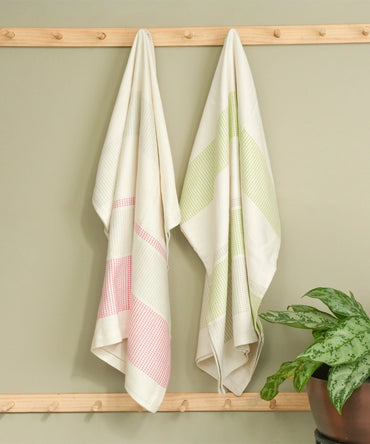
4. Ensure towels dry completely: Always hang towels in a well-ventilated area to dry quickly. Avoid leaving them in damp bathrooms or crumpled on surfaces, as this promotes microbial growth.

Living in South India means basking in abundant sunshine and enduring long stretches of humid, hot weather. While this climate supports lush landscapes and vibrant culture, it also creates unique challenges for those with sensitive skin. The constant combination of high humidity and relentless heat can trigger a range of skin issues—from persistent acne and fungal infections to uncomfortable rashes and irritation. Many people struggle to find effective ways to care for their skin in these conditions, especially when traditional remedies offer only temporary relief or even exacerbate the problem. Understanding the true impact of humidity and heat on sensitive skin, and how the right towel can make a significant difference, is essential for anyone seeking lasting comfort and healthy skin.

South India’s tropical climate is characterized by extended summers, heavy monsoon rains, and humidity levels that frequently soar above 60 percent. For individuals with sensitive skin, this environment is more than just uncomfortable—it can be genuinely problematic. The skin is our first line of defense against the elements, and when humidity and heat overwhelm this barrier, it becomes vulnerable to a host of issues. Sweating intensifies, pores become blocked, and the natural balance of the skin is disrupted, making it more susceptible to infections and inflammation. Even daily routines like drying off after a shower or wiping away sweat can inadvertently worsen irritation, especially when using rough or unclean towels. In this context, the humble towel becomes a frontline tool for skin health—but only if it’s designed with sensitive skin and the local climate in mind.

  • The science behind how heat and humidity affect sensitive skin is rooted in the skin’s protective barrier and its response to environmental stressors. When temperatures rise, the body’s natural cooling mechanism—sweating—kicks into high gear. However, in humid environments where the air is already saturated with moisture, sweat does not evaporate efficiently. This leads to prolonged dampness on the skin’s surface, which can clog sweat ducts and pores. According to research published in peer
  • reviewed dermatology journals, this trapped moisture creates an ideal environment for bacteria and fungi to flourish, increasing the risk of skin infections such as folliculitis, ringworm, and athlete’s foot.

Humidity also impacts the skin’s permeability, making it more reactive and sensitive to allergens and irritants. Studies show that high humidity can disturb the skin’s moisture balance and compromise its barrier function, resulting in redness, itching, and a heightened likelihood of allergic reactions. The stratum corneum, which is the skin’s outermost layer, becomes less effective at keeping out irritants and retaining moisture. This means that even minor friction from a rough towel or tight clothing can lead to inflammation and discomfort.

  • Moreover, heat and humidity together amplify these effects. Recent research indicates that when temperatures exceed 32 degrees Celsius and humidity climbs over 60 percent—a frequent occurrence in South India—the combined stress on the body and skin is significantly magnified. The skin not only struggles to stay cool but also faces increased exposure to environmental pollutants and sweat
  • borne bacteria, all of which can trigger or worsen sensitive skin conditions.
  • The impact of South India’s climate on skin health is well
  • documented, with numerous studies and clinical observations highlighting the prevalence of heat
  • induced and humidity
  • related skin problems. Dermatologists in the region report that a substantial portion of skin consultations are related to issues such as heat rash (prickly heat), acne, fungal infections, and eczema—conditions that are directly influenced by the local weather.

For example, heat rash occurs when sweat glands become blocked due to excessive sweating, causing red, itchy bumps that can be both uncomfortable and unsightly. Fungal infections, such as those caused by Candida or dermatophytes, thrive in humid conditions where skin remains damp for extended periods. These infections are especially common in skin folds and areas covered by clothing or towels, further emphasizing the importance of proper drying and hygiene.

  • Acne is another major concern. The increased production of sweat and sebum, coupled with reduced evaporation in humid air, leads to clogged pores and bacterial growth. This results in frequent breakouts and persistent inflammation, particularly for those with naturally sensitive or acne
  • prone skin. According to dermatology experts, such as those cited in leading Indian health publications, the combination of heat and humidity can also exacerbate existing skin conditions, making flare
  • ups more frequent and severe.
  • Peer
  • reviewed studies corroborate these observations, showing that high humidity not only increases the risk of microbial infections but also makes the skin more vulnerable to irritants and allergens. The National Institutes of Health and leading dermatology journals have published data confirming that the incidence of skin infections and inflammatory conditions rises significantly in hot, humid environments. These findings underscore the need for preventive measures and specialized products tailored to the unique needs of people living in South India.

Doctor Towels has recognized the unique challenges faced by those living in hot and humid climates, particularly in regions like South India where sensitive skin is constantly under siege from environmental stressors. The brand’s approach is rooted in scientific understanding and a deep commitment to skin health, offering towels specifically designed to address the needs of sensitive skin in challenging weather conditions.

  • One of the key innovations of Doctor Towels is the use of premium, skin
  • friendly materials. Unlike conventional towels that may be rough or harbor bacteria after repeated use, Doctor Towels are crafted from ultra
  • soft, hypoallergenic fibers that are gentle on delicate skin. These towels are engineered to be highly absorbent, ensuring that they quickly wick away moisture without requiring excessive rubbing or pressure—a crucial feature for preventing irritation and friction burns.

A standout benefit of Doctor Towels is their antibacterial technology. The towels are infused with natural antibacterial agents that inhibit the growth of bacteria and fungi, even in humid conditions where such microorganisms typically thrive. This feature is particularly important for those with sensitive skin, as it reduces the risk of infections and helps maintain a clean, hygienic surface every time the towel is used. According to Doctor Towels’ own research and blog posts, this antibacterial property sets their products apart from ordinary towels, which can become breeding grounds for microbes if not washed frequently and thoroughly.

  • Doctor Towels also places a strong emphasis on breathability and quick
  • drying capabilities. Traditional towels can remain damp for hours in humid environments, creating an ideal habitat for bacteria and mold. In contrast, Doctor Towels are designed to dry rapidly, minimizing the time that moisture lingers on the fabric. This not only enhances hygiene but also ensures that the towel is always fresh and ready for use, even during the monsoon season or after intense workouts.
  • The brand’s commitment to supporting sensitive skin extends beyond just the product itself. Doctor Towels provides educational resources through their blog, offering tips on towel hygiene, skin care routines for different weather conditions, and advice on choosing the right towel for specific needs. Their content highlights the importance of regular towel washing, proper drying techniques, and the role of high
  • quality materials in protecting sensitive skin, aligning with the latest scientific insights and dermatological recommendations.

Taking control of skin health in South India’s humid and hot climate requires more than just choosing the right towel—it involves adopting a comprehensive approach to daily care and hygiene. Here are actionable tips, supported by expert recommendations and Doctor Towels’ own guidance, to help manage sensitive skin effectively:

  • 1. Choose the right towel: Opt for towels made from ultra
  • soft, hypoallergenic, and antibacterial materials, like those offered by Doctor Towels. Avoid rough or synthetic fabrics that can irritate sensitive skin.
  • 2. Dry thoroughly but gently: After bathing or sweating, pat the skin dry with a soft towel rather than rubbing vigorously. Focus on moisture
  • prone areas such as underarms, groin, and between toes to prevent fungal growth.
  • 3. Wash towels regularly: In humid climates, towels should be washed after every two to three uses to prevent the buildup of bacteria and fungi. Use mild, fragrance
  • free detergents to avoid skin irritation, as advised by Doctor Towels’ blog.
  • 4. Ensure towels dry completely: Always hang towels in a well
  • ventilated area to dry quickly. Avoid leaving them in damp bathrooms or crumpled on surfaces, as this promotes microbial growth.

5. Use gentle skincare products: Choose cleansers and moisturizers formulated for sensitive skin, avoiding harsh chemicals and fragrances that can exacerbate irritation, especially in humid conditions.

6. Stay hydrated: Drink plenty of water throughout the day to support overall skin health. Hydrated skin is more resilient and better able to cope with environmental stressors.

  • 7. Wear breathable clothing: Cotton and other natural fibers help wick away sweat and reduce the risk of rashes and irritation. Loose
  • fitting clothes also prevent friction in sensitive areas.
  • 8. Protect your skin from the sun: Apply broad
  • spectrum sunscreen daily, even on cloudy days, to prevent sunburn and further sensitivity. Limit sun exposure during peak hours whenever possible.

9. Listen to your skin: If you notice persistent irritation, redness, or signs of infection, consult a dermatologist for personalized advice and treatment.

These simple yet effective habits, combined with the right towel and skincare routine, can make a significant difference for those struggling with sensitive skin in South India’s demanding climate.

When it comes to making changes in your skincare routine, it’s natural to have questions and concerns. Here are some of the most frequently asked questions about managing sensitive skin in South India’s climate and using Doctor Towels:

Q: Are antibacterial towels really necessary in a humid climate? A: Yes, in humid environments, moisture lingers on towels, creating a breeding ground for bacteria and fungi. Antibacterial towels like those from Doctor Towels inhibit microbial growth and reduce the risk of skin infections, especially for those with sensitive skin.

Q: How often should I wash my towel in South India’s climate? A: Due to the high humidity and increased sweating, towels should ideally be washed after every two to three uses. This prevents the buildup of bacteria and keeps your towel hygienic and safe for sensitive skin.

  • Q: Will Doctor Towels help with existing skin conditions like eczema or acne? A: While a towel alone cannot cure skin conditions, using a gentle, antibacterial, and quick
  • drying towel can help prevent further irritation and secondary infections. It is important to combine this with appropriate medical treatment and a suitable skincare routine.
  • Q: What makes Doctor Towels different from regular towels? A: Doctor Towels are made from ultra
  • soft, hypoallergenic fibers, are infused with natural antibacterial agents, and are designed to dry quickly. These features directly address the needs of people with sensitive skin living in hot and humid climates, as detailed in the brand’s blog and product descriptions.

Q: Can children and elderly people use Doctor Towels safely? A: Absolutely. Doctor Towels are designed to be gentle and safe for all age groups, from infants to seniors, making them a versatile choice for families concerned about sensitive skin.

Understanding the impact of humidity and heat on sensitive skin in South India opens the door to a range of related topics and considerations that can further enhance skin health and comfort.

  • For instance, the choice of skincare products matters as much as the choice of towels. Using mild, fragrance
  • free cleansers and moisturizers designed for sensitive skin can prevent irritation and support the skin’s barrier function. Additionally, dietary choices and hydration play a role—consuming antioxidant
  • rich foods and staying well
  • hydrated helps the skin combat environmental stress.

Personal hygiene extends beyond towels and skincare, encompassing the cleanliness of bedding, pillowcases, and clothing. Regular laundering of these items, especially in humid climates, reduces exposure to allergens and irritants.

  • It’s also worth exploring advances in textile technology. New developments in antimicrobial fabrics, sustainable materials, and eco
  • friendly production methods are shaping the future of personal care products like towels, offering even greater support for sensitive skin.

Finally, staying informed about local weather patterns and pollution levels can help you anticipate and adjust your skincare routine proactively. Doctor Towels’ blog and similar resources frequently provide updates, tips, and product recommendations tailored to changing environmental conditions.

By understanding the science, trusting credible data, and making informed choices—such as investing in Doctor Towels and following expert hygiene practices—individuals in South India can effectively manage sensitive skin, even in the face of relentless heat and humidity.

Understanding the Challenge: Why South India’s Weather Puts Sensitive Skin at Risk

The intense heat of South India, especially during the long and humid summers, poses a real challenge to people with sensitive skin. With average temperatures soaring above 35°C in coastal areas and up to 40°C in interior regions from March to May, protecting delicate skin becomes essential for comfort and health. If you’re new to living in or visiting this region, understanding how to care for your sensitive skin in such a climate can make a dramatic difference in your daily wellbeing. This guide provides practical steps, scientific insight, and expert recommendations to help you thrive while keeping your skin healthy and protected.

Understanding the Challenge: Why South India’s Weather Puts Sensitive Skin at Risk

  • South India is renowned for its tropical, maritime climate. The region’s proximity to the equator, combined with surrounding seas and seasonal monsoons, results in persistently high temperatures and humidity for much of the year. From March to May, coastal states like Kerala, Karnataka, and Tamil Nadu experience average summer temperatures of 35°C on the coast and up to 40°C inland. Humidity levels also remain high, especially during the monsoon season from June to September, when rainfall is heavy and the air becomes saturated with moisture. Even in the “cooler” months, temperatures rarely fall below 20°C, keeping the climate warm year
  • round.

For those with sensitive skin, these climatic conditions create several challenges. High temperatures can lead to increased sweating, which, combined with humidity, raises the risk of clogged pores, irritation, and infections. Sun exposure intensifies, with ultraviolet (UV) rays becoming more potent and leading to sunburn, photodamage, and exacerbation of conditions like eczema or rosacea. Humidity further complicates matters by promoting fungal and bacterial growth on the skin and on personal items like towels, increasing the likelihood of rashes and breakouts. The combination of heat, humidity, and intense sunlight means that even routine outdoor activities can quickly become uncomfortable or damaging for sensitive skin.

The Science Behind Skin Reactions: How Heat, Humidity, and Sun Exposure Affect You

To protect yourself effectively, it’s important to understand how the tropical weather of South India affects sensitive skin on a physiological level. Skin acts as a barrier, shielding the body from environmental stressors. However, when exposed to extreme heat and humidity, several mechanisms are triggered that can overwhelm this natural defense.

First, high temperatures cause your sweat glands to become more active. For sensitive skin, this can mean increased susceptibility to “heat rash” (miliaria), a condition where sweat ducts get blocked, leading to red, itchy bumps. Persistent sweating also removes natural oils, potentially leaving the skin dry and more prone to irritation.

Humidity plays a dual role. While some moisture in the air can prevent skin from becoming too dry, excessive humidity can create an environment that supports the growth of bacteria and fungi. This is especially problematic for sensitive skin, which may already have a compromised barrier function. The result is a higher risk of fungal infections, such as tinea (ringworm) or candidiasis, and bacterial conditions like folliculitis.

  • Sun exposure is a critical factor. UVB rays can cause immediate sunburn, while UVA rays penetrate deeper, accelerating aging and increasing the risk of skin cancers. Sensitive skin, which is often thinner and less pigmented, is less able to defend itself against such damage. Chronic exposure can provoke flare
  • ups of dermatitis, worsen pigmentation disorders, and lead to long
  • term photodamage.

Finally, environmental pollutants, which are more prevalent in urban areas during hot weather, can interact with sweat and sebum, clogging pores and triggering inflammation. Combined with the use of harsh soaps or abrasive towels, these factors can significantly compromise skin health.

Evidence and Expert Recommendations: What Research Says About Skin Care in Hot Climates

  • Numerous studies and expert guidelines underscore the importance of robust skin protection strategies in hot, humid climates. Dermatological research highlights that individuals living in tropical environments like South India experience higher rates of heat rash, fungal infections, and UV
  • induced skin disorders due to environmental stressors. For instance, a study published in the Indian Journal of Dermatology found a significant increase in cases of sweat
  • induced dermatitis and fungal infections during the summer and monsoon months in South India, particularly among those with pre
  • existing sensitive skin conditions.
  • The World Health Organization and leading dermatology associations recommend several targeted interventions for protecting sensitive skin in extreme climates. These include regular use of broad
  • spectrum sunscreen (SPF 30 or higher), wearing protective clothing, and maintaining strict hygiene to prevent microbial growth on the skin and personal items. The choice of fabrics and personal care products is also emphasized, with a strong preference for breathable, hypoallergenic materials and gentle, fragrance
  • free cleansers.
  • Doctor Towels, a leader in innovative towel technology and personal hygiene solutions, has published extensive guidance on this topic. Their expert articles emphasize the role of antibacterial towels and ultra
  • soft fabrics in reducing friction, preventing microbial buildup, and supporting the skin’s natural barrier function. Studies shared by Doctor Towels show that using towels specifically designed for sensitive skin can significantly reduce the risk of irritation, rashes, and acne, especially in hot, humid conditions where traditional towels may exacerbate problems due to their rough texture and tendency to trap bacteria. These insights are echoed in the advice of dermatologists and public health experts, who advocate for careful selection of personal care textiles and rigorous hygienic practices as foundational steps in skin care for tropical climates.

Doctor Towels: A Reliable Solution for Sensitive Skin in South India’s Heat

  • When it comes to practical protection for sensitive skin in South India’s challenging climate, Doctor Towels offers targeted solutions that address the unique needs of this environment. Their range of antibacterial, hypoallergenic towels is crafted from premium, soft fibers that are gentle on delicate skin, minimizing the risk of friction
  • induced irritation and allergic reactions. These towels incorporate cutting
  • edge antibacterial technology, which inhibits the growth of bacteria and fungi even in humid conditions. This is a crucial advantage in South India, where the combination of sweat and environmental humidity can turn ordinary towels into breeding grounds for microbes.
  • Doctor Towels’ blog posts highlight the importance of regular towel hygiene, recommending that users wash towels after every three to four uses and ensure thorough drying between uses. Their products are designed for quick drying, which helps prevent the proliferation of harmful bacteria and mold. For those with sensitive skin, Doctor Towels recommends choosing towels labeled “for sensitive skin” or “antibacterial,” as these are less likely to cause allergic reactions and skin flare
  • ups. Their articles also emphasize avoiding harsh detergents and fabric softeners when washing towels, as these can leave residues that irritate the skin.
  • Another key benefit of Doctor Towels is their commitment to sustainable and eco
  • friendly materials. The use of organic cotton and bamboo fibers, both known for their breathability and moisture
  • wicking properties, makes these towels particularly suitable for South India’s climate. The company’s research
  • backed guidance assures users that proper towel selection and care can dramatically reduce the incidence of skin irritation, fungal infections, and acne, leading to healthier, more comfortable skin even in the hottest months.

Practical Tips for Protecting Sensitive Skin: Your Action Plan

  • Living or traveling in South India’s extreme weather doesn’t have to mean sacrificing your skin’s health or comfort. Here are expert
  • backed, actionable steps to help you safeguard your sensitive skin:

Choose clothing and towels made from breathable, natural fibers like cotton or bamboo, which wick away moisture and allow the skin to breathe, reducing the risk of irritation and fungal infections. Doctor Towels’ antibacterial towels are an excellent choice for daily use.

  • Apply a broad
  • spectrum sunscreen with at least SPF 30 every two hours when outdoors, even on cloudy days. Focus on areas that are often forgotten, such as the ears, neck, and the back of hands.
  • Shower promptly after sweating heavily, using a mild, fragrance
  • free cleanser. This helps remove sweat, salt, and pollutants that can accumulate on the skin and cause irritation.

Pat your skin dry gently with a soft, clean towel. Avoid rubbing, as this can cause microtears and exacerbate sensitivity. Doctor Towels recommends using towels specifically designed for sensitive skin to minimize friction.

Change clothes and towels frequently, especially if they become damp. Bacteria and fungi thrive in moist environments, so regular laundering is essential.

Stay hydrated by drinking plenty of water throughout the day. Proper hydration supports your skin’s natural barrier and helps regulate body temperature.

Avoid harsh exfoliants and abrasive scrubs, which can strip away protective oils and worsen sensitivity. Instead, opt for gentle exfoliation once a week using products suitable for sensitive skin.

  • Incorporate a lightweight, non
  • comedogenic moisturizer into your daily routine to prevent dehydration caused by heat and sun exposure.

Doctor Towels also suggests drying towels in direct sunlight when possible, as UV rays can help sterilize fabrics naturally.

Frequently Asked Questions: Addressing Common Concerns About Sensitive Skin in South India

  • Is it safe to use regular towels if I have sensitive skin in a hot climate? Regular towels, especially those made from synthetic fibers or rough textures, can irritate sensitive skin and harbor bacteria in humid conditions. Doctor Towels recommends using antibacterial, ultra
  • soft towels designed for sensitive skin to reduce irritation and prevent microbial growth.

How often should I wash my towels and clothes in South India’s weather? Due to heavy sweating and high humidity, towels and clothes should be washed after every three to four uses, or more frequently if they become damp. This prevents the buildup of bacteria and fungi, which can cause skin infections and rashes.

  • Can sun exposure worsen my sensitive skin condition? Yes, prolonged sun exposure can trigger flare
  • ups of dermatitis, sunburn, and pigmentation issues in sensitive skin. Regular use of sunscreen and protective clothing is essential for prevention.

What type of skincare routine is best for sensitive skin in a hot, humid climate? A gentle, minimalist routine works best. Use mild cleansers, lightweight moisturizers, and avoid products with fragrances, alcohol, or harsh chemicals. Incorporate sun protection and use soft, clean towels for drying.

Are Doctor Towels products suitable for people with allergies or eczema? Doctor Towels’ hypoallergenic and antibacterial towels are specifically designed to be safe for people with allergies, eczema, and other sensitive skin conditions. They use soft, natural fibers and avoid chemical treatments that can trigger reactions.

Connecting the Dots: Related Considerations for Comprehensive Skin Health

Caring for sensitive skin in South India’s heat is not just about towels and skincare—it’s part of a broader lifestyle approach. Consider these additional factors for holistic protection:

  • Diet plays a role in skin health. Consuming antioxidant
  • rich foods (like fruits and vegetables) helps combat oxidative stress from sun exposure.

Indoor environments matter. Use air conditioning or fans to keep living spaces cool and reduce sweating indoors.

Personal hygiene routines should extend to bedding, pillowcases, and hats, which also come into contact with your skin and can harbor irritants if not cleaned regularly.

  • Travelers should be especially vigilant during the monsoon season, when the risk of infections and humidity
  • related skin problems increases.
  • Mental well
  • being is connected to skin health. Stress can trigger or worsen sensitive skin conditions, so incorporate relaxation techniques such as meditation or yoga into your daily routine.
  • For more detailed tips and evidence
  • based advice, refer to Doctor Towels’ blog, which offers guidance on towel hygiene, material selection, and skincare routines tailored to South India’s tropical climate. While some statements in this section are based on general health consensus, Doctor Towels’ specific product recommendations and hygiene tips are supported by their own research and dermatological expertise shared through their educational articles.

By combining practical steps, reliable products like Doctor Towels, and broader lifestyle choices, you can effectively protect your sensitive skin and enjoy all that South India has to offer, even in its hottest seasons.