

Tips and DIY on Skincare, Wellness, Personal Hygiene

When To Replace Towels: The Skin-Contact Signs Your Bathroom Routine Needs A Reset

Towel Hygiene

When To Replace Towels: The Skin-Contact Signs Your Bathroom Routine Needs A Reset

When To Replace Towels is not only a laundry question. It is also a skin-contact question for anyone whose routine feels rougher than it should.
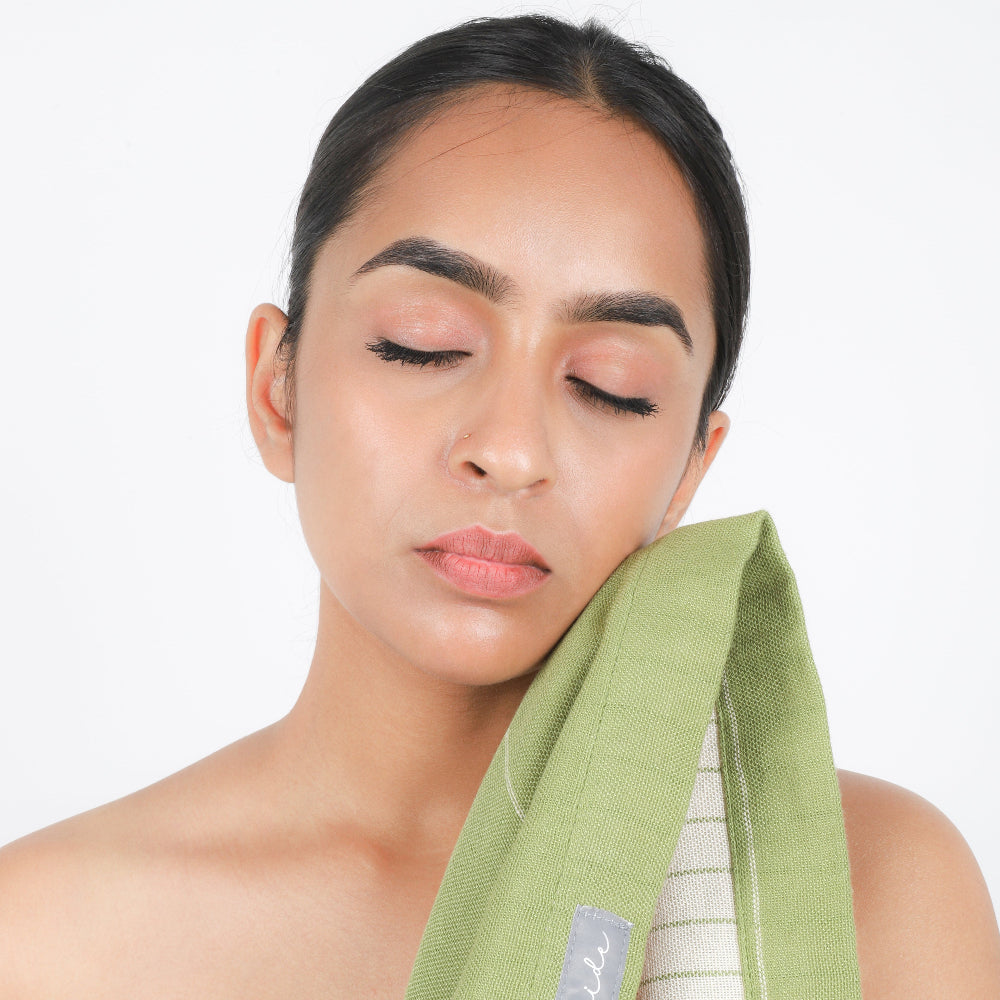
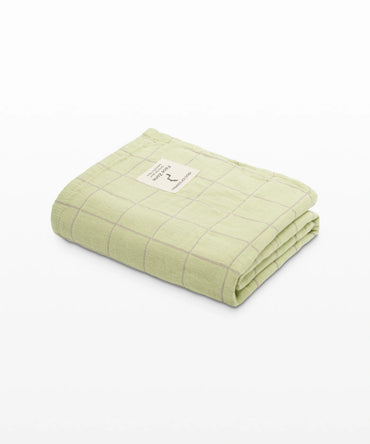
Face Towels preview
Top recommendation

Face Towels

A relevant collection path for readers comparing towel hygiene.

View collection

When To Replace Towels sounds like a household maintenance question, but for sensitive or acne-prone skin it is also a routine question. Towels touch the face, neck, shoulders, and body in repeated cycles. If the towel has stopped feeling right, the skin often notices before the bathroom routine catches up.

Most people wait for obvious signs. They replace towels when a seam looks worn, when the color fades, or when the towel no longer feels presentable for guests. Those markers are understandable, but they miss the skin-contact issue. A towel can still look usable while feeling flat, rough, stale, or too overused for the part of the routine where it matters most.

That is why When To Replace Towels deserves a skincare-first lens. The question is not only whether the towel still exists in one piece. The better question is whether it still supports a gentler drying routine or whether it has become one more source of friction and inconsistency.

Doctor Towels belongs in this conversation because the brand is positioned around routine intent, not generic towel ownership. The point is not to make extreme claims. It is to help readers recognize when the towel step is no longer supporting the skin in a calm, lower-friction way.


The Problem They Didn’t Know They Had

Towels usually live in the category of “good enough.” If one is still hanging in the bathroom and still dries water, most people assume it is fine. That assumption is exactly why When To Replace Towels becomes a bigger issue than expected. The towel may continue functioning as a bathroom object long after it has stopped feeling like a skin-friendly one.

This matters because repeated skin contact is different from occasional use. The face, jawline, neck, and chest can all react to habits that seem minor on paper but happen every day. A towel that feels slightly rougher, holds dampness longer, or gets reused across too many purposes can become a low-level aggravator without ever looking dramatic.
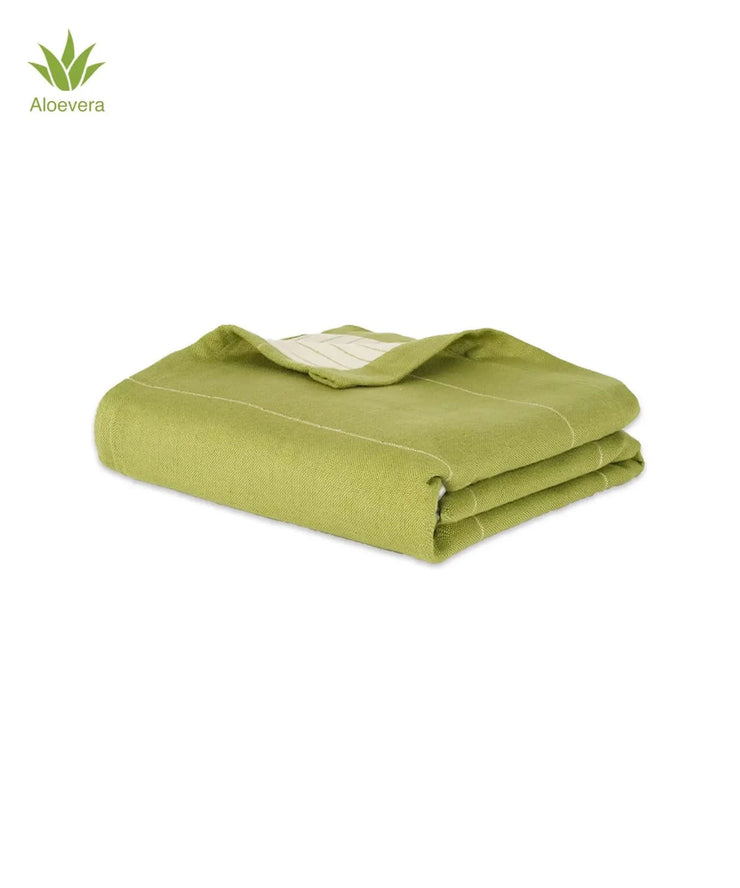
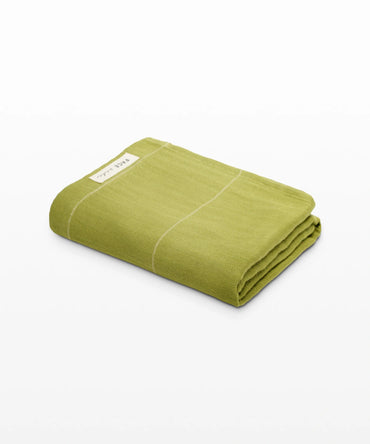
Absorbent Towels preview
Middle recommendation

Absorbent Towels

A relevant collection path for readers comparing towel hygiene.

View collection

People often do not notice the pattern because the change happens gradually. The towel does not turn from perfect to unusable overnight. Instead, it starts feeling a little less soft, a little less fresh, a little more likely to drag across the skin. Since the change is slow, the routine adapts around it and the skin ends up dealing with the consequences.

Another hidden problem is role creep. A towel that began as a clean body towel may later become a hand towel, a quick face towel, or an all-purpose bathroom cloth. Once that happens, it becomes much harder to answer the real When To Replace Towels question because the towel is no longer serving one consistent job.

The issue gets even more confusing when someone is already trying to improve their skin care. They may swap cleansers, moisturizers, or shaving products while continuing to use a towel that feels increasingly wrong. The towel is not always the only problem, but it can keep the routine from feeling fully calm even when product choices improve.

When To Replace Towels matters because the towel is part of the daily environment touching the skin. If that environment is rough, stale, or overused, the skin may keep sending subtle signals that the routine needs a reset. Ignoring those signals usually means the same problem repeats longer than it should.

Once people start looking at towels as routine tools instead of household background, the question becomes more practical. You do not replace a towel only because it looks old. You replace it when it no longer helps the skin feel comfortable, predictable, and clean in the moments that matter.


The Science Behind The Problem

The American Academy of Dermatology advises people with acne-prone skin to use gentle, non-abrasive care and warns against scrubbing with washcloths and similar tools. That guidance is helpful here because an older or rougher towel can encourage more drag and more force during drying, especially when someone starts compensating for a towel that no longer feels absorbent or comfortable.

AAD also emphasizes that acne-aware care depends on daily habits, not only treatment products. A towel that has become rougher or more inconsistently used can influence those habits every single day. If the drying step becomes harsher, the skin-care routine does not stay gentle just because the cleanser was.

PubMed literature on acne mechanica adds more context. Friction, pressure, rubbing, and occlusion can aggravate acneiform eruptions. That does not create a fixed expiration date for every towel, but it does explain why the feel and behavior of a towel matter. Once a towel encourages more friction or more aggressive wiping, it starts moving away from what reactive skin tends to tolerate best.

The practical science point is that skin responds to repeated mechanical experience, not only to product ingredients. If a towel no longer feels soft enough to allow patting instead of rubbing, or if its reuse pattern has become too casual, the skin can end up experiencing more stress than the routine appears to contain.

This is why When To Replace Towels should be treated as a skin-contact judgment rather than a simple calendar judgment. The correct timing depends on how the towel behaves in real use. If it keeps making the routine feel rougher, less fresh, or more improvised, then the towel is no longer supporting a gentle routine.

For sensitive or acne-prone skin, that distinction matters. The issue is not whether the towel still technically works. The issue is whether it still works in a way the skin can live with comfortably and consistently.


The Mechanisms - How It’s Actively Hurting You

A Worn Towel Often Requires More Pressure To Feel Effective

When a towel no longer feels absorbent in a comfortable way, people tend to rub harder or make more passes. That added motion turns drying into a more abrasive step, especially on the face or other reactive areas.

The Feel Changes Before People Officially Classify The Towel As “Old”

Towels often become flatter, heavier, or rougher in small ways over time. The skin can pick up those shifts early, even when the towel still looks ordinary in the bathroom.

A Towel That Has Drifted Into Multi-Use Duty Is Harder To Keep Predictable

If the towel now dries hands, body skin, gym sweat, and the occasional face wash, the routine loses clarity. That is a useful sign in the When To Replace Towels conversation because the towel has stopped being a defined tool and started becoming a catch-all cloth.

Unclear Towel Standards Create Chronic Routine Guesswork

When people are not sure whether the towel is still suitable, they start blaming everything else for the skin’s discomfort. The result is a cycle of product changes while the towel continues to operate as a hidden variable in the background.


Customer Language - What Real People Were Dealing With

People rarely say, “my towel has reached the end of its skin-contact life.” They say the towel suddenly feels rough on their face. They say it still looks okay, but their skin does not love it anymore. They say they are unsure whether they need to wash it, rotate it, or replace it.

That language matters because it shows how When To Replace Towels actually appears in daily life. The concern is not usually visual. It is sensory. The towel feels less comfortable. The face or body feels slightly more irritated after drying. The routine feels less fresh, even when the towel is technically still in service.

Customers also describe a common bathroom habit problem: towels stay in use because nothing about them seems urgently wrong. They still dry water, so they stay on the hook. Meanwhile, the skin is the thing carrying the cost of that decision through extra friction or less predictable contact.

This is one reason towel replacement questions overlap with skin-care questions. People who are careful about cleansers and moisturizers do not always have a good language system for evaluating fabric contact. Once they start noticing that the towel itself feels different, they realize the routine has been missing a standard.

When To Replace Towels becomes easier to answer when you listen to those small complaints. If the towel keeps feeling stale, rougher, or out of step with your skin, that is useful feedback. It means the routine is asking for a reset before the bathroom setup gets even more improvised.

Customer language also keeps the topic honest. Most people are not looking for pressure. They are looking for a simpler way to know when a towel is no longer helping. That answer has to start with comfort, friction, and routine clarity rather than generic home advice.


Actionable Habits - What To Actually Do

1. Judge Towels By Skin Feel, Not Only By Appearance

If a towel looks acceptable but feels flatter, harsher, or less comfortable after contact, treat that change seriously. Skin feedback is one of the clearest signals in the When To Replace Towels decision.

2. Separate “Needs Washing” From “Needs Replacing”

Some towels only need a wash or a faster rotation. Others have reached the point where the routine still feels off even after laundering. That is usually when replacement becomes the better reset.

3. Stop Letting One Towel Become The Default Tool For Everything

A towel that keeps drifting into multi-use duty is harder to evaluate and harder to keep gentle. Separate face, body, and general bathroom roles as much as possible.

4. Watch For More Rubbing During Drying

If you notice yourself working harder to dry off, that is a practical sign the towel may no longer be helping. A gentler towel habit should not require aggressive wiping to feel effective.

5. Compare With A More Intentional Bathroom Towel Setup

Readers who want a related example can review this guide on hand towel habits, which shows how everyday bathroom reuse can quietly turn a basic towel into the wrong tool for facial or sensitive-skin contact.

6. Get Professional Help If Skin Irritation Persists Beyond Towel Changes

When To Replace Towels is a useful routine question, but not every skin issue is a towel issue. Persistent breakouts, itch, redness, or rash-like symptoms still deserve medical guidance.

These habits help because they shift the conversation from vague household timing to skin-aware observation. The best towel routine is not the one with the longest possible lifespan. It is the one that keeps skin contact calm, simple, and consistent.


Why Doctor Towels Was Built For This

Doctor Towels approaches towels as part of a skin-care system rather than a generic linen category. That makes the When To Replace Towels topic easier to understand, because it focuses on how towels behave in a routine rather than on broad home-good rules.

The brand’s role is not to promise cures or dramatic transformation. It is to make the drying step more intentional for people who already know their skin reacts to friction, reuse, or bathroom inconsistency. That matters because most conventional towel advice does not start from the skin’s point of view.

Doctor Towels fits when readers want the towel step to align with the same logic they already apply to cleansers and moisturizers. The towel should not be an afterthought that lingers in rotation long after it stops feeling right. It should feel like a deliberate part of a gentle routine.

Readers who want additional background can explore the Doctor Towels research page and testing report. Those links support the broader idea that the towel step deserves more careful thought than most bathroom routines give it.

That is where the brand logic becomes useful. Instead of asking whether a towel is still usable in some abstract sense, the better question is whether it is still the right tool for frequent skin contact. Doctor Towels exists to make that standard clearer.

When the towel is chosen and rotated with that mindset, the bathroom routine becomes less random. The skin gets a final drying step that feels more controlled, more comfortable, and more in line with the rest of a skincare-first approach.


The Bottom Line

When To Replace Towels is not only about frayed fabric or faded color. It is about whether the towel still supports a gentle, lower-friction routine for the skin it touches every day.

If the towel feels rougher, stale, overly multi-use, or keeps pushing you toward more rubbing, the routine is already giving you a reason to rethink it. That is the point where reset matters more than squeezing out a little more use.

The better habit is to pay attention to skin feel, role clarity, and how much pressure the towel seems to demand. Those signs are more useful than waiting for a dramatic visual failure.

That is why towel replacement belongs in a skincare conversation. The towel is part of the environment touching the skin, and that environment should stay supportive rather than quietly irritating.

Once you start judging towels by how they behave on the skin, When To Replace Towels becomes a much easier question to answer. The decision is less about guilt or guesswork and more about whether the routine still feels calm, consistent, and worth repeating every day.


Medical Sources & Further Reading

  • American Academy of Dermatology - How to treat acne - https://www.aad.org/news/how-to-treat-acne
  • American Academy of Dermatology - DIY acne treatment - https://www.aad.org/public/diseases/acne/diy
  • PubMed - Acne mechanica - https://pubmed.ncbi.nlm.nih.gov/123732/
  • PubMed - Inner thigh friction as a cause of acne mechanica - https://pubmed.ncbi.nlm.nih.gov/30883890/
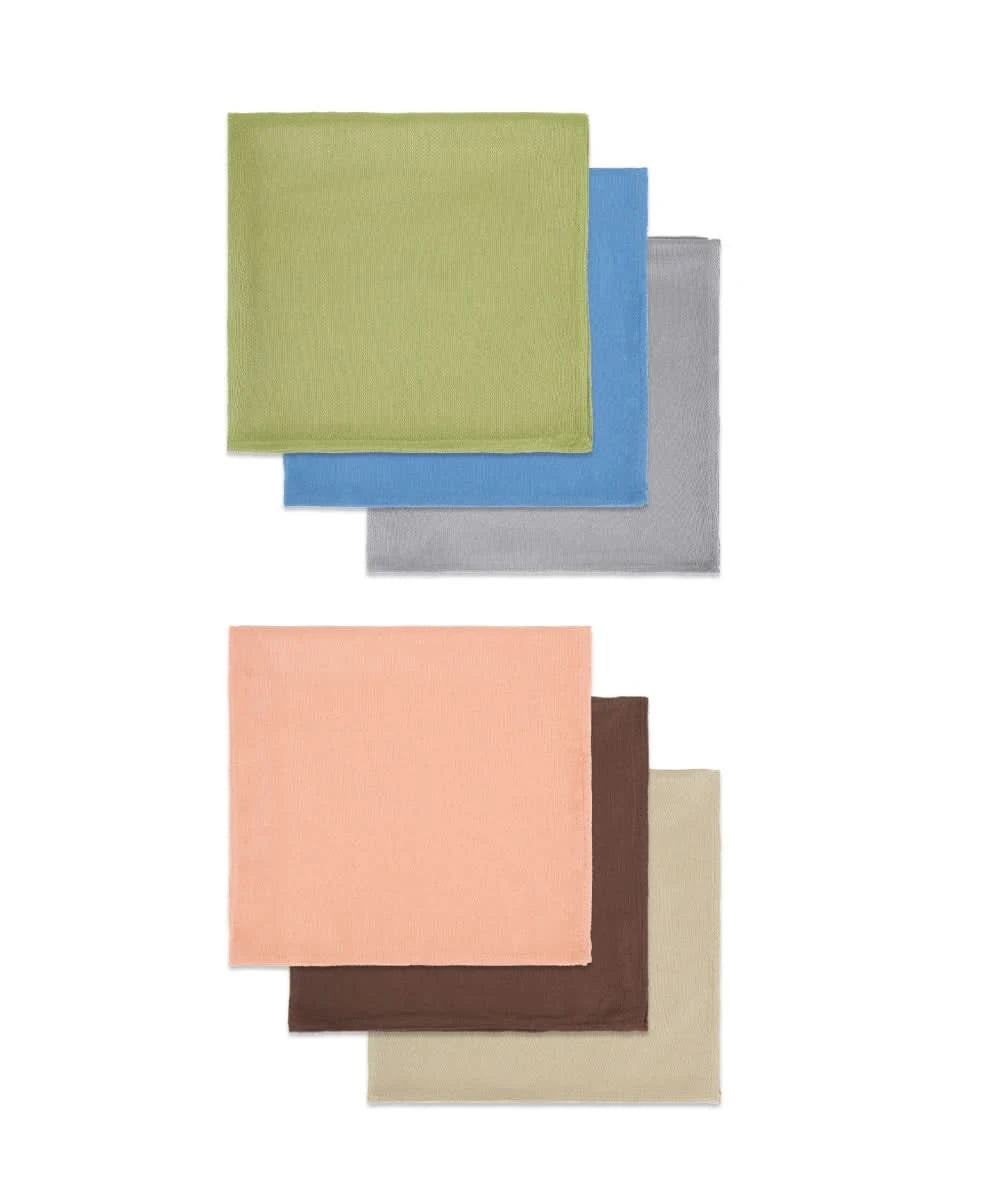
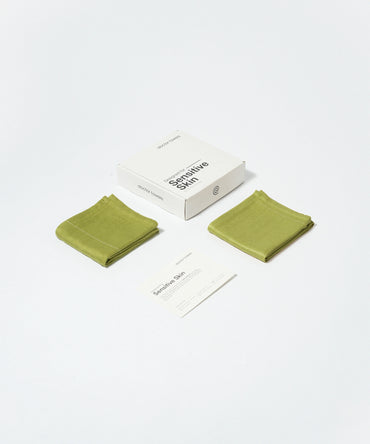
Doctor Towels Aluvera Handkerchief Pack preview
Bottom recommendation

Doctor Towels Aluvera Handkerchief Pack

A relevant product path for readers comparing towel hygiene.

View product
Face TowelsView

Post Shower Skincare Mistakes: The Towel Habit That Can Keep Sensitive Skin Feeling Off

Face Towels Acne

Post Shower Skincare Mistakes: The Towel Habit That Can Keep Sensitive Skin Feeling Off

Post Shower Skincare Mistakes often start after the water is off. The towel you use next can shape how calm or irritated your skin feels.

Doctor Towels Acne-Reduction Pack preview
Top recommendation

Doctor Towels Acne-Reduction Pack

A relevant product path for readers comparing face towels & acne.

View product

Post Shower Skincare Mistakes usually bring to mind hot water, harsh cleansers, or skipping moisturizer. Those things matter, but they are not the only problems that show up after bathing. One of the most repeated mistakes happens in a quieter place: the towel that touches the skin right after the shower is over.

That moment tends to look harmless. Someone steps out, reaches for the nearest towel, rubs quickly, and moves on. But the skin after a shower is often warm, damp, and more reactive than people realize. If the towel feels rough, stale, overly shared, or if drying turns into scrubbing, the skin can feel more irritated before the rest of the routine even begins.

This is why Post Shower Skincare Mistakes should include the drying step, not only the products that come before or after it. A towel is a repeated skin-contact surface. It can support a gentler routine, or it can keep adding friction and inconsistency in a part of the day when the skin is already vulnerable.

Doctor Towels approaches the topic from a skincare-first perspective. The goal is not to treat a towel like a cure. The goal is to make the drying step feel more intentional, lower-friction, and better aligned with the rest of a gentle routine for sensitive or acne-prone skin.


The Problem They Didn’t Know They Had

Many people put real effort into what happens in the shower. They change body washes, choose fragrance-free cleansers, shorten shower time, and pay attention to how their skin reacts to heat. Then the routine ends with a towel that has not been examined at all. That gap is why Post Shower Skincare Mistakes are so easy to repeat.

The towel usually gets treated like a household object instead of a skin-care tool. It may dry the body after a shower, then hang in a humid bathroom, then get reused the next day without much thought. Sometimes it doubles as a quick hand towel or gets brushed across the face because it happens to be nearby. When the towel is used that casually, the skin-contact standard drops fast.

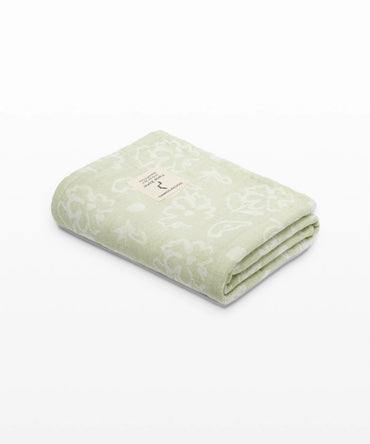
Face Towels preview
Middle recommendation

Face Towels

A relevant collection path for readers comparing face towels & acne.

View collection

Sensitive skin often notices the result before people understand the cause. The skin may feel tight after drying, slightly flushed on the cheeks, or uncomfortable in spots that already run reactive. Someone might assume the shower was too hot or that a cleanser is suddenly wrong, when really the drying step is where the routine starts feeling rough.

The issue is not just texture. It is also predictability. A towel that feels acceptable one day may feel stale, flat, or more abrasive the next day depending on how it was used, how damp it stayed, and whether it was really meant for the same part of the body again. That kind of inconsistency makes it harder to tell what the skin is responding to.

Post Shower Skincare Mistakes matter because the towel appears at the exact moment when the skin moves from cleansing to recovery. If the transition feels harsh, the rest of the routine begins from a less comfortable place. Even a good moisturizer has to follow a step that may already have irritated the surface of the skin.

Another problem is that people often divide shower habits and facial skin habits as if they are separate systems. In real life, they overlap. The towel that dries the body often ends up touching the neck, jawline, chest, or face. For people who break out around those areas or who feel itchy after showering, that overlap is worth paying attention to.

Once you see the towel as part of the post-shower routine, the whole subject becomes easier to understand. Post Shower Skincare Mistakes are not only about ingredients and water temperature. They are also about repeated contact, pressure, and whether the towel is helping the skin calm down or keeping it on edge.


The Science Behind The Problem

The American Academy of Dermatology recommends gentle, non-abrasive skin care for acne-prone skin and specifically warns against scrubbing with washcloths, sponges, and similar tools. That guidance matters after a shower because drying can easily become another form of scrubbing if a towel is rubbed hard across already reactive skin.

AAD guidance also reinforces the idea that acne-aware skin care is built from daily habits, not only treatment products. That makes the towel step relevant. The skin does not experience the routine in separate categories. It experiences the sum of cleansing, drying, pressure, friction, and what happens immediately afterward.

PubMed literature on acne mechanica helps explain why this matters. Friction, pressure, rubbing, and occlusion can aggravate acneiform eruptions. Even when the towel is not the sole cause of a skin concern, repeated mechanical stress is still something worth reducing. The skin does not benefit from unnecessary drag after it has already been exposed to warm water, shaving, exfoliants, or long shower time.

That does not mean every towel is automatically harmful. It means the way a towel is used deserves scrutiny. If drying is rough, hurried, or inconsistent, the towel can become one more mechanical stressor in a routine that is supposed to calm the skin down.

Post Shower Skincare Mistakes often continue because people judge towels by household standards instead of skin-contact standards. They ask if a towel dries fast enough, feels thick enough, or matches the bathroom. Those are not useless questions, but they do not answer the skin-care question: does the towel help the skin feel calmer after contact, or more irritated?

The science-based takeaway is fairly straightforward. The gentler routine is the one that reduces friction, limits aggressive rubbing, and treats the drying step as a real part of skin care. When the towel supports that approach, the post-shower window tends to feel more predictable and less irritating.

This is especially useful for people who feel fine during cleansing and only start noticing discomfort after the towel. That pattern points to a practical habit worth changing before the routine gets more complicated or expensive.


The Mechanisms - How It’s Actively Hurting You

Rubbing After The Shower Turns Drying Into Mechanical Stress

People often know not to scrub during cleansing, but they still scrub while drying. The motion feels normal because it is fast, but the skin still experiences pressure and drag. On sensitive areas like the face, neck, chest, and jawline, that can leave the skin feeling more activated than settled.

A Damp Bathroom Towel Changes Feel Faster Than People Expect

A towel does not need to smell bad to stop feeling right. If it hangs in a humid bathroom, gets reused while still holding moisture, or feels heavy and flat, the contact experience changes. Sensitive skin may register that change before the person sees anything obviously wrong.

Shared Towel Use Makes The Post-Shower Routine Less Controlled

When the same towel serves multiple jobs, the skin loses a dedicated drying step. The towel may be fine for body drying but still feel wrong when it brushes across the face or reactive areas. Post Shower Skincare Mistakes often come from that lack of separation, not from one dramatic mistake.

The Skin Gives Confusing Feedback When The Towel Habit Keeps Changing

If one day the towel is fresh, the next day overused, and the day after that rubbed aggressively, the skin becomes harder to read. People start guessing whether their cleanser, lotion, weather, or shower temperature is the real problem. A more consistent towel habit removes one hidden variable from the routine.


Customer Language - What Real People Were Dealing With

People rarely describe their towel problem in technical language. They say their skin feels irritated after drying. They say the shower itself felt fine, but the towel made their face or chest feel worse. They say they never thought a towel could be part of the issue because it seemed too ordinary to matter.

That kind of feedback is exactly why Post Shower Skincare Mistakes deserves a broader definition. A lot of people do not need another lecture about buying more products. They need help noticing the routine habits that still feel harsh even when the product lineup looks reasonable.

Customer language also shows how often the towel gets treated as background. Someone might say they use “whatever towel is there” after showering. Another person may say they use the same towel until it starts feeling off. Others describe wanting a towel that feels like it belongs in their skincare routine instead of in the general bathroom rotation.

Those comments point to a real routine frustration. They are not asking for miracle claims. They are asking for a drying step that feels gentler, cleaner, and more predictable. When people search Post Shower Skincare Mistakes, they are usually trying to understand why skin that should feel refreshed still feels slightly irritated when the routine is over.

That is especially true for people who deal with reactive facial skin, tender breakouts on the jawline, or skin that feels itchy after a shower. The towel may not be the only factor, but it is often the factor nobody has looked at carefully yet. Once it is named, it becomes much easier to fix.

Customer language is useful because it keeps the conversation grounded. The issue is not abstract. It is the familiar feeling that the skin was doing fine until drying happened. That is a meaningful clue, and it deserves an equally practical response.


Actionable Habits - What To Actually Do

1. Keep A Separate Towel For Facial Or Sensitive-Skin Contact

Do not let the same towel handle every part of the bathroom routine. If your face, neck, or other reactive areas need a gentler step, give them a separate towel instead of borrowing from the general post-shower rotation.

2. Pat Water Away Instead Of Rubbing It Off

Press and lift rather than drag the towel across the skin. This is one of the simplest ways to reduce a common Post Shower Skincare Mistakes pattern without changing the entire routine.

3. Notice The Feel Of The Towel, Not Only Whether It Looks Clean

If a towel feels damp, flat, stale, or harsher than it did before, rotate it out. Skin comfort often changes before the towel looks visibly worn or dirty.

4. Treat The First Minute After Drying As Part Of The Routine

Pay attention to how the skin feels immediately after contact. If the face looks redder or feels tighter right after drying, that moment is telling you something useful about the towel habit.

5. Compare Your Shower Towel Habit With A Face-Specific Drying Routine

If you want a practical benchmark, this related guide on towels for face shows what a more intentional face-drying setup can look like compared with general bathroom reuse.

6. Seek Professional Care For Ongoing Irritation, Breakouts, Or Rash-Like Symptoms

Post Shower Skincare Mistakes can make the routine harsher, but they cannot explain every skin problem. If symptoms persist, worsen, or involve significant discomfort, professional dermatology care matters.

These habits work because they simplify the routine rather than adding more confusion. The goal is not to make showering fussy. The goal is to stop turning the towel into a rough final step after the skin has already gone through heat, water, and cleansing.


Why Doctor Towels Was Built For This

Doctor Towels is positioned as a skincare-first towel brand, which makes this conversation more useful than standard towel marketing. The brand is not supposed to function as a cure or a dramatic promise. It fits into the routine as a more intentional drying step for people who care about friction, comfort, and repeated skin contact.

That matters because Post Shower Skincare Mistakes usually get framed too narrowly. Most advice focuses on products and water temperature while leaving the towel in the background. Doctor Towels brings the towel back into the conversation where it belongs.

The brand logic is simple: the towel step should feel as deliberate as the cleanser, serum, or moisturizer that comes before or after it. If the towel is an afterthought, the routine ends with a step that can still feel rough. If the towel is part of the system, the routine becomes easier to keep gentle from start to finish.

Readers who want the brand’s broader context can review the Doctor Towels research page and testing report. Those resources sit alongside the more practical point: a towel should support skin-aware habits rather than undermine them.

Doctor Towels works best when it helps someone stop defaulting to random bathroom reuse. The value is not in hype. It is in making the drying step feel calmer, more deliberate, and better matched to sensitive or acne-aware routines.

That is why a skincare-first towel brand makes sense here. The problem is not only what you wash with. It is also what repeatedly touches the skin after the water is off. When that final contact becomes gentler and more consistent, the whole post-shower routine feels more coherent.


The Bottom Line

Post Shower Skincare Mistakes do not end when the cleanser is rinsed off. They can continue in the towel step if drying becomes rough, overly shared, or too casual for sensitive skin.

The better approach is simple. Use a dedicated towel for the skin that needs it most, pat instead of rub, rotate when the towel stops feeling fresh, and pay attention to how the skin feels immediately after contact. Those changes help remove unnecessary friction from a part of the routine people usually overlook.

That is why the towel matters. It is one of the last things touching the skin before the routine moves on. If that contact feels gentler, the skin often feels gentler too.

For many people, that shift is enough to make the shower routine feel more consistent again. The towel stops being a hidden source of irritation and starts acting like a deliberate final step that supports the rest of their skin care.

Once that happens, Post Shower Skincare Mistakes becomes a more complete conversation. It is no longer only about what happens under the water. It is also about what happens in the minute right after, when the towel either helps the skin settle or keeps it feeling slightly off.


Medical Sources & Further Reading

  • American Academy of Dermatology - How to treat acne - https://www.aad.org/news/how-to-treat-acne
  • American Academy of Dermatology - DIY acne treatment - https://www.aad.org/public/diseases/acne/diy
  • PubMed - Acne mechanica - https://pubmed.ncbi.nlm.nih.gov/123732/
  • PubMed - Inner thigh friction as a cause of acne mechanica - https://pubmed.ncbi.nlm.nih.gov/30883890/
Doctor Towels Acne-Reduction Pack preview
Bottom recommendation

Doctor Towels Acne-Reduction Pack

A relevant product path for readers comparing face towels & acne.

View product
Doctor Towels Acne-Reduction PackView

Sensitive Skin Towel: What To Look For When Your Drying Routine Feels Too Harsh

Face Towels Acne

Sensitive Skin Towel: What To Look For When Your Drying Routine Feels Too Harsh

Sensitive Skin Towel is really a routine question. The best choice is the towel that helps your face dry with less friction, less reuse, and more comfort after cleansing.

Doctor Towels Acne-Reduction Pack preview
Top recommendation

Doctor Towels Acne-Reduction Pack

A relevant product path for readers comparing face towels & acne.

View product

Sensitive Skin Towel sounds like a product search, but most people asking the question are really trying to solve a routine problem. They are noticing that their skin feels tight, flushed, irritated, or just uncomfortable after drying. They may already be using gentle products, but the face still feels worse the moment the towel touches it.

That makes the towel worth examining on its own. A Sensitive Skin Towel is not only about texture or size. It is about whether the drying step supports the skin instead of adding one more daily source of friction. The towel is one of the most repeated contact points in a routine, so when it feels wrong, the face notices.

Doctor Towels approaches this from a skincare-first perspective. The towel is not a cure. It is part of a gentler system. If the face-drying step becomes more dedicated, lower-friction, and more intentional, the whole routine can feel more stable.


The Problem They Didn’t Know They Had

People often assume their irritation starts with products because products are easy to blame. But sensitive skin can also react to ordinary routine contact. The towel that touches the face after cleansing may be rougher, more reused, or more shared than the person realizes.

That problem stays hidden because towels are usually treated like background objects. They live in the bathroom, they get reused casually, and they are rarely judged by the same standards as skin-care products. Yet for someone with reactive skin, the towel may be the part of the routine that feels worst in the final moment.

This is why the query Sensitive Skin Towel matters. It is less about shopping for a label and more about identifying a missing standard. If a towel leaves the face feeling irritated after drying, that is not a trivial complaint. It means the routine needs a gentler point of contact after the face has already been washed, rinsed, and possibly shaved or treated.

Face Towels preview
Middle recommendation

Face Towels

A relevant collection path for readers comparing face towels & acne.

View collection

Many people recognize the issue through everyday language first. They say, “my skin feels irritated after drying my face.” They say, “I never thought my towel could be part of the problem.” Those reactions are what make the towel worth separating from the rest of bathroom use.

The issue also stays hidden because towels are usually judged by household logic instead of skincare logic. People ask whether a towel matches the bathroom, dries quickly enough, or feels acceptable in the hand. They do not always ask how it behaves on a reactive face after cleansing. Sensitive Skin Towel is useful because it changes that standard.


The Science Behind The Problem

The American Academy of Dermatology recommends gentle, non-abrasive care for acne-prone skin and warns against scrubbing with washcloths and similar tools. Even though a towel is not automatically a scrub, it becomes functionally abrasive when the face is rubbed hard or repeatedly after cleansing.

AAD guidance also supports the broader idea that daily habits are part of good acne-aware care. Sensitive skin routines benefit from the same principle. If the goal is to reduce irritation, the towel should behave like an ally to the routine rather than an unexamined friction source.

PubMed literature on acne mechanica makes the friction issue clearer. Pressure, rubbing, friction, and occlusion can aggravate acneiform eruptions. That does not mean every towel causes acne, but it does mean repeated mechanical stress is worth reducing, especially when skin already feels inflamed or reactive.

The takeaway for a Sensitive Skin Towel is practical. Look for a towel routine that lowers friction, keeps the cloth dedicated to the face, and avoids turning drying into another harsh step after washing.

It helps to think about the towel as the transition between cleansing and care. If that transition feels rough, the skin enters the next steps already uncomfortable. A gentler towel cannot solve every skin issue, but it can remove one repeated irritant from the exact moment when the face is most exposed.


The Mechanisms - How It’s Actively Hurting You

The Face Is More Reactive Right After Washing

After cleansing, the skin is damp and often more sensitive to pressure. If the towel comes in with rough wiping, the face can feel more irritated than it did a moment earlier. That is why some people think the cleanser failed when the towel is part of the issue.

A Shared Towel Usually Means A Less Controlled Face Routine

If the face towel is also drying hands, body skin, or sink splashes, the face is no longer getting a dedicated step. Sensitive Skin Towel works best as a separate routine tool, not as part of a general-use towel pile.

That separation improves behavior as much as comfort. Once the towel is face-specific, people are more likely to rotate it sooner, use lighter pressure, and notice when the fabric no longer feels right. Those small changes build a more predictable routine.

Friction Compounds Existing Skin Stress

Active breakouts, shaving irritation, dry patches, and a fragile barrier all make the skin less tolerant of rubbing. The towel does not need to be extremely rough to matter. It only needs to add enough repeated drag to become one more stressor.

Inconsistent Drying Habits Make The Skin Harder To Read

If the towel is fresh one day and overused the next, or if pressure changes every morning, it becomes difficult to tell what the skin is responding to. Consistency makes feedback clearer. Sensitive Skin Towel is partly about building that consistency back into the routine.

When the routine becomes more consistent, the skin becomes easier to interpret. If irritation still continues after the towel habit improves, that is useful information to bring into a dermatology conversation instead of guessing what changed.


Customer Language - What Real People Were Dealing With

Customer language around towels is often striking because it sounds so ordinary. People say using the same face towel every day made their skin feel gross. They say their routine was fine except the towel felt rough on active breakouts. They say they wanted a towel that felt like it belonged in their skincare routine.

Those phrases reveal what shoppers actually want from a Sensitive Skin Towel. They are not asking for exaggerated beauty claims. They are asking for comfort, predictability, and a face-drying step that stops feeling like the harshest part of the day.

That matters for sensitive skin because discomfort is often cumulative. The skin may not react dramatically every time, but it can start feeling more irritable over days of rushed drying, shared towels, and extra friction. Once someone notices that pattern, the towel moves from invisible habit to something worth changing.

Sensitive Skin Towel becomes a useful search category when it helps people connect those experiences to a practical routine change. It turns the towel into a deliberate skincare tool instead of a generic bathroom object.

It also gives language to people who have felt the problem without being able to explain it. They know the routine feels off, but most skin-care advice keeps directing them only toward product swaps. The towel is often the missing piece.

That shift in language can be surprisingly helpful. Once someone identifies the towel as part of the pattern, they can test a simpler, gentler habit instead of endlessly cycling through new cleansers or moisturizers without understanding why the skin still feels uncomfortable after drying.


Actionable Habits - What To Actually Do

1. Separate Your Face Towel From Your Bathroom Towels

A dedicated Sensitive Skin Towel gives the face a cleaner, more controlled drying step. It also makes it easier to notice whether the towel itself is helping.

2. Dry By Pressing, Not By Scrubbing

The goal is to remove water, not to polish the skin. Press and lift the towel rather than dragging it repeatedly across the face.

3. Change The Towel When The Feel Changes

Do not wait until a towel is obviously dirty. If it feels stale, damp, or less comfortable, swap it out. Sensitive skin often notices that change early.

4. Pay Attention To The Moment After Drying

That short window tells you a lot. If your skin stings, looks redder, or feels more irritated right after the towel, the drying step needs adjustment.

5. Compare Your Towel Habit With Other Face-Drying Setups

If you want a useful comparison point, this related guide on hand towel habits shows how a common bathroom towel can quietly become the wrong towel for the face.

6. Seek Professional Care For Persistent Or Severe Skin Problems

Sensitive Skin Towel can improve day-to-day comfort, but it cannot replace professional guidance for persistent acne, eczema, rashes, or chronic irritation.

These habits work best when they stay simple. The goal is not to turn drying into a fussy ritual. The goal is to remove obvious friction so the face does not feel stressed every time the routine ends.


Why Doctor Towels Was Built For This

Doctor Towels exists because the towel step is easy to ignore even though it touches the skin every day. A skincare-first towel brand treats drying as part of a gentler routine rather than a separate household chore.

That matters for readers searching Sensitive Skin Towel because what they usually want is not more hype. They want a towel that fits the same logic as the rest of their care: lower friction, more comfort, and a routine that does not feel like it keeps undoing itself.

Doctor Towels is best understood as part of that system. The brand should be positioned as educational and routine-based, not as a cure. Readers who want more context can review the Doctor Towels research page and testing report.

The stronger message is still about habits. A Sensitive Skin Towel works when it helps someone dry more gently, keep the towel dedicated to the face, and stop treating that last step after cleansing as an afterthought.

That is the advantage of a skincare-first brand voice here. It keeps the conversation focused on routine design instead of inflated promises. The towel should make a gentle routine easier to keep, not claim to replace the rest of skin care.


The Bottom Line

Sensitive Skin Towel is not just a fabric question. It is a routine question. If the face feels more irritated after drying than it did after washing, the towel deserves as much attention as the products touching the skin before it.

The better routine is simple: use a dedicated face towel, pat instead of rub, rotate early, and notice how your skin feels right after contact. Those changes can make a careful routine feel more coherent and more comfortable.

That is why Sensitive Skin Towel matters. It brings the drying step into the skin-care conversation where it should have been all along.

For many readers, that shift alone changes the whole bathroom routine. Once the towel is treated like a skin-contact tool instead of a generic bathroom essential, better choices become much easier to make and keep.

And that is often the biggest improvement of all. A better towel habit does not need to be dramatic to be meaningful. It only needs to make the face feel less aggravated every single time the routine ends.

Over time, that kind of consistency can make the entire skin-care routine feel more dependable. The towel stops being a hidden variable and starts acting like a quieter, gentler final step.


Medical Sources & Further Reading

  • American Academy of Dermatology - How to treat acne - https://www.aad.org/news/how-to-treat-acne
  • American Academy of Dermatology - DIY acne treatment - https://www.aad.org/public/diseases/acne/diy
  • PubMed - Acne mechanica - https://pubmed.ncbi.nlm.nih.gov/123732/
  • PubMed - Inner thigh friction as a cause of acne mechanica - https://pubmed.ncbi.nlm.nih.gov/30883890/
Doctor Towels Acne-Reduction Pack preview
Bottom recommendation

Doctor Towels Acne-Reduction Pack

A relevant product path for readers comparing face towels & acne.

View product
Doctor Towels Acne-Reduction PackView

Soft Towels For Sensitive Skin: What Softness Really Needs To Mean In A Drying Routine

Face Towels Acne

Soft Towels For Sensitive Skin: What Softness Really Needs To Mean In A Drying Routine

Soft Towels For Sensitive Skin should mean more than plush fabric. The real question is whether the towel helps your face-drying routine stay gentle, consistent, and less irritating.

Doctor Towels Acne-Reduction Pack preview
Top recommendation

Doctor Towels Acne-Reduction Pack

A relevant product path for readers comparing face towels & acne.

View product

Soft Towels For Sensitive Skin sounds straightforward, but the word soft can hide a lot of different problems. A towel may feel plush in the store and still feel wrong on the face after a few washes. It may seem comfortable in the hand but still encourage rubbing, overuse, or a lazy bathroom rotation that leaves the skin feeling hotter and more irritated after drying.

That is why this topic matters. Sensitive skin does not only react to active ingredients. It can also react to habits, pressure, dampness, and the kind of friction that shows up after cleansing rather than during it. A towel that feels too rough, too heavy, or simply too shared can turn a careful routine into one that feels harsher than intended.

Doctor Towels approaches this from a skincare-first angle. The goal is not to promise miracle fabric. The goal is to help readers understand what softness should actually do inside a drying routine: reduce unnecessary friction, support consistency, and make the face towel feel like part of skin care instead of a generic bathroom leftover.


The Problem They Didn’t Know They Had

Many people assume sensitive skin only reacts to what they apply, not to what they touch the skin with after washing. So they spend time choosing fragrance-free cleansers and barrier-supportive moisturizers, then dry with the same towel used for everything else. That is a routine mismatch.

The mismatch gets worse because soft is often judged too quickly. Someone squeezes a towel, likes the feel, and assumes it will behave well on the face. But softness in the hand is not the same as comfort during repeated use. A towel can still feel draggy when it moves across damp skin, especially once it has been reused, washed heavily, or left sitting in a humid bathroom.

This is where Soft Towels For Sensitive Skin needs a more useful definition. A good towel should not only feel pleasant in the first second. It should support a gentle face-drying habit day after day. That means it should encourage patting instead of scrubbing, feel fresh enough to stay dedicated to the face, and avoid becoming one more source of irritation in a routine that is supposed to calm the skin down.

Face Towels preview
Middle recommendation

Face Towels

A relevant collection path for readers comparing face towels & acne.

View collection

People often notice this problem through experience before they have the words for it. They say their skin feels irritated after drying their face. They say a towel felt rough on active breakouts. They say their routine was fine except for the towel. Those observations point directly at the drying step.

There is a difference between softness as texture and softness as performance. A towel may feel pillowy in your hands and still become draggy once it touches damp skin. For sensitive skin, the better standard is whether the towel helps drying feel calmer in real use, not whether it makes a strong first impression on the shelf.


The Science Behind The Problem

The American Academy of Dermatology consistently recommends gentle, non-abrasive care for acne-prone skin. That is relevant to sensitive skin too, because the face usually tolerates less rubbing when the barrier already feels reactive. If a person is trying to lower irritation, the towel should not be the step that brings friction back into the routine.

AAD guidance on acne-friendly habits also reinforces a broader point: consistent, dermatologist-aligned routine behavior matters. Soft Towels For Sensitive Skin is not only a shopping issue. It is a daily-habit issue. The towel influences how the skin feels after every wash, which means it belongs in the same discussion as cleanser choice and post-wash skin comfort.

PubMed literature on acne mechanica supports the idea that friction, pressure, rubbing, and occlusion can aggravate acneiform eruptions. Sensitive skin is not the same as acne mechanica, but the underlying principle still matters. Repeated mechanical stress is often a bad bargain when the skin already feels vulnerable.

The useful lesson is not that every towel is harmful. It is that softness should be evaluated through the lens of friction and routine behavior. A truly better towel is one that makes it easier to dry with less pressure, less rubbing, and fewer moments where the skin feels worse right after contact.

That perspective prevents a common mistake: endlessly searching for softer fabric without changing the habit around it. Soft Towels For Sensitive Skin becomes much more useful when people ask whether the towel stays face-specific, rotates early enough, and still feels gentle after repeated washing.


The Mechanisms - How It’s Actively Hurting You

A Towel Can Feel Soft At Rest And Still Feel Abrasive In Motion

Touching a folded towel with dry hands is not the same as pressing it against damp facial skin. Sensitive skin notices drag, repeated swipes, and the difference between patting and rubbing. That is why some towels that seem soft enough still end up feeling irritating during real use.

Sensitive Skin Usually Notices Pressure More After Cleansing

Once the face has been washed, shaved, or rinsed with warm water, the skin often feels more exposed. If the towel comes in with firm pressure or repeated wiping, that discomfort can show up immediately. People then blame the cleanser or weather when the towel was part of the trigger.

Shared Towel Habits Quietly Change The Feel Of The Fabric

The same towel behaves differently after it has dried hands, sat damp, or been reused several times. Even if it still looks clean, it may feel heavier or rougher. Soft Towels For Sensitive Skin works best when it stays face-specific rather than blending into the general bathroom rotation.

Chasing Softness Alone Can Distract From The Routine Problem

Some people keep buying new towels hoping the next fabric will solve everything, but the deeper issue is habit. If the towel is still rubbed across the face, shared with the rest of the bathroom, or rotated too late, softness alone will not fully fix the experience.

That is why sensitive skin often responds best to a combination of comfort and boundaries. The towel should feel gentle, but it should also be easy to keep separate from body use and easy to swap out before the feel starts to decline.


Customer Language - What Real People Were Dealing With

Customer language around this issue is usually very concrete. People say they wanted a towel that felt like it belonged in their skincare routine. They say using the same face towel every day made their skin feel gross. They say their face felt irritated after drying, even though they had already switched to gentler products.

That language matters because it shows what people actually mean when they search for Soft Towels For Sensitive Skin. They are not always asking for luxury. They are asking for less friction, less unpredictability, and a drying step that stops feeling like the harshest part of the routine.

For some readers, the issue becomes obvious during a flare. Active breakouts or a reactive barrier make even minor rubbing feel bigger. For others, the clue is more subtle. Their skin simply feels calmer on days when they use a fresher, gentler face towel. Once they notice that difference, the towel is no longer an invisible object in the background.

That is why the phrase matters. Soft Towels For Sensitive Skin is useful when it helps readers define softness in routine terms: how the towel feels during drying, how easy it is to keep dedicated to the face, and whether the skin feels calmer after it touches the fabric.

Once people frame the issue that way, their decisions improve. They stop asking only whether a towel feels fluffy and start asking whether it still behaves well after laundering, whether it supports a pat-dry habit, and whether it keeps the face routine more predictable.


Actionable Habits - What To Actually Do

1. Judge Softness By Face Feel, Not By Shelf Feel

The only softness that matters is how the towel behaves against damp facial skin. If it encourages rubbing or feels draggy once the face is wet, it is not doing the job you need.

2. Pat Instead Of Wiping Across The Face

Soft Towels For Sensitive Skin should support a press-and-lift habit. Patting helps remove water without turning the drying step into more friction.

3. Keep A Dedicated Face Towel Even If The Whole Towel Set Feels Soft

The towel may be pleasant enough for body use and still not be ideal for repeated face contact after several uses. A dedicated face towel keeps the routine more controlled.

4. Rotate Based On Feel, Not Just On Visible Dirt

If the towel starts feeling stale, heavy, or less comfortable, swap it out. Sensitive skin often notices that change before the eye does.

5. Compare Fabric Expectations With Actual Routine Results

Readers who are trying to make sense of material choices may also want to review this related guide on best materials for bath towels. It helps separate fabric questions from habit questions.

6. Get Professional Help If Skin Irritation Keeps Escalating

Soft Towels For Sensitive Skin can support a gentler routine, but it cannot replace medical evaluation for persistent rashes, severe acne, or ongoing irritation.


Why Doctor Towels Was Built For This

Doctor Towels was built around the idea that the towel step should be part of a skincare conversation. That makes sense for sensitive skin because comfort is not just about how something feels for one second. It is about whether the routine keeps the skin from feeling more aggravated after contact.

The brand’s role is not to make hard medical claims. It is to bring more intention to a habit that most people overlook. A skincare-first towel brand treats drying as part of the barrier conversation, not as a generic housekeeping detail.

That is what makes Doctor Towels relevant to a query like Soft Towels For Sensitive Skin. Readers are usually looking for relief from routine friction, not just a softer stack of linens. For brand context, they can review the Doctor Towels research page and testing report.

The stronger message is behavioral. Use a towel that helps the face-drying step stay gentle, deliberate, and separate from general bathroom use. That is the lane Doctor Towels is trying to own.

That positioning is stronger than promising softness in the abstract. It connects the product to the actual moment readers care about: how their skin feels right after drying, and whether the towel keeps adding friction or starts reducing it.


The Bottom Line

Soft Towels For Sensitive Skin should mean more than fluffy texture. It should mean a towel that helps the drying step feel gentler, more consistent, and less likely to leave the skin irritated after washing.

If your face feels worse after the towel than it did after cleansing, that is useful information. Separate the face towel, pat instead of rub, rotate earlier, and pay attention to how the skin feels right after contact. Those simple changes often do more than endlessly switching products.

That is the real value in Soft Towels For Sensitive Skin. It gives people permission to take the towel seriously as part of a routine designed for calmer skin.

Softness matters most when it changes the experience of drying, not just the feel of folded fabric. For sensitive skin, that is the version of softness worth paying for and maintaining.

When a towel meets that standard, the whole routine usually feels easier to trust. The skin is not fighting the final step, and that makes every other careful choice around cleansing and moisturizing easier to appreciate.


Medical Sources & Further Reading

  • American Academy of Dermatology - How to treat acne - https://www.aad.org/news/how-to-treat-acne
  • American Academy of Dermatology - DIY acne treatment - https://www.aad.org/public/diseases/acne/diy
  • PubMed - Acne mechanica - https://pubmed.ncbi.nlm.nih.gov/123732/
  • PubMed - Inner thigh friction as a cause of acne mechanica - https://pubmed.ncbi.nlm.nih.gov/30883890/
Doctor Towels Acne-Reduction Pack preview
Bottom recommendation

Doctor Towels Acne-Reduction Pack

A relevant product path for readers comparing face towels & acne.

View product
Doctor Towels Acne-Reduction PackView

Skincare Towels: Why The Towel Step Belongs In Your Routine, Not Outside It

Face Towels Acne

Skincare Towels: Why The Towel Step Belongs In Your Routine, Not Outside It

Skincare Towels are not only about owning a softer towel. They are about treating the drying step like part of skin care instead of a random bathroom habit.

Doctor Towels Acne-Reduction Pack preview
Top recommendation

Doctor Towels Acne-Reduction Pack

A relevant product path for readers comparing face towels & acne.

View product

Skincare Towels sounds like a niche phrase until you look at what usually happens between cleansing and the rest of a routine. Someone washes carefully, applies a gentle cleanser, avoids harsh scrubs, then reaches for whatever towel is hanging nearby. That towel may have dried hands, body skin, sweat, or a bathroom counter splash earlier in the day. The face still gets pressed into it anyway.

That gap is why Skincare Towels matters. A towel is one of the last things touching the skin before serums, moisturizers, or sunscreen go on. If the drying step feels rough, stale, rushed, or inconsistent, the skin can end up feeling worse even when the cleansing step was careful. People often notice that their skin feels irritated after drying their face, but they do not always connect that feeling to the towel itself.

Doctor Towels fits this conversation because the brand is positioned as skincare-first, not as a generic household towel label. The real point is not that one towel can cure acne or sensitivity. It is that a better drying routine can reduce unnecessary friction, keep the face towel more intentional, and make the rest of the routine feel calmer.


The Problem They Didn’t Know They Had

Most people still treat towel use as a background habit. They think about face wash ingredients, whether a moisturizer breaks them out, and whether a sunscreen feels too heavy, but they do not stop to ask what the towel is doing right after cleansing. The result is that the most repeated contact surface in the routine often gets the least attention.

That matters because the towel step does not happen in isolation. Skin is usually more reactive after washing, shaving, sweating, or using active ingredients. If the face is already warm, damp, or a little sensitized, the next contact matters more than people think. A generic bathroom towel can feel acceptable on one day and too rough on another, especially when it has been used repeatedly or left in a humid space.

This is why Skincare Towels is a useful phrase. It frames the towel as part of the routine instead of outside it. When someone says, “my routine was fine except my towel felt rough on active breakouts,” they are not being dramatic. They are noticing that the drying step can undo some of the gentleness they just tried to build into the rest of their skin care.

Face Towels preview
Middle recommendation

Face Towels

A relevant collection path for readers comparing face towels & acne.

View collection

Another hidden problem is routine spillover. The same towel may touch the face after cleansing, then dry hands, then get reused after a shower. Once that happens, the towel stops being a deliberate face-drying tool and becomes a catch-all cloth. Sensitive or acne-prone skin usually responds better when that part of the routine feels more controlled.

There is also a mindset issue underneath all of this. When the towel is treated like a random bathroom object, the entire routine ends with a step that feels improvised. Skincare Towels matters because it gives the drying step the same kind of intention people already give their cleanser, moisturizer, and sunscreen.


The Science Behind The Problem

The American Academy of Dermatology advises people with acne to keep skin care gentle and non-abrasive. That guidance specifically warns against scrubbing with washcloths and similar tools, because friction can make acne-prone skin feel more irritated. A towel is not automatically a problem, but it becomes one when drying turns into rubbing or when the cloth itself feels harsh on already reactive skin.

AAD guidance also makes an important routine point: acne care is not only about treatment products. Gentle daily habits are part of the equation. That matters for Skincare Towels because the towel touches the face in a repeated cycle. If someone is trying to build a calmer routine, the towel step should support that goal rather than work against it.

PubMed literature on acne mechanica adds more context. Friction, pressure, rubbing, and occlusion can aggravate acneiform eruptions. While those papers often discuss gear, repeated contact, or friction-prone areas, the principle is still useful for face-drying habits. Sensitive or breakout-prone skin does not benefit from unnecessary mechanical stress.

The practical takeaway is simple. Skincare Towels should be judged by how they affect the routine in real life. The right towel is not the one with the loudest marketing language. It is the one that helps the skin experience less friction, less rough wiping, and more consistent face-drying habits.

Timing matters too. The towel shows up in the transition between cleansing and the rest of care. If that transition feels rough, the skin is already less comfortable before serums or moisturizer go on. A gentler towel habit can make the full sequence feel calmer from the moment cleansing ends.


The Mechanisms - How It’s Actively Hurting You

A Careful Cleansing Step Can Be Undone By Aggressive Drying

Many people already know not to scrub during cleansing, but they accidentally scrub during drying instead. They drag the towel across the cheeks, nose, jawline, and forehead because it feels fast and familiar. The skin does not necessarily care whether that friction came from a scrub or a towel. It only registers another rough contact point.

Shared Bathroom Towels Make The Face-Drying Step Less Predictable

Once a towel becomes a hand towel, body towel, guest towel, or all-purpose bathroom towel, the face no longer gets a dedicated drying step. That makes it harder to control freshness, softness, and how the fabric feels against the skin. People often describe this as their skin feeling gross after using the same face towel every day, which is really a sign that the routine has lost definition.

Dampness Changes How A Towel Feels On Sensitive Skin

A towel does not need to smell bad to feel wrong. A cloth that stays damp too long can feel heavy, flat, cool, or stale. That texture shift matters more when the face is already irritated or acne-prone. Skincare Towels should stay tied to the idea of a fresh, face-specific drying step rather than a towel that simply remains in the bathroom by default.

Inconsistent Towel Habits Create Confusing Skin Feedback

If the towel is softer one day, rougher the next, and shared the day after that, it becomes hard to tell what is actually aggravating the skin. Someone may blame cleanser, moisturizer, or weather when the towel is a quieter contributor. That is why the drying step deserves to be made consistent before the rest of the routine gets overcomplicated.


Customer Language - What Real People Were Dealing With

People do not usually say they are looking for lower-friction textile contact. They say, “my skin feels irritated after drying my face.” They say, “I never thought my towel could be part of the problem.” They say they wanted a towel that felt like it belonged in their skincare routine. That language matters because it points to a repeated real-life discomfort, not a theoretical one.

It also explains why Skincare Towels is gaining traction as a search idea. People are trying to solve a routine issue that sits between cleansing and treatment. They are looking for something gentler, but also something more intentional. They want the towel step to feel as if it matches the rest of the products they already chose carefully.

That is especially true for people with acne-prone or sensitive skin. They often notice discomfort after the towel rather than during cleansing. Some say the face feels fine until they start drying. Others notice that breakouts feel more tender after rubbing with a shared bathroom towel. Those are not random complaints. They are clues that the towel step deserves its own standards.

Skincare Towels makes sense when it answers those complaints directly. It tells the reader that the towel is not a beauty extra or a generic bathroom detail. It is a repeated skin-contact habit that can be made calmer, cleaner, and more deliberate.


Actionable Habits - What To Actually Do

1. Give Your Face Its Own Towel Instead Of Borrowing From The Bathroom Rotation

The easiest upgrade is making the face towel separate from hand towels, body towels, and guest towels. A dedicated Skincare Towels habit makes the routine easier to control and easier to observe.

2. Pat Water Away Instead Of Dragging Fabric Across The Skin

Press and lift. Do not scrub. Drying should remove moisture without turning into another abrasive step. That one change alone can make sensitive or acne-prone skin feel more settled after washing.

3. Rotate Before The Towel Starts Feeling Off

Do not wait for visible dirt or an obvious odor. If the towel feels damp, flat, or less comfortable against the face, rotate it out. A fresher towel usually produces a more predictable skin response.

4. Keep The Towel Step As Intentional As Cleansing

If you already think carefully about cleansers and active ingredients, bring the same mindset to drying. The towel is part of the routine, not the afterthought at the end of it.

5. Compare Your Current Habit Against A Face-Specific Drying Routine

Readers who want a practical benchmark can compare their setup with this related guide on towels for face. That kind of comparison helps people notice whether the problem is the fabric itself, the reuse pattern, or the way they are drying.

6. See A Dermatology Professional For Persistent Acne Or Ongoing Irritation

Skincare Towels can improve the routine, but it cannot diagnose a skin condition. If breakouts, burning, or persistent sensitivity continue, professional care matters.


Why Doctor Towels Was Built For This

Doctor Towels is positioned as a skincare-first towel brand, which is exactly how this topic should be understood. The point is not to market a towel as a cure. The point is to treat the drying step as part of a gentle routine that includes cleansing, barrier awareness, and lowering unnecessary friction.

That framing is important because most towel shopping language is still generic. It focuses on household categories instead of skin-contact habits. Skincare Towels asks a different question: does the towel behave like part of a skin-care routine, or is it just a general bathroom cloth that happens to touch the face?

Doctor Towels belongs in that second conversation. The brand exists for people who want the towel step to feel more intentional, calmer, and more aligned with sensitive or acne-aware habits. Readers who want the brand’s background can review the Doctor Towels research page and testing report.

The real value, though, is behavioral. Skincare Towels works best when it helps someone stop reaching for a random towel and start thinking of drying as part of the care sequence. That is the shift Doctor Towels is trying to make easier.

That also makes the brand message more credible. Instead of promising dramatic results, it connects the towel to a routine problem readers already recognize: too much friction, too much reuse, and not enough thought given to what touches the face after washing.


The Bottom Line

Skincare Towels matters because the towel is one of the most repeated contact points in the entire routine. If the cloth feels rough, overly shared, or stale, it can make the skin feel more irritated after a cleansing step that was otherwise gentle.

The better approach is not complicated. Keep the face towel dedicated, pat instead of rub, rotate early, and treat drying like it belongs in the same conversation as cleanser and moisturizer. For sensitive or acne-prone skin, that mindset can make the routine feel more consistent.

That is why Skincare Towels is a useful category. It reminds people that the towel is not outside skin care. It becomes part of the routine the moment it touches the face.

Once that clicks, people usually stop chasing random bathroom softness and start building a more reliable face-drying habit. That change in behavior is often more valuable than any single product label because it improves the routine every day.


Medical Sources & Further Reading

  • American Academy of Dermatology - How to treat acne - https://www.aad.org/news/how-to-treat-acne
  • American Academy of Dermatology - DIY acne treatment - https://www.aad.org/public/diseases/acne/diy
  • PubMed - Acne mechanica - https://pubmed.ncbi.nlm.nih.gov/123732/
  • PubMed - Inner thigh friction as a cause of acne mechanica - https://pubmed.ncbi.nlm.nih.gov/30883890/
Doctor Towels Acne-Reduction Pack preview
Bottom recommendation

Doctor Towels Acne-Reduction Pack

A relevant product path for readers comparing face towels & acne.

View product

Bamboo Hand Towels: What Bamboo Changes And What Habit Still Decides

Face Towels Acne

Bamboo Hand Towels: What Bamboo Changes And What Habit Still Decides

Bamboo Hand Towels sound like a softer, more skin-aware upgrade. The more important question is whether the material is being used in a way that actually supports a gentler routine.

Doctor Towels Acne-Reduction Pack preview
Top recommendation

Doctor Towels Acne-Reduction Pack

A relevant product path for readers comparing face towels & acne.

View product

Bamboo Hand Towels catch attention because the material sounds gentler, cleaner, and more skin-aware than a generic bathroom towel. That appeal makes sense. When people are trying to make a routine feel calmer, the fabric label feels like a meaningful place to start. But material alone rarely tells the whole story.

That is the hidden problem. A towel can sound better on paper and still be used in a way that makes the routine feel rough, damp, or inconsistent. If a bamboo hand towel is shared heavily, used for multiple sink tasks, or wiped across the face in a rush, the material will not cancel out the habit. The face still responds to friction, repeated contact, and how intentionally the towel is being used.

This is why Bamboo Hand Towels should be understood through both material science and routine behavior. A better textile may help the experience feel more comfortable, but the habit still decides whether the towel actually supports sensitive or acne-prone skin.


The Problem They Didn’t Know They Had

Many people assume that a bamboo towel automatically becomes a better facial-contact towel because the word bamboo sounds softer and more premium. That assumption is understandable, but it skips the harder question: what is the towel actually doing in the bathroom? Is it a dedicated face-drying towel, or is it still acting like a high-traffic hand towel that occasionally touches the face?

That distinction matters because the face routine is sensitive to repetition. A towel does not need to be visibly rough to create a problem. It only needs to keep reappearing in the wrong role: drying hands all day, hanging damp by the sink, and then getting pressed onto the face after cleansing. At that point, the habit is working harder than the material.

This is why people get disappointed by products that sounded more skin-friendly than they felt in practice. They hoped the towel would solve discomfort on its own. Then the same phrases show up: “my skin feels irritated after drying my face,” “using the same face towel every day made my skin feel gross,” and “I wanted a towel that felt like it belonged in my skincare routine.” Those are not only fabric complaints. They are role-and-routine complaints.

Face Towels preview
Middle recommendation

Face Towels

A relevant collection path for readers comparing face towels & acne.

View collection

When someone searches Bamboo Hand Towels, they may think they are shopping for a better material. From a Doctor Towels perspective, they are really searching for a better contact step. The material matters, but it still has to be matched with a cleaner, lower-friction habit.


The Science Behind The Problem

The American Academy of Dermatology’s acne guidance stays useful here because it focuses on what the skin needs rather than what a product sounds like. Dermatologists recommend gentle, non-abrasive care and specifically warn against scrubbing with washcloths, sponges, and similar tools. That principle applies whether the towel is cotton, bamboo, or anything else. If the skin is being rubbed, dragged, or repeatedly stressed, the material label does not erase the irritation.

PubMed literature on acne mechanica reinforces that point. Friction, pressure, rubbing, and occlusion can aggravate acneiform eruptions. Those triggers are about contact mechanics. A bamboo towel may feel different from another towel, but if the way it is used still creates repeated friction on acne-prone or sensitive skin, the routine can still go in the wrong direction.

The material conversation is still worth having, though. Textile choice can affect surface feel, absorbency experience, and how people interact with the towel. That is why material-based topics often attract people who want a gentler routine. The trap is assuming the material settles the issue by itself. It does not. Habit and role still matter just as much.

That is also why a material switch can feel underwhelming when the habit stays unchanged. If the towel still handles constant sink use and still gets rubbed across the face in a rush, the upgrade may sound more meaningful than it feels on the skin.

That is the right way to interpret Bamboo Hand Towels. The fabric may influence comfort, but the skin ultimately experiences a routine, not a product description. The routine is what determines whether the towel feels calming or irritating over time.


The Mechanisms - How It’s Actively Hurting You

Material Hype Can Hide A Bad Towel Role

If a person believes bamboo automatically makes a towel face-safe, they may stop paying attention to how the towel is actually being used. The towel keeps doing sink-side jobs all day, but the material label creates a false sense of reassurance.

Shared Hand-Towel Use Still Adds Repeated Contact Stress

Bamboo Hand Towels often live in the same spot as any other hand towel. They get touched frequently, used by multiple people, and pulled into quick drying moments. If that same towel ends up on the face, the skin is still dealing with a high-contact towel rather than a dedicated face-drying step.

Dampness And Bathroom Conditions Still Matter

No material is helped by a poor drying environment. If the towel sits in a humid bathroom or never gets enough time to dry fully between uses, it can still feel heavy, stale, or less pleasant against the skin. A gentler-sounding material cannot fully override a damp routine.

Friction Still Comes From Motion, Not Only Fabric

People often focus so much on the fiber that they forget the motion. A soft-feeling towel can still be rubbed aggressively across the cheeks, jawline, and forehead. When that happens, the skin experiences the pressure and friction first, and the material second.


Customer Language - What Real People Were Dealing With

Customer language helps show where the real tension sits. People want a towel that feels like it belongs in skin care, not one that feels like a leftover bathroom item. They notice when the face feels more irritated after drying than after washing. They notice when a towel that seemed gentle at first still leaves the skin feeling off after repeated use.

The Doctor Towels source notes reflect those patterns clearly. “My routine was fine except my towel felt rough on active breakouts” is a useful line because it shows how the towel can become the last avoidable stressor in an otherwise careful routine. “I never thought my towel could be part of the problem” matters because it captures how invisible this issue can stay. Even “using the same face towel every day made my skin feel gross” is really about repetition and role, not only the towel’s listed material.

That is why Bamboo Hand Towels can be both promising and disappointing. They promise a better feel, which may be a good starting point. But if the routine still treats the towel like a shared, general-use object that occasionally touches the face, the result can still feel inconsistent. The skin does not reward the intention alone. It responds to what actually happens.

This is the most useful mindset for the topic: bamboo can change part of the experience, but it does not remove the need for a face-aware towel habit.


Actionable Habits - What To Actually Do

1. Decide Whether The Towel Is For Hands Or For Face Contact

Do not let a Bamboo Hand Towel drift between jobs. If it is for hands, keep it there. If it is going to touch the face, give it a dedicated role and treat it like part of the face routine instead of a shared sink towel.

2. Judge The Towel By How Your Skin Feels After Using It

The fabric story matters less than the real-world result. If the face feels hotter, tighter, or rougher after drying, the towel is not working for your routine no matter how appealing the material sounds.

3. Pat Dry Instead Of Rubbing

This matters with bamboo just as much as with any other textile. Press and lift water off the skin. Do not drag the towel across active breakouts or already sensitive areas.

4. Rotate Before The Towel Starts Feeling Flat Or Stale

If the towel is hanging by the sink and seeing frequent use, swap it out sooner. A nicer material still performs best when it is part of a fresher, more intentional rotation.

5. Compare Material Choices With Overall Towel Strategy

Material choice is only one part of a good routine. People thinking through broader bamboo-related tradeoffs may also want to read this guide on best materials for bath towels, because it helps keep the material discussion grounded in skin behavior rather than marketing language.

6. Seek Dermatology Care If Sensitivity Or Acne Keeps Flaring

Even a better towel habit cannot replace treatment or diagnosis. If the skin stays inflamed, irritated, or unpredictably reactive, get professional care.


Why Doctor Towels Was Built For This

Doctor Towels is positioned as a skincare-first towel brand, which is useful for a topic like Bamboo Hand Towels because it keeps the focus where it belongs: on the relationship between fabric, friction, routine, and skin comfort. The conversation should not stop at “bamboo sounds better.” It should ask whether the towel is actually supporting a gentler habit.

That is also why product claims need to stay careful. Doctor Towels should be understood as part of a gentle routine, not as a cure. Readers who want the brand’s own materials can review the Doctor Towels research page and testing report. The bigger lesson is that better skin outcomes usually come from better systems, not from a material label acting alone.

For readers evaluating bamboo, that perspective is valuable. A skincare-first towel should make the drying step more intentional and lower-friction. It should not encourage the false idea that material choice can cancel out poor towel habits. The habit still decides whether the face is getting gentler treatment.

That is where Doctor Towels fits naturally in educational content. The towel belongs in the routine conversation because repeated skin contact always counts.


The Bottom Line

Bamboo Hand Towels may improve how a towel feels, but the material does not overrule the routine. If the towel is shared, overused, rubbed across the face, or kept damp for too long, the skin can still end up feeling stressed. Habit still decides whether the towel becomes a helpful part of the routine or another invisible irritant.

The better approach is to define the towel’s role clearly, use gentler drying motion, rotate earlier, and judge the towel by how your skin actually responds. That keeps the bamboo conversation honest and useful.

That is the perspective shift worth keeping: the skin experiences friction and routine behavior first, and the material claim second.


Medical Sources & Further Reading

  • American Academy of Dermatology - How to treat acne - https://www.aad.org/news/how-to-treat-acne
  • American Academy of Dermatology - DIY acne treatment - https://www.aad.org/public/diseases/acne/diy
  • PubMed - Acne mechanica - https://pubmed.ncbi.nlm.nih.gov/123732/
  • PubMed - Inner thigh friction as a cause of acne mechanica - https://pubmed.ncbi.nlm.nih.gov/30883890/
Doctor Towels Acne-Reduction Pack preview
Bottom recommendation

Doctor Towels Acne-Reduction Pack

A relevant product path for readers comparing face towels & acne.

View product
Doctor Towels Acne-Reduction PackView