

Tips and DIY on Skincare, Wellness, Personal Hygiene

Small Towels For Face: Why A Smaller Towel Can Make A Skin-Care Routine Easier To Keep Clean

Towel Hygiene

Small Towels For Face: Why A Smaller Towel Can Make A Skin-Care Routine Easier To Keep Clean

Small Towels For Face are not only about convenience. Their real advantage is that they can make a face-drying routine easier to keep dedicated, fresh, and gentle.
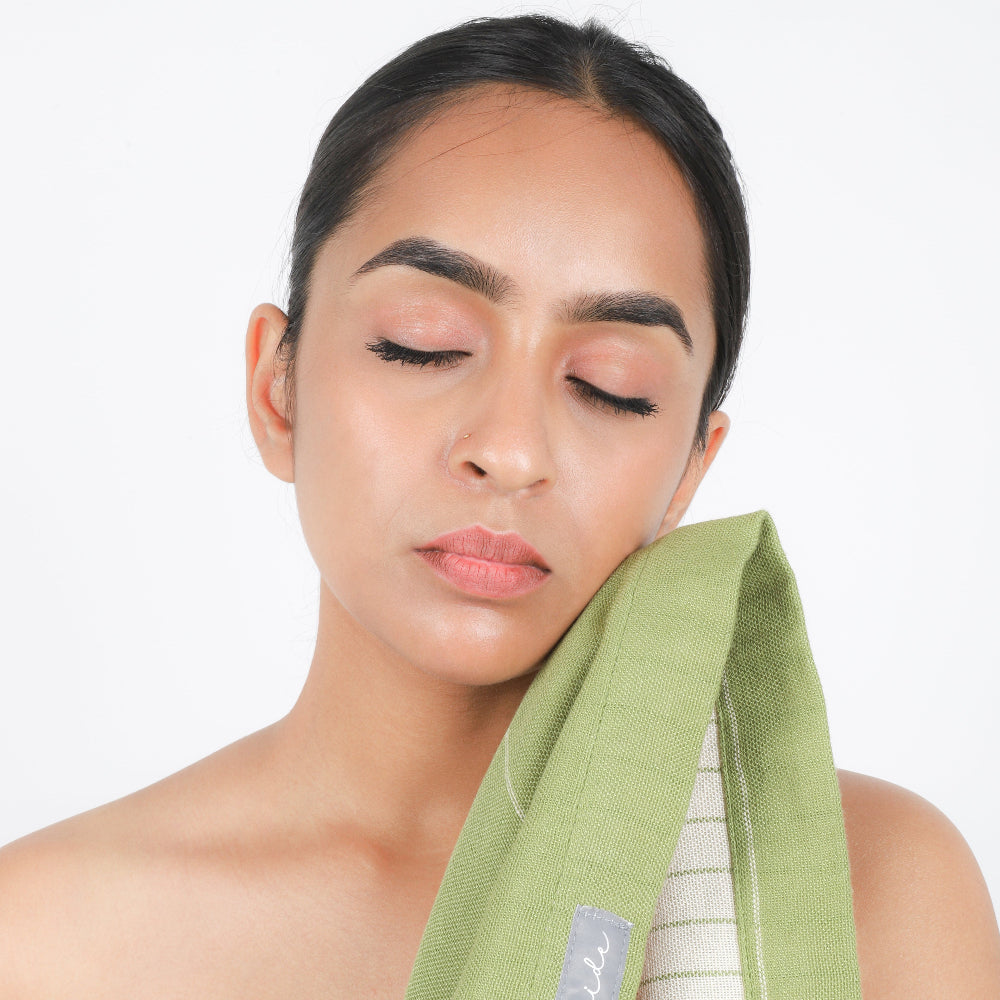
Face Towels preview
Top recommendation

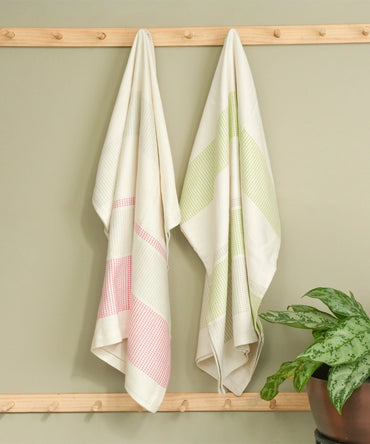
Face Towels

A relevant collection path for readers comparing towel hygiene.

View collection

Small Towels For Face may look like a minor upgrade, but the size of a towel can change how a routine actually works. A large towel gets reused because it seems wasteful to change it too often. It gets folded over to find a dry corner. It ends up drying hands, face, and whatever else happens to be nearby. A smaller towel often pushes people toward a different habit: one towel, one job, one easier rotation.

That matters more than it sounds. The face-drying step happens right after cleansing, when skin is damp, more reactive, and more likely to notice friction. If the towel touching the face is also the towel carrying the whole bathroom day on it, the routine stops feeling as clean and controlled as it should.

This is why Small Towels For Face deserve a proper skincare lens. The question is not whether smaller is automatically better. The question is whether a smaller towel makes it easier to build a dedicated face-only habit that feels fresher, gentler, and more consistent from one wash to the next.

For people with acne-prone or sensitive skin, that kind of consistency matters. A towel is not treatment. But it is part of the environment touching the skin every day, and daily contact shapes how routines feel.


The Problem They Didn’t Know They Had

Most people do not struggle because they chose the wrong towel once. They struggle because the towel habit stays vague. The towel by the sink gets reused for too long. The face gets dried with whatever section still feels dry. The same cloth touches hands, the face, and sometimes the counter without anyone thinking twice about it. Over time, the habit becomes more convenient than intentional.

That vagueness creates a problem for skin that already reacts easily. If the routine feels fine some days and rougher on others, people usually blame cleanser strength or weather before they blame the towel rotation. But a towel that is too big for the job often stays in circulation longer than it should, simply because it still looks usable.
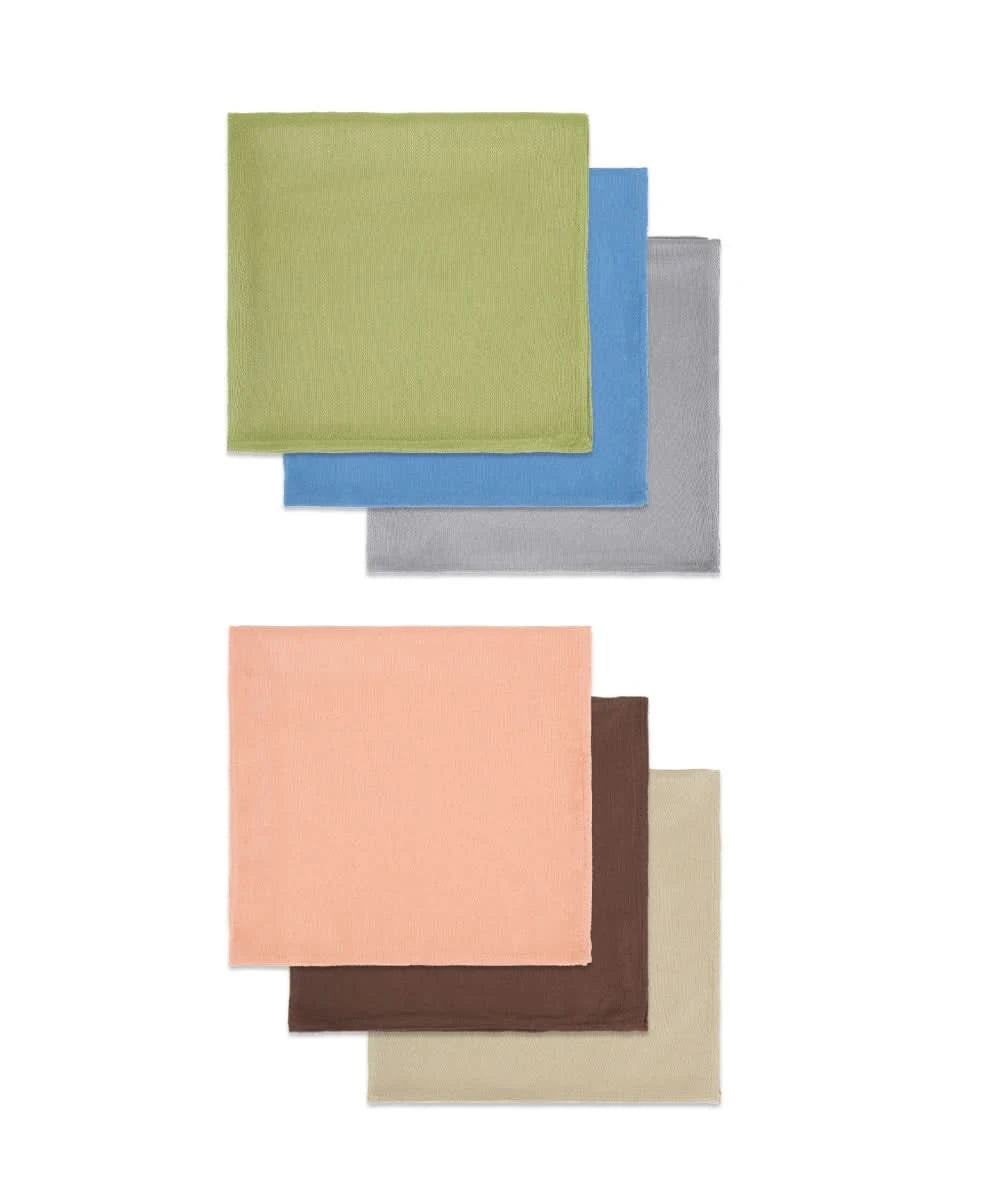
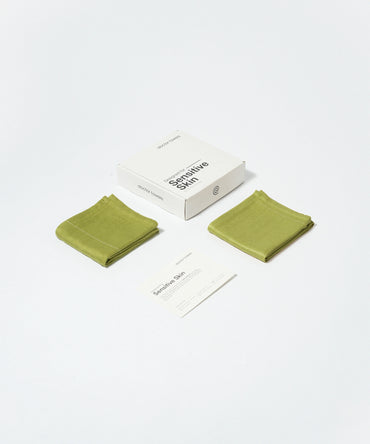
Doctor Towels Aluvera Handkerchief Pack preview
Middle recommendation

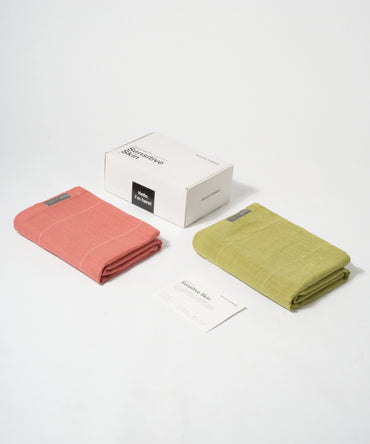
Doctor Towels Aluvera Handkerchief Pack

A relevant product path for readers comparing towel hygiene.

View product

Small Towels For Face can solve part of that by making the boundary clearer. A smaller towel naturally feels more specific. It is easier to dedicate to the face, easier to swap out, easier to keep in a clean stack, and less likely to turn into a shared bathroom cloth by accident.

That does not mean the size alone fixes the problem. It means the size can support a better habit. And for acne-prone or sensitive skin, better habits around friction and cleanliness are often what matter most.

Another overlooked part of the problem is decision fatigue. If every towel feels multi-purpose, people keep making small judgment calls about whether a towel is still okay for the face. A smaller dedicated towel reduces those judgment calls. It turns the routine into something simpler: this towel is for my face, it has a shorter rotation, and I do not need to debate whether it is still fresh enough.


The Science Behind The Problem

Dermatology guidance consistently favors gentle, non-abrasive skin handling. The American Academy of Dermatology warns that scrubbing can irritate acne-prone skin, and that principle extends beyond cleanser choice. The fabric touching the face after washing can either keep the routine gentle or reintroduce mechanical stress at the finish line.

PubMed reports on acne mechanica reinforce that friction, rubbing, and repeated pressure can aggravate acneiform eruptions. A towel does not have to be visibly rough to create a problem. If it is dragged across the same areas with pressure, used too aggressively on inflamed breakouts, or reused in a way that makes the cloth feel stale and less fresh, it can become part of the irritation picture.

This is where the size of the towel becomes practical rather than cosmetic. Small Towels For Face do not change skin biology, but they can change behavior. A smaller towel is easier to assign to one purpose, easier to wash and rotate more often, and easier to keep out of multi-use bathroom traffic. Those behavioral advantages are meaningful because skin care is full of repeated contact, not one-time decisions.

When a routine improves because the towel step becomes more dedicated and predictable, the improvement is not magical. It is mechanical and hygienic. That is exactly the kind of change sensitive skin tends to appreciate.


The Mechanisms - How It’s Actively Hurting You

Bigger Towels Stay In Use Longer Than People Expect

A large towel often looks serviceable long after it stops feeling ideal for the face. People keep finding a dry patch and telling themselves it is still fine. That extends the life of the towel in the routine, even when the cloth no longer feels fresh enough for repeated facial contact.

A Shared Towel Loses Its Face-Only Standard

Once a towel gets large enough to feel versatile, it starts doing extra jobs. It dries hands, catches drips, and becomes part of general bathroom traffic. That is a problem for facial skin because the towel stops being a dedicated tool and becomes a shared surface.

Reaching For A Dry Corner Encourages More Rubbing

When someone is trying to find the “clean” or dry part of a larger towel, the drying motion often becomes less deliberate. The towel gets dragged, flipped, and rubbed across the face more than necessary. That adds extra mechanical contact to a step that should be quiet and controlled.

Inconsistent Towel Habits Make Skin Harder To Read

If the towel changes in freshness, pressure, and contact pattern from one use to the next, the routine becomes harder to interpret. Someone may think a new product is breaking them out when the actual difference is that the towel step has become rougher, damper, or less dedicated over time.


Customer Language - What Real People Were Dealing With

The face towel problem usually shows up in plain language. People say, “my routine was fine except my towel felt rough on active breakouts,” or “my skin feels irritated after drying my face,” or “I wanted a towel that felt like it belonged in my skincare routine.” Those are not product-review cliches. They are descriptions of a contact problem.

There is also a strong convenience theme in how people talk about towels. Many are not looking for something dramatic. They want something easier to keep clean. They want a towel that does not feel oversized for the face. They want a stack they can rotate without thinking too hard. That is why Small Towels For Face have such a practical appeal. The size itself becomes a routine tool.

Another common frustration is the feeling that the towel by the sink is never obviously dirty enough to throw into the wash, but never quite fresh enough to feel ideal on the skin. That middle zone is where a lot of face-drying routines quietly go wrong. A smaller towel helps because it makes replacement feel normal rather than excessive.

In skincare terms, that is useful because anything that makes a good habit easier to repeat has real routine value. People do not need a towel system that feels perfect on paper and impossible in daily life. They need one that fits mornings, evenings, rushed schedules, shared bathrooms, and the reality that the face towel will only stay skin-friendly if it is easy to manage.


Actionable Habits - What To Actually Do

1. Keep A Separate Stack Just For The Face

If you use Small Towels For Face, let them stay face-only. Do not mix them into the general bathroom towel cycle. A dedicated stack makes rotation easier and removes guesswork from the routine.

2. Change The Towel Before It Feels Questionable

Do not wait for obvious odor or visible buildup. If the towel feels damp, flattened, or no longer fully fresh, swap it out. Smaller towels work best when they make earlier replacement easy, not when they are stretched into longer use.

3. Pat In Sections Instead Of Dragging The Towel Around

Use the towel to press and lift moisture away from the forehead, cheeks, chin, and jawline. The smaller format makes that easier because it encourages more deliberate movements instead of broad rubbing.

4. Avoid Letting A Face Towel Drift Into Hand-Towel Duty

Once a face towel starts drying hands or cleaning up sink water, it stops being a dedicated face tool. Protect the boundary. That one habit does a lot of the work.

5. Use Size To Support Hygiene, Not To Replace Hygiene

Small Towels For Face are helpful because they make good habits easier, not because small fabric is somehow inherently skin-saving. If you are also working on how to keep towels fresh without washing daily, the main takeaway is the same: airflow, rotation, and intentional use still matter.

6. Escalate To Dermatology Care If Skin Remains Reactive

If acne, redness, or ongoing irritation keeps returning, get professional advice. A better towel habit can reduce one routine stressor, but it cannot replace an expert evaluation.


Why Doctor Towels Was Built For This

Doctor Towels is positioned as a skincare-first towel brand, which makes sense in the context of Small Towels For Face. The face-drying step is often treated like the least important part of the routine even though it happens after every cleanse. A brand built around the idea that this step deserves more intention fits that problem well.

The product role should still stay modest and clear. Doctor Towels is not presented as a cure for acne or sensitivity. It is part of a gentler routine. That means treating the towel like a skincare tool: keeping it dedicated, using it with less friction, and making it easier to rotate before it starts feeling stale.

Readers who want to review the brand’s own materials can look at the Doctor Towels research page and testing report. But the bigger lesson is routine design. A towel that is easier to keep face-only, fresh, and deliberate is often a better fit for sensitive or acne-prone skin than one oversized cloth that tries to do everything.

That is what makes the size conversation meaningful. The size supports the habit, and the habit supports the skin.


The Bottom Line

Small Towels For Face can be useful because they make a dedicated face-drying routine easier to maintain. They encourage faster rotation, clearer separation from hand towels, and more deliberate drying with less rubbing. Those are practical advantages, not marketing abstractions.

If your skin often feels worse after drying than it did after washing, the towel step may be one of the easiest parts of the routine to improve. Choose a smaller face-only towel, rotate it sooner, and treat the drying step like it counts.

The towel does not need to be the star of your skincare routine. It just needs to stop quietly making the routine harder on your skin.


Medical Sources & Further Reading

  • American Academy of Dermatology - How to treat acne - https://www.aad.org/news/how-to-treat-acne
  • American Academy of Dermatology - DIY acne treatment - https://www.aad.org/public/diseases/acne/diy
  • PubMed - Acne mechanica - https://pubmed.ncbi.nlm.nih.gov/123732/
  • PubMed - Inner thigh friction as a cause of acne mechanica - https://pubmed.ncbi.nlm.nih.gov/30883890/
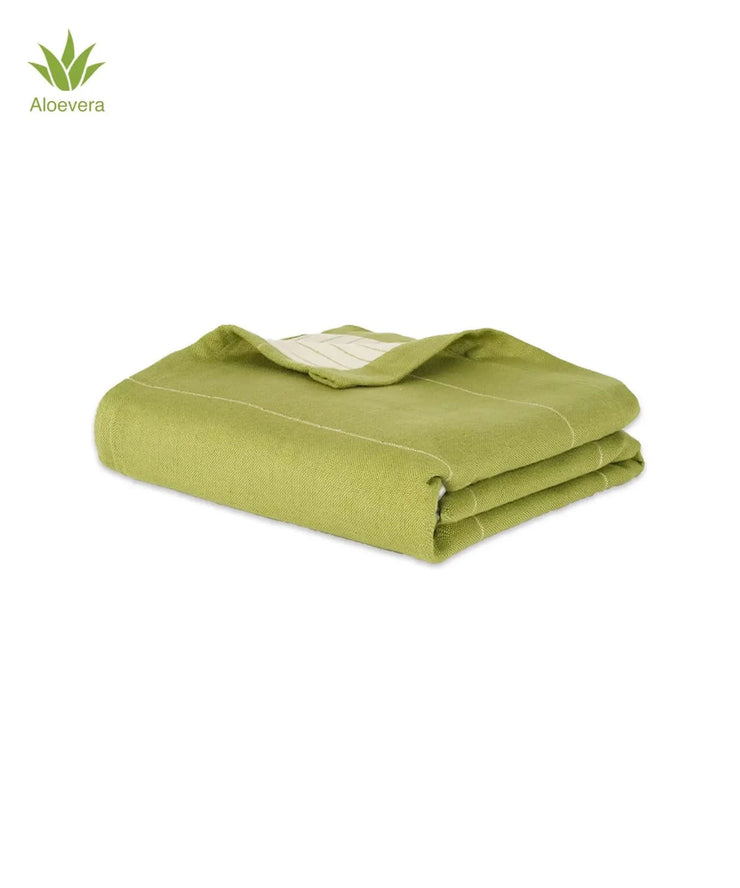
Sensitive Skin Towels preview
Bottom recommendation

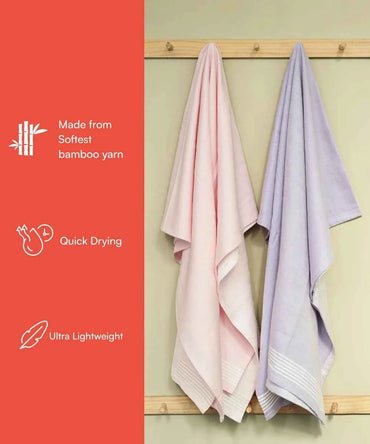
Sensitive Skin Towels

A relevant collection path for readers comparing towel hygiene.

View collection
Face TowelsView

Towels For Face: What Actually Makes A Face-Drying Towel Better For Sensitive Or Acne-Prone Skin

Face Towels Acne

Towels For Face: What Actually Makes A Face-Drying Towel Better For Sensitive Or Acne-Prone Skin

Towels For Face are not only about softness. The better question is whether the towel helps your skin feel calmer after cleansing instead of more irritated.

Doctor Towels Acne-Reduction Pack preview
Top recommendation

Doctor Towels Acne-Reduction Pack

A relevant product path for readers comparing face towels & acne.

View product

Towels For Face sound like a simple shopping category, but the real issue is not whether a towel looks small or soft on a product page. The real issue is what happens in the few seconds after cleansing, when your skin is damp, more exposed, and about to meet fabric. That is where a Face Towel can either support your routine or quietly make it feel rougher, dirtier, and less predictable.

People with acne-prone or sensitive skin usually spend far more time thinking about cleansers, serums, and sunscreen than they spend thinking about the towel step. That is understandable. A towel does not feel like a skin-care product. But it is still a repeated contact surface, and repeated contact surfaces matter. If your skin often feels tight, hot, or irritated after drying, the towel deserves more scrutiny than it usually gets.

This is why Towels For Face should be evaluated like part of a routine, not like a generic bathroom extra. A better towel is not a cure. It does not replace dermatology care, and it does not fix acne by itself. What it can do is make the final step after cleansing gentler, cleaner-feeling, and more consistent.


The Problem They Didn’t Know They Had

Many people start troubleshooting the wrong end of the routine. They change cleanser, cut out actives, add barrier creams, or blame the weather. Meanwhile, the same towel keeps touching the face two or three times a day with almost no attention paid to how it feels, how often it is rotated, or whether it has become the roughest part of the whole routine.

That blind spot makes sense because towels feel ordinary. They live next to the sink, they dry water, and they do not ask to be noticed. But for acne-prone and sensitive skin, ordinary contact is still contact. If the towel is rubbed across active breakouts, reused while still damp, or used for the face after doing three other jobs in the bathroom, it stops being neutral.

This is where people start saying things like, “my skin feels irritated after drying my face,” or “using the same face towel every day made my skin feel gross,” or “I never thought my towel could be part of the problem.” That customer language matters because it describes a routine mismatch. The skin may already be working hard to stay calm. The towel step can either respect that or keep stressing it.

Face Towels preview
Middle recommendation

Face Towels

A relevant collection path for readers comparing face towels & acne.

View collection

When people search for Towels For Face, they are often trying to solve exactly that mismatch. They may not be asking a medical question. They are asking a habit question: what kind of towel belongs in a skincare routine instead of just a bathroom routine?


The Science Behind The Problem

The dermatology logic is straightforward. The American Academy of Dermatology advises people with acne to avoid scrubbing and to keep care gentle and non-abrasive. That guidance is not limited to cleansers. It also applies to what touches the skin after cleansing, especially when the face has just been washed and is more vulnerable to mechanical irritation.

PubMed literature on acne mechanica adds another layer. Friction, pressure, rubbing, and occlusion can aggravate acneiform eruptions. A towel is not the same as a helmet strap or tight athletic gear, but the underlying concept still matters. Repeated mechanical stress can influence how skin feels, especially when a person already has inflamed breakouts, barrier sensitivity, or a habit of drying too aggressively.

This is why a good Face Towel should be judged on more than absorbency. The towel has to work with the skin, not against it. A rougher surface, a rushed rubbing motion, or a towel that never feels fully fresh between uses can all make the post-cleanse step less controlled than people think.

The skin does not need a miracle textile. It needs fewer unnecessary stressors. That is the right way to think about Towels For Face. The better option is the one that reduces friction, stays more intentional in use, and makes it easier to keep the face-drying step clean and calm.


The Mechanisms - How It’s Actively Hurting You

Friction Turns Drying Into Another Irritation Event

People often wash carefully and then undo some of that care by drying too aggressively. The towel gets pulled across the cheeks, nose, jawline, and chin in quick strokes because it feels faster. On already reactive skin, that repeated rubbing can leave the face looking redder or feeling hotter than it did right after washing.

A Multi-Use Towel Picks Up More Than People Realize

Many Face Towels are not truly face-only. They dry hands, wipe water from the counter, catch product drips, or get reused later in the day without much thought. That does not make them dangerous, but it does mean they carry more residue and more contact history than a dedicated towel would.

Dampness Changes The Feel Of The Towel

A towel that hangs in a humid bathroom can stay slightly wet longer than people expect. Even if it does not smell bad, it may still feel flat, cool, or stale on the skin. That kind of towel usually does not give the face the clean, fresh finish people think they are getting.

The Wrong Towel Habit Makes The Whole Routine Feel Less Predictable

When someone says their skincare routine feels inconsistent, the towel step may be part of the reason. If the face gets a different level of friction, freshness, and pressure every time it is dried, the routine becomes harder to read. That makes it tougher to know whether the actual issue is the cleanser, the treatment, or the fabric touching the skin after both.


Customer Language - What Real People Were Dealing With

People rarely describe this problem in technical terms first. They usually notice it as discomfort. Their face feels more irritated after drying. Their cheeks look flushed after washing even when the cleanser seems fine. A breakout feels calmer after cleansing but angrier after the towel touches it. Those are not dramatic observations. They are the kinds of small routine clues that matter.

The customer language in the Doctor Towels source library captures that clearly: “my face towel was giving me jawline acne,” “my skin feels irritated after drying my face,” and “I wanted a towel that felt like it belonged in my skincare routine.” These lines are useful because they frame the towel as part of a pattern, not a standalone villain.

There is also a recurring emotional pattern here. People feel frustrated because they are trying to do everything right. They use gentler cleansers. They stop scrubbing. They simplify products. Then a simple bathroom habit keeps pulling the routine backward. That is why Towels For Face can become such a meaningful search topic. The person is not only shopping. They are trying to remove one more invisible source of irritation from a routine that already asks a lot of their skin.

In other words, the towel problem often feels small until it repeats enough times to become obvious.


Actionable Habits - What To Actually Do

1. Use A Dedicated Face Towel

Give your Face Towel one job. If the same cloth is drying hands, wiping counters, and touching your face, it is doing too much. A dedicated towel helps keep the face-drying step more controlled and easier to evaluate.

2. Pat Dry Instead Of Rubbing

Press and lift water off the skin instead of dragging the towel across it. This is one of the easiest ways to reduce friction without buying anything new. It is also more aligned with dermatology advice for acne-prone and sensitive skin.

3. Rotate Towels Before They Feel Off

Do not wait for a towel to smell obviously bad. If it feels damp, heavy, flattened, or not fully fresh, swap it out. A better face-drying routine is often about earlier rotation, not only more washing.

4. Notice How Your Skin Feels After The Towel Step

Pay attention to the difference between how your skin feels after cleansing and how it feels after drying. If the discomfort shows up after the towel, that tells you where to focus next.

5. Build Your Towel Choice Around Skin Behavior, Not Only Fabric Marketing

Many people compare Towels For Face, Small Towels For Face, and other product labels as if the label alone determines whether the towel is skin-friendly. It does not. The habit matters just as much. If you are also thinking about towels for sensitive skin, the best choice is the one that helps you keep drying gentle, intentional, and fresh.

6. See A Dermatology Professional For Persistent Acne Or Irritation

If breakouts, stinging, or ongoing redness continue despite gentler habits, get professional help. A towel can affect the routine, but it cannot diagnose what is driving your skin concerns.


Why Doctor Towels Was Built For This

Doctor Towels is positioned as a skincare-first towel brand, which makes the face-drying step part of the skin-care conversation rather than an afterthought. That framing matters because a towel is still part of the environment touching the skin every day. If the goal is a calmer routine, the towel should make sense alongside cleanser, moisturizer, and barrier-aware habits.

The product conversation should stay careful and grounded. Doctor Towels is not a cure for acne or sensitivity. It is a towel brand built around the idea that the drying step deserves more attention than it usually gets. For readers looking at Towels For Face, that is a useful shift. It moves the discussion away from hype and toward routine design.

Readers who want the brand’s own materials can also review the Doctor Towels research page and testing report. The more important point, though, is how the towel fits into daily habits: lower-friction drying, a more intentional face-only rotation, and a routine that feels more skincare-aware from start to finish.

That is the right level of product role for educational content. The towel is part of the routine, not the whole answer.


The Bottom Line

Towels For Face are worth taking seriously because the towel step happens right after cleansing, when the skin is more exposed and easier to irritate. A better face towel is not only softer. It is used more intentionally, rotated sooner, and handled in a way that adds less friction to the skin.

If your routine still feels harsher than it should, the towel may be one of the easiest variables to fix. Use a dedicated Face Towel, pat instead of rubbing, and stop treating the towel like the invisible part of the routine. Small changes there can make the whole routine feel cleaner, calmer, and easier to trust.

That perspective shift is what matters most. The towel is not outside skincare. It is part of skincare whenever it touches your face.


Medical Sources & Further Reading

  • American Academy of Dermatology - How to treat acne - https://www.aad.org/news/how-to-treat-acne
  • American Academy of Dermatology - DIY acne treatment - https://www.aad.org/public/diseases/acne/diy
  • PubMed - Acne mechanica - https://pubmed.ncbi.nlm.nih.gov/123732/
  • PubMed - Inner thigh friction as a cause of acne mechanica - https://pubmed.ncbi.nlm.nih.gov/30883890/
Doctor Towels Acne-Reduction Pack preview
Bottom recommendation

Doctor Towels Acne-Reduction Pack

A relevant product path for readers comparing face towels & acne.

View product
Doctor Towels Acne-Reduction PackView

Bathroom Face Towels: The Hygiene Shortcut That Can Follow You Into Your Skincare Routine

Towel Hygiene

Bathroom Face Towels: The Hygiene Shortcut That Can Follow You Into Your Skincare Routine

Bathroom Face Towels seem harmless because they live near the sink, but where and how they dry can quietly change how your skin feels after cleansing.

Face Towels preview
Top recommendation

Face Towels

A relevant collection path for readers comparing towel hygiene.

View collection

Bathroom Face Towels usually feel like the cleanest towels in the house. They live near the sink, get used after face washing, and often look fine between uses. That visual familiarity is part of the problem. When a towel hangs in the bathroom every day, it starts to feel automatically safe for the skin even when the routine around it is not especially thoughtful.

For people with acne-prone or sensitive skin, the face-drying step deserves more scrutiny than that. The skin is freshly cleansed, sometimes damp from warm water, sometimes exposed to actives, and often more reactive than it was a few minutes earlier. At that moment, a Face Towel is not just a bathroom accessory. It is the final tool touching the skin before moisturizer, treatment, or sunscreen.

That is why Bathroom Face Towels deserve an educational reset. The issue is not that a towel hanging in a bathroom is inherently bad. The issue is that bathroom habits can make the towel less skin-friendly over time. Moisture lingers. Hands touch it. The same cloth gets reused for several routines. The towel may be soft enough in theory but still encourage too much rubbing in practice.

For people comparing Bathroom Face Towels, Towels For Face, or even Small Towels For Face, the real decision should not be only about size or absorbency. It should also be about hygiene, friction, and whether the towel supports a calmer skincare routine.

The Problem They Didn’t Know They Had

Most people troubleshoot their skincare in the obvious order. They review cleanser, moisturizer, sunscreen, diet, sleep, and actives. If the skin feels worse after washing, they usually assume the face product is too strong or the weather changed. The towel rarely gets questioned first.

That blind spot is understandable. A Face Towel looks passive. It sits there. It dries water. It does not feel like a product. But repeated towel contact is still repeated contact. If the skin feels tight, hot, more irritated, or more breakout-prone after drying than after cleansing, the towel step belongs in the conversation.

Sensitive Skin Towels preview
Middle recommendation

Sensitive Skin Towels

A relevant collection path for readers comparing towel hygiene.

View collection

Bathroom routines create a few specific problems. The towel may stay in a humid room and dry slowly. It may be touched by hands before and after cleansing. It may be used on the face, then on wet hands, then on the face again later. It may also become the cloth people reach for automatically, even when it no longer feels truly fresh.

This is especially relevant when shoppers search for Bathroom Face Towels because they are trying to make the face-drying step more intentional. They often already sense that not every towel belongs on facial skin. They may not use words like skin barrier or acne mechanica, but they recognize a routine mismatch.

The Science Behind The Problem

Official dermatology guidance repeatedly favors gentler drying, not more aggressive drying. The American Academy of Dermatology advises people with acne-prone skin to avoid scrubbing because abrasion can irritate the skin. Dermatologists also recommend patting dry with a clean towel rather than rubbing, especially when skin is dry, sensitive, or easily irritated.

That matters because the towel step is mechanical. Even a clean towel can create friction if it is dragged over the skin with pressure. PubMed literature on acne mechanica describes how pressure, friction, rubbing, and occlusion can aggravate acneiform eruptions. A bathroom towel is not the same as sports gear or tight clothing, but the underlying principle still applies: repeated mechanical stress can become part of the irritation picture.

There is also a freshness issue that is less dramatic but still practical. A towel hanging in a humid bathroom can stay damp longer than people expect. It can also pick up residue from cleansers, skin oils, makeup removal, and repeated hand contact. None of that means the towel is automatically unsafe. It means the towel is not neutral forever just because it still looks clean from across the room.

This is why Towels For Face need a different standard than ordinary bathroom towels. The skin on the face is more visible, often more reactive, and more likely to show irritation quickly. The towel used there should support that reality.

The Mechanisms - How It’s Actively Hurting You

Slow Drying Changes How The Towel Feels On Skin

Bathrooms are full of heat and humidity. After showers, sink use, and regular hand washing, the room can stay moist longer than people think. A towel that never fully dries between uses often feels heavier, flatter, or slightly stale even when it is not obviously dirty.

For the skin, that matters because the post-cleanse step works best when the towel feels fresh and dry, not half-recovered from the last use. A towel that stays damp can make the routine feel less crisp, and that matters more on the face than on most other body areas.

Repeated Hand Contact Adds More Residue Than People Notice

Bathroom Face Towels are often used after washing hands, before skin care, after rinsing the face, or while applying products. That means the same towel may collect water, oil, cleanser residue, and whatever else is still on the hands during the routine. Over time, the cloth becomes a catch-all.

Again, the point is not fear. The point is clarity. The more a towel does, the less dedicated it becomes to one job. Sensitive or acne-prone skin usually does better when the Face Towel has a narrow job and a cleaner rotation.

Bigger Or Rougher Towels Invite Rubbing

Some people buy Towels For Face with the right intention but still use them like body towels. They scrub quickly because they are in a hurry. They drag the towel across the cheeks, nose, and jawline because that is how most people learned to dry off. The problem is not only the fabric. It is the movement.

AAD guidance on dry skin and acne both point toward gentler handling. Patting gives the skin less friction than rubbing. That matters whether the issue is dryness, visible irritation, or active breakouts.

The Towel Can Reintroduce The Wrong Things At The Wrong Time

The face is often freshly washed right before treatment serums, moisturizers, or acne products go on. If the towel used in that moment is carrying yesterday’s dampness, cleanser traces, or residue from repeated bathroom use, the routine becomes less controlled. That does not guarantee a breakout or a flare. It just adds more noise to a step that should feel clean and predictable.

Small Towels For Face can help here because they make it easier to assign one towel to one purpose. But size alone is not the answer. The routine still matters.

Customer Language - What Real People Were Dealing With

People usually describe this problem in everyday terms. They say, “my skin feels irritated after drying my face,” or “using the same face towel every day made my skin feel gross,” or “my routine was fine except my towel felt rough on active breakouts.” That language appears all over skincare forums because the towel issue is felt before it is explained.

Another common pattern is confusion. Someone buys a better cleanser, washes carefully, and still feels like the skin looks redder after the routine. Or they notice that the towel by the sink always seems a little damp but keep using it because it is convenient. They are not making a reckless choice. They are just treating the towel as invisible.

That is why Bathroom Face Towels are such a useful content topic. They let people understand why a normal bathroom habit can feel out of sync with a skincare-aware routine. The towel may not be the whole problem, but it can absolutely be part of the problem.

Actionable Habits - What To Actually Do

1. Give Your Face Towel One Job

If possible, use a Face Towel only for your face. Do not let it become the cloth for wet hands, cleanup, or post-shower body drying. A towel with one job is easier to keep in a better state for skin contact.

2. Rotate Bathroom Face Towels More Often

Do not wait for the towel to smell obviously off. If it still feels damp, flattened, or not fully fresh, swap it out. Frequent rotation matters more than trying to guess whether one more use is still fine.

3. Let The Towel Dry Fully Between Uses

Spread the towel out rather than bunching it on a hook. Airflow matters. If your bathroom stays humid, be extra aware of whether the towel is actually drying. A cleaner-feeling routine usually starts with a drier towel.

4. Pat Instead Of Scrub

Press and lift water off the skin. Do not drag the towel across active breakouts or dry patches. This is one of the simplest ways to reduce friction without changing anything else in the routine.

5. Compare How Your Skin Feels When The Towel Changes

If you are troubleshooting irritation or breakouts, change the towel variable on purpose for one week. Use a fresh face-only towel more often, keep it dry between uses, and pat instead of rubbing. If you are also working through how to keep towels fresh without washing daily, this is the practical test that tells you whether your bathroom towel habits are helping or getting in the way.

6. Get Professional Care For Persistent Acne Or Irritation

If breakouts, stinging, redness, or dryness keep showing up despite gentler habits, talk with a dermatologist. A towel can influence the routine, but it cannot diagnose the skin.

Why Doctor Towels Was Built For This

Doctor Towels is positioned as a skincare-first towel brand, which is exactly the right frame for Bathroom Face Towels. The content point is not that ordinary towels are disastrous. The content point is that the face-drying step deserves the same thoughtful standard as the rest of a skincare routine.

That matters for readers searching Towels For Face because they are often looking for a better habit, not just a different fabric. They want lower-friction drying, a cleaner-feeling routine, and a towel that makes sense next to cleanser and moisturizer instead of behaving like a leftover bathroom cloth.

The brand should still be described carefully. Doctor Towels is not a cure for acne, irritation, or sensitivity. It is part of a gentle routine. That education-first framing is what keeps the product discussion useful and credible.

The Bottom Line

Bathroom Face Towels are easy to overlook because they look normal. But what matters is not only how they look. It is how they dry, how often they are rotated, how many jobs they do, and how much friction they create on the skin after cleansing.

If you want a gentler routine, treat the towel step like it counts. Use a dedicated Face Towel, rotate it more often, let it dry fully, and pat instead of rubbing. Those are small habits, but the face-drying step is a small habit that repeats every day. That is exactly why it can change how your skin feels.

Medical Sources & Further Reading

  • American Academy of Dermatology - How to treat acne - https://www.aad.org/news/how-to-treat-acne
  • American Academy of Dermatology - DIY acne treatment - https://www.aad.org/public/diseases/acne/diy
  • American Academy of Dermatology - Dermatologists’ top tips for relieving dry skin - https://www.aad.org/diseases/a-z/dry-skin-self-care
  • PubMed - Acne mechanica - https://pubmed.ncbi.nlm.nih.gov/123732/
Doctor Towels Aluvera Handkerchief Pack preview
Bottom recommendation

Doctor Towels Aluvera Handkerchief Pack

A relevant product path for readers comparing towel hygiene.

View product
Face TowelsView

Baby Towels: The Skin-Contact Step Parents Often Overlook After Bath Time

Baby Towels

Baby Towels: The Skin-Contact Step Parents Often Overlook After Bath Time

Baby Towels are usually chosen for softness and cuteness, but the real question is whether the drying step stays gentle enough for delicate skin.

Sensitive Skin Towels preview
Top recommendation

Sensitive Skin Towels

A relevant collection path for readers comparing baby towels.

View collection

Baby Towels usually get bought for obvious reasons. Parents want something soft, absorbent, easy to reach after bath time, and simple to rotate through the laundry. What gets less attention is what the towel is actually doing in the few minutes after a bath. It is the first fabric touching skin that is warm, damp, and more vulnerable than usual.

That matters because baby skin does not react like adult skin. It loses moisture faster, gets irritated more easily, and can flare when routine steps become rough without anyone meaning them to. Parents often focus on soap, shampoo, lotion, and diaper products. The drying step feels too ordinary to question. But if the towel is scratchy, reused while still damp, heavily scented from laundry products, or rubbed quickly over the skin, it can become one more avoidable stressor.

This is where a skincare-first reading of Baby Towels becomes useful. The goal is not to turn bath time into a stressful checklist. The goal is to make the final step gentler. A towel is not treatment. It does not cure eczema, baby rash, or dryness. But it is a repeated contact surface, and repeated contact surfaces shape how skin feels day after day.

For families already thinking about baby skin towel safety, the towel conversation belongs in the same category as lukewarm baths, gentle cleansers, and fast moisturizing. It is part of the environment around the skin.

The Problem They Didn’t Know They Had

Most parents notice the obvious triggers first. Maybe the room feels too dry. Maybe the soap seems too strong. Maybe the cheeks look redder in winter. Maybe there is a rough patch behind the knees, on the arms, or along the jawline. Those patterns push attention toward products and weather, which makes sense.

What often gets missed is how much friction can happen in the thirty seconds after the bath. A baby comes out of warm water with softened skin. The towel goes on fast because the room feels cold, the child is moving, and everyone wants to get to pajamas and moisturizer. Even gentle parents can slip into rubbing, bunching the towel into folds, or using whatever towel is closest because bath time is already busy.

Baby Towels preview
Middle recommendation

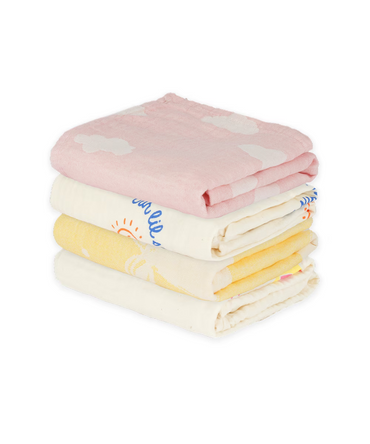
Baby Towels

A relevant collection path for readers comparing baby towels.

View collection

That is why Baby Towels deserve a different lens. They are not only about absorbency. They are about the way the towel moves across delicate skin. A towel that feels harmless in the hand can still become too aggressive when it is dragged over damp cheeks, neck folds, or areas that already flare easily. If the towel was hanging in a humid bathroom and never fully dried, or if it carries strong detergent residue, the drying step can feel less skin-friendly before moisturizer even goes on.

Parents usually do not describe this as a textile problem. They say things like, “my baby’s skin looks more irritated after bath time,” or “the dry patches seem worse after drying off,” or “I thought I was being gentle, but the towel still felt rough.” That kind of language is practical. It points to a routine problem, not a diagnosis. And routine problems are exactly where towel habits matter.

The Science Behind The Problem

Official skin-care guidance for babies and children repeatedly comes back to the same themes: keep baths short, use lukewarm water, avoid scrubbing, and moisturize quickly afterward. The American Academy of Dermatology says babies with eczema benefit from a customized skin-care routine that avoids scrubbing and reduces triggers. The American Academy of Pediatrics also advises parents to pat dry with a soft cotton towel instead of rubbing, because rubbing can irritate sensitive skin and strip more surface oils.

That guidance lines up with a basic skin-barrier reality. Baby skin is thinner and more delicate than adult skin. It can lose moisture faster and become irritated with less force. A drying step that seems fast and efficient to an adult can be too much for a child whose skin is already dry, eczema-prone, or reactive from heat, detergent residue, saliva, or seasonal air changes.

The towel itself is not automatically the problem. The problem is how the towel is used and what condition it is in when it touches the skin. A soft towel that is used gently, washed thoughtfully, and rotated often fits the routine better than a towel that gets rubbed hard over the body, left damp in the bathroom, and reused without much thought.

That is also why baby skin towel safety should not be understood as a single product claim. It is a routine concept. The skin does better when bath time, drying, and moisturizing work together instead of fighting each other.

The Mechanisms - How It’s Actively Hurting You

Rubbing Can Add Unnecessary Friction To Delicate Skin

When parents are moving fast, drying often becomes rubbing. That is understandable. Rubbing seems quicker, and babies do not always stay still. But repeated friction can make delicate skin feel hotter, tighter, or rougher, especially where the barrier is already compromised. Areas like the cheeks, neck folds, chest, behind the knees, and around the elbows may react first because they are already prone to irritation.

Patting dry feels slower, but it changes the whole skin experience. The towel removes water without dragging fibers across the same spots again and again. That one shift can make the routine feel calmer.

Damp Towels Can Stay In The Routine Longer Than They Should

A towel that never fully dries can still look usable. It may not smell obviously bad. It may not seem dirty. But a damp towel tends to hold onto yesterday’s moisture, product traces, and that slightly stale bathroom feel that many parents recognize the moment they pick it up. For baby skin, that is not ideal.

The issue is not that every damp towel causes a flare. The issue is that delicate skin benefits from fewer uncontrolled variables. If a towel feels cool, heavy, or not fully fresh before it touches the baby, the drying step is already working with a disadvantage.

Laundry Residue Can Matter More Than Parents Expect

Sometimes the towel problem is not the fabric alone. It is what stays on the fabric. Fragranced detergents, strong boosters, and softeners can leave a residue that adults barely notice but more reactive skin may not love. Parents often troubleshoot soap and lotion before they think about the towel coming out of the wash.

This is one reason Baby Towels should stay simple. A cleaner laundry routine gives the skin fewer things to react to and makes it easier to spot whether the real issue is friction, dryness, or another trigger.

One Towel Doing Every Job Blurs Contact Zones

Some homes have a separate towel stack just for the baby. Others do not. A towel used for the body one day and for the face the next, or one towel used on hair, cheeks, and folds in the same drying pass, creates more cross-contact than parents intend. That is not a crisis. It is just less controlled.

The more sensitive the skin, the more helpful it becomes to give towels clear jobs. A towel used for delicate post-bath drying should stay in that lane.

Customer Language - What Real People Were Dealing With

Parents rarely talk about barrier function first. They talk about what they can see. The cheeks look blotchy after the bath. A dry patch seems angrier after toweling off. The baby scratches more once pajamas are on. The towel looked soft, but the skin still seemed uncomfortable.

That is why the most useful customer language is not highly technical. It sounds more like, “I thought the soap was the problem, but the towel felt rough too,” or “my baby’s skin gets red right after I dry them,” or “I wanted something that felt gentle enough for bath time every day.” These are routine observations, not overreactions.

The Doctor Towels source library also reflects a bigger theme: people want fabrics that feel like they belong in a skin-care routine, not just a bathroom routine. For babies, that instinct becomes even stronger. Parents do not want a towel that is merely cute, thick, or absorbent. They want one that supports a calmer finish to bath time.

There is also a common emotional pattern here. If a baby already has dry or eczema-prone skin, every step can start to feel high stakes. Parents become cautious about cleansers, temperatures, lotions, and fabrics. The towel step matters because it happens right between water exposure and moisturizing. If that step becomes rough, it can undo some of the care that came before it.

Actionable Habits - What To Actually Do

1. Pat Dry Instead Of Rubbing

Use Baby Towels to press and lift water off the skin rather than rubbing in long strokes. Start with the cheeks, neck, folds, and torso where skin can be more reactive. Patting is gentler, more controlled, and better aligned with official guidance for delicate or eczema-prone skin.

2. Keep A Small Rotation Of Dedicated Baby Towels

It helps to have enough towels that you are never forced to reuse one that still feels damp. A small rotation makes bath time easier and keeps the drying step more predictable. If the towel feels heavy, cool, or stale before use, swap it out.

3. Simplify The Laundry Routine

If your child seems reactive, look at the wash routine as well as the towel itself. Fragrance-free detergent and a well-rinsed towel can reduce unnecessary variables. The goal is not perfection. The goal is fewer things sitting on the fabric before it touches delicate skin.

4. Moisturize While The Skin Is Still Slightly Damp

The towel is only half the post-bath step. Once the skin is gently dried, move into moisturizer quickly. That sequence is consistent with pediatric and dermatology guidance for dry or eczema-prone skin and makes the towel part of a complete routine rather than an isolated product decision.

5. Watch For Repeating Patterns, Not One Bad Bath

If redness, roughness, or post-bath discomfort keeps showing up, look at the whole chain. Bath length, water temperature, cleanser, moisturizer timing, and towel friction all matter together. If you are already exploring towels for sensitive skin, the same principle applies here: the fabric step should support comfort, not become another hidden trigger.

6. Ask A Pediatrician Or Dermatologist About Persistent Symptoms

If a baby has ongoing rash, oozing, cracking, obvious discomfort, or eczema that keeps flaring, get professional guidance. A towel can be part of the routine, but it is not a substitute for medical evaluation.

Why Doctor Towels Was Built For This

Doctor Towels is positioned as a skincare-first towel brand, which makes the drying step part of the skin conversation instead of leaving it as an afterthought. That positioning is relevant for Baby Towels because parents are not only buying absorbency. They are buying a daily contact surface that should fit into a gentler routine.

The brand point should stay clear and modest. Doctor Towels is not presented as a cure for eczema, dryness, or baby rashes. It is presented as part of a gentle skincare routine, where lower-friction fabric choices and more intentional drying habits make practical sense. That is exactly the level of product coverage that delicate-skin content needs.

For families thinking about baby skin towel safety, that framing is more useful than hype. The towel belongs in the same routine logic as a mild cleanser, a short lukewarm bath, and prompt moisturizing. It is one step. But it is a step that happens every day, and daily steps deserve better tools.

The Bottom Line

Baby Towels matter because bath time does not end when the water turns off. The drying step is still part of skin care. If the towel rubs too hard, stays damp too long, carries irritating laundry residue, or gets treated like a generic bathroom fabric, delicate skin may feel it.

The practical answer is simple. Choose Baby Towels that fit a gentler routine, pat dry instead of rubbing, rotate towels before they feel stale, simplify the laundry routine, and moisturize quickly after the bath. If symptoms keep showing up, involve a pediatrician or dermatologist.

The towel is not the whole story. But for delicate baby skin, it is part of the story often enough to deserve attention.

Medical Sources & Further Reading

  • American Academy of Dermatology - How to treat eczema in babies - https://www.aad.org/public/diseases/eczema/childhood/treating/treat-babies
  • American Academy of Dermatology - How can I keep my child’s eczema under control? - https://www.aad.org/public/diseases/eczema/childhood/treating/control-checklist?pp=1
  • HealthyChildren.org - Avoiding Dry Winter Skin in Babies and Toddlers - https://www.healthychildren.org/English/health-issues/conditions/skin/Pages/Avoiding-Dry-Winter-Skin-in-Babies-and-Toddlers.aspx
  • American Academy of Dermatology - Dermatologists’ top tips for relieving dry skin - https://www.aad.org/diseases/a-z/dry-skin-self-care
Sensitive Skin Towels preview
Bottom recommendation

Sensitive Skin Towels

A relevant collection path for readers comparing baby towels.

View collection
Sensitive Skin TowelsView

Towels For Sensitive Skin: The Face-Drying Step That Can Quietly Irritate Your Barrier

Face Towels Acne

Towels For Sensitive Skin: The Face-Drying Step That Can Quietly Irritate Your Barrier

Sensitive skin routines usually focus on cleansers and creams, but the towel step can decide how calm your skin feels after washing.

Doctor Towels Acne-Reduction Pack preview
Top recommendation

Doctor Towels Acne-Reduction Pack

A relevant product path for readers comparing face towels & acne.

View product

You can buy the gentle cleanser, avoid harsh actives, and still feel a sting the second your towel touches your face. That moment is easy to dismiss because a towel looks basic, familiar, and harmless. But for sensitive skin, the last contact step after cleansing can either protect the calm you just created or disturb it. The overlooked question is not only what you put on your skin, but what you press into it every day.


The Problem They Didn’t Know They Had

People with sensitive skin often build their routine around avoidance. They avoid strong fragrance, rough scrubs, too many acids, and products that leave the face tight. Yet many of those same routines end with a towel chosen for the bathroom, not for the skin barrier. That mismatch matters because facial skin is thinner, more reactive, and often already dealing with dryness, acne, redness, or a compromised barrier.

The phrase “Towels For Sensitive Skin” sounds simple, but it points to a larger routine problem. A towel is not just a drying tool. It is a textile that touches freshly washed skin when the barrier is damp and more vulnerable to friction. If the fabric is rough, reused too often, slow to dry, or shared with hands and body, it can introduce several sources of irritation at once.

This is why people say things like “my skin feels irritated after drying my face” or “I never thought my towel could be part of the problem.” The towel step sits at the end of the routine, so it rarely gets blamed first. Someone may switch moisturizers three times before noticing that their face always feels worse after rubbing it dry.

Sensitive skin does not need a dramatic trigger to react. It can respond to repeated small contacts. A few seconds of rubbing twice a day, a slightly coarse texture, or a towel that stays damp in a humid bathroom can become a pattern. The result is not always an obvious rash. Sometimes it is low-grade redness, tightness, stinging, rough patches, or breakouts that seem to appear despite a careful routine.

That is the hidden problem: the towel is treated as household linen, while the skin experiences it as part of skincare.

Face Towels preview
Middle recommendation

Face Towels

A relevant collection path for readers comparing face towels & acne.

View collection

The Science Behind The Problem

The skin barrier is designed to hold water in and keep irritants out. When it is healthy, the face feels more comfortable, resilient, and less reactive. When it is stressed, small exposures can feel bigger than they should. Friction, pressure, repeated rubbing, residual detergent, humidity, and microbial transfer can all matter more when the skin is already sensitive.

The American Academy of Dermatology advises people with acne-prone skin to use gentle care and avoid scrubbing with washcloths or other abrasive tools because scrubbing can irritate the skin. That guidance is useful beyond acne. It reminds us that cleansing and drying are physical events, not just product steps. A gentle cleanser can still be followed by a harsh drying motion.

Medical literature on acne mechanica also shows that friction, pressure, rubbing, and occlusion can aggravate acneiform eruptions. A towel is not a helmet strap or tight clothing, but the mechanism is similar enough to respect: repeated mechanical stress can irritate follicles and inflamed skin. When someone has active acne, eczema-prone dryness, post-treatment sensitivity, or a fragile barrier, fabric choice and drying behavior become more important.

Hygiene is the second part of the science. Towels absorb water, skin cells, oils, and residue. If they remain damp, they become a friendlier environment for microbial growth. This does not mean every towel causes a skin problem, and it should not be framed as a cure-or-cause claim. It means the towel is a repeated contact surface. For sensitive skin, repeated contact surfaces deserve the same scrutiny as pillowcases, phone screens, and makeup brushes.

That is why skincare towels and soft towels for sensitive skin should be evaluated by three practical questions: how much friction do they create, how hygienically can they be used, and whether the routine around them supports a calm barrier.


The Mechanisms - How It’s Actively Hurting You

Friction Can Keep The Barrier On Edge

The most immediate mechanism is rubbing. Many people dry their face the same way they dry their arms after a shower: fast, firm, and with a back-and-forth motion. Sensitive facial skin does not respond to that like body skin. Rubbing can leave the face pink, warm, tight, or prickly. Over time, that mechanical stress can make the routine feel less predictable.

This is especially relevant for acne-prone skin. If a breakout is already raised or inflamed, rough contact can make it feel more painful. If the skin barrier is dry, a coarse towel can catch on texture and create the feeling of abrasion. Even if the towel is clean, friction alone can be enough to make the drying step uncomfortable.

Damp Fabric Can Carry Yesterday’s Routine Into Today

A towel used after cleansing collects water, cleanser residue, skin cells, and oils. If it is left folded, bunched, or hanging in a poorly ventilated bathroom, it may stay damp longer than expected. The next use can then bring old residue back to freshly washed skin. For someone with resilient skin, this may not feel obvious. For sensitive skin, it can be one more irritation variable.

The issue is not that every reused towel is dangerous. The issue is repetition. Using the same face towel every day without a clear wash and drying habit increases the chance that the towel becomes less skin-friendly over time.

Cross-Use Can Add Unnecessary Contact

Many households use one towel for hands, face, and body. That is efficient, but it is not ideal for reactive facial skin. Hands carry product residue, soap, oils, and environmental debris. Body towels may carry hair products, sweat, or stronger detergent fragrance. If that same fabric is pressed onto the face, the skin receives more than water removal.

A dedicated face towel creates a cleaner boundary. It does not need to be complicated. It simply respects the face as a separate zone with different needs.

Texture Can Matter As Much As Cleanliness

People often focus on whether a towel is clean, but texture matters too. A clean towel can still feel too rough. A thick towel can still drag. A soft towel can still be used too aggressively. Sensitive skin benefits from a fabric and motion that reduce contact stress. The goal is to blot water away, not polish the face.


Customer Language - What Real People Were Dealing With

The most useful customer language around this topic is rarely technical. People do not usually say “my skin barrier is reacting to textile friction.” They say, “my face feels irritated after drying,” or “my towel felt rough on active breakouts.” They say their routine was fine except the towel step always made the face feel hot or tight.

Another common line is, “I wanted a towel that felt like it belonged in my skincare routine.” That sentence matters because it reframes the category. Sensitive-skin shoppers are not only buying linen. They are buying a contact surface for a face they are trying to calm.

Some people notice the issue through contrast. Their face feels calmer when they air dry, use a softer cloth, or switch to a fresh towel. Others notice it when travel towels, hotel towels, or older bath towels make the skin feel worse. These observations do not prove a medical claim, but they do point to a practical routine pattern.

The emotional frustration is also real. People with sensitive skin already feel like they have to think about everything. Asking them to consider a towel can sound like one more burden. The better framing is simpler: if the towel touches your face every day, it should be chosen and used with the same care as the products before it.


Actionable Habits - What To Actually Do

1. Pat, Do Not Rub

After cleansing, press the towel gently against the face and lift. Do not drag it across the cheeks, jawline, or forehead. A patting motion removes water without adding unnecessary friction. This is the easiest change and often the fastest to feel.

2. Use A Dedicated Face Towel

Keep one towel for the face only. Do not use the same towel for hands, body, and face. This reduces cross-contact and makes the routine easier to control. If you are building a sensitive-skin routine, this habit belongs beside cleanser choice and moisturizer choice.

3. Rotate Fresh Towels More Often

For sensitive or acne-prone skin, use a fresh face towel daily when possible. If daily washing is not realistic, keep enough small face towels in rotation so you are not repeatedly pressing a damp towel into clean skin. Let used towels dry fully before laundry.

4. Dry The Towel In Open Air

Do not leave the towel folded in a humid corner. Spread it out, use a hook or bar with airflow, and run the bathroom fan after showers. Faster drying lowers the chance that the towel becomes stale between uses.

5. Choose Texture For Skin, Not Just Bathroom Style

The best-looking towel is not always the best face towel. Look for softness, low drag, and a comfortable feel when pressed rather than rubbed. If you are comparing Towels & Acne - The Hidden Connection, focus on friction, hygiene, and repeat contact, not only absorbency.

6. Watch The After-Feeling

Your skin gives useful feedback. If your face feels calm after cleansing but irritated after drying, the towel step deserves attention. Track that feeling for a week while changing one habit at a time.


Why Doctor Towels Was Built For This

Doctor Towels was built around the idea that the towel step should belong inside skincare, not outside it. The product should be understood as part of a gentle routine, not as a cure for acne or sensitive skin. That distinction matters because sensitive skin needs support, not exaggerated promises.

The practical role is simple: make the fabric step easier to control. A skincare-first towel should be dedicated to the face, comfortable against reactive skin, easy to rotate, and used with a patting motion. It should help people treat face drying as a real routine step instead of a random bathroom habit.

That does not mean a towel replaces dermatology care. It means the towel should stop working against the care someone is already taking. For acne-prone and sensitive-skin shoppers, the value is in lowering avoidable friction, reducing cross-use between body and face, and keeping the final contact after cleansing more intentional.

For readers, the product logic is straightforward: if your cleanser, serum, and moisturizer are chosen for sensitive skin, your towel should not be the random step that breaks the pattern.


The Bottom Line

Towels for sensitive skin are not about luxury. They are about reducing friction, controlling repeated contact, and making the final step of cleansing as intentional as the first. A towel cannot diagnose, treat, or cure a skin condition. But it can either support a gentle routine or make that routine harder to trust.

If your skin often feels irritated after drying, start with the simplest changes: pat instead of rub, use a dedicated face towel, rotate fresh towels, and pay attention to texture. If irritation, acne, eczema, or discomfort persists, speak with a dermatologist for professional care. The perspective shift is simple: the towel is not separate from skincare. It is the last thing your clean face touches.


Medical Sources & Further Reading

  • How to treat acne - American Academy of Dermatology - https://www.aad.org/news/how-to-treat-acne
  • DIY acne treatment - American Academy of Dermatology - https://www.aad.org/public/diseases/acne/diy
  • Acne mechanica - PubMed - https://pubmed.ncbi.nlm.nih.gov/123732/
  • Inner thigh friction as a cause of acne mechanica - PubMed - https://pubmed.ncbi.nlm.nih.gov/30883890/
Doctor Towels Acne-Reduction Pack preview
Bottom recommendation

Doctor Towels Acne-Reduction Pack

A relevant product path for readers comparing face towels & acne.

View product
Doctor Towels Acne-Reduction PackView

How Daily Micro-Interactions Prevent Your Face Towel From Becoming a Sensitive Skin Trigger

The Problem They Didn’t Know They Had

You’re diligent with your skincare routine. You choose gentle cleansers, carefully selected serums, and non-comedogenic moisturizers, all aimed at soothing sensitive skin or managing acne. Yet, despite your best efforts, you sometimes notice lingering irritation, unexpected breakouts along the jawline, or a general feeling that your skin just isn’t as calm as it should be. It’s a common frustration, often leading people to re-evaluate their expensive products or diet. But what if one of the most basic, often-overlooked steps in your routine was part of the problem?

Many people have shared experiences like, “my skin feels irritated after drying my face” or “I never thought my towel could be part of the problem.” This ‘aha’ moment often comes when they realize their face towel, a seemingly innocuous item, could be a daily source of discomfort or a trigger for sensitive skin and acne-prone conditions. The cumulative effect of these daily micro-interactions, from the fabric itself to how you use it, can contribute to ongoing skin challenges.


The Science Behind The Problem

Our skin, especially the delicate facial skin, is a complex barrier designed to protect us from the outside world. For those with sensitive or acne-prone skin, this barrier can be more vulnerable to external stressors. Every touch, every product, and even every interaction with a towel can influence its integrity and health. When it comes to face-drying, the choice of fabric and the technique used are not just minor details; they are integral parts of a gentle skincare routine.

Leading dermatological guidance emphasizes the importance of gentle, non-abrasive cleansing for maintaining skin health. The American Academy of Dermatology (AAD) specifically cautions against scrubbing with washcloths, sponges, and other tools, as these can irritate acne-prone skin. This advice extends beyond just cleansing to the drying process itself, highlighting how friction and abrasive materials can undermine even the most carefully selected skincare products. The goal is to support the skin barrier, not to challenge it with unnecessary stress or microbial exposure.


The Mechanisms — How It’s Actively Hurting You

Understanding how a seemingly simple face towel can become a sensitive skin trigger involves looking at specific mechanisms that impact the skin barrier and introduce potential irritants. These daily micro-interactions can, over time, contribute to inflammation, breakouts, and general discomfort.

Friction and the Skin Barrier

One of the primary ways a towel can harm sensitive skin is through friction. When a rough towel is rubbed vigorously across the face, it can physically disrupt the skin’s delicate outer layer, known as the skin barrier. This barrier is crucial for retaining moisture and protecting against environmental aggressors. Damage to the skin barrier can lead to increased sensitivity, dryness, redness, and make the skin more susceptible to irritation. Research published in PubMed points to friction, pressure, and rubbing as factors that can aggravate acneiform eruptions, a condition sometimes referred to as ‘acne mechanica.’ This type of acne is caused or worsened by mechanical friction, not just hormonal or bacterial factors, reinforcing the need for a low-friction face-drying routine.

Microbial Transfer and Contamination

Towels, especially those used repeatedly without washing, can become breeding grounds for microorganisms. Our skin naturally harbors bacteria, and when a towel is used, these microbes, along with dead skin cells and residual product, transfer onto the fabric. In a humid bathroom environment, these microbes can multiply rapidly. Research from IADVL 2023, a leading dermatological conference, found that 74% of acne patients showed the presence of C. acnes bacteria on their towels. This highlights how a dirty face towel can reintroduce bacteria to freshly cleansed skin, potentially contributing to new breakouts or exacerbating existing ones. In fact, studies have shown that a standard towel can harbor as many as 890 million colony-forming units (CFUs) after just seven days of use without washing, underscoring the significant potential for microbial transfer.

Irritation and Inflammation

For individuals with acne-prone or sensitive skin, any form of physical irritation can trigger an inflammatory response. This inflammation can manifest as redness, swelling, and can worsen existing acne lesions. The American Academy of Dermatology advises against using abrasive tools like washcloths on acne-prone skin because of this potential for irritation. A rough towel, even if clean, can act as an abrasive tool, causing micro-traumas to the skin that lead to inflammation. This can be particularly problematic for skin that is already compromised or actively breaking out, making the simple act of face-drying an uncomfortable and counterproductive step in a skincare routine.


Customer Language — What Real People Were Dealing With

Many individuals experiencing persistent skin issues have started to connect the dots between their face towels and their skin’s health. Their experiences often echo a common theme: the overlooked towel was a missing piece in their skincare puzzle. We’ve heard people say, “my face towel was giving me jawline acne,” a clear indicator of how direct contact with an unsuitable towel can lead to localized breakouts.

Others have shared, “my routine was fine except my towel felt rough on active breakouts,” highlighting the immediate discomfort and potential for exacerbation that a harsh fabric can cause on already inflamed skin. This sentiment of roughness and irritation is a frequent complaint, leading to a desire for a different experience. The realization often comes with a bit of frustration: “using the same face towel every day made my skin feel gross,” reflecting the growing awareness of microbial concerns and the need for better hygiene.

Ultimately, these experiences lead to a proactive search for solutions. As one person put it, “I wanted a towel that felt like it belonged in my skincare routine.” This reflects a deeper understanding that every element touching the skin, including the towel, should align with a gentle, intentional, and skin-first approach.


Actionable Habits — What To Actually Do

Integrating a skincare-first approach to your face-drying routine doesn’t require a complete overhaul, but rather a series of intentional micro-interactions. By adopting these habits, you can significantly reduce the potential for irritation and support a healthier skin barrier.

1. Choose a Gentle, Skin-Safe Fabric

The material of your face towel is paramount. Opt for towels made from ultra-soft, smooth fibers that are designed to minimize friction. Traditional rough cotton towels can be too abrasive for sensitive or acne-prone skin. Look for fabrics that feel gentle to the touch, as these will cause less mechanical stress on your skin barrier during drying. This intentional choice sets the foundation for a lower-friction face-drying routine.

2. Pat, Don’t Rub Your Skin Dry

The way you use your towel is just as important as the towel itself. Instead of vigorously rubbing your face, gently pat your skin dry. This technique minimizes friction, which is crucial for preventing irritation and avoiding damage to the skin barrier. Patting allows the towel to absorb excess moisture without dragging or pulling at the skin, making it a truly gentle routine step. This is especially vital for preventing conditions like acne mechanica.

3. Use a Fresh Face Towel Regularly

Regularly swapping out your face towel is a simple yet effective hygiene practice. As mentioned, towels can quickly accumulate bacteria, dead skin cells, and residual product. Using a fresh towel daily, or at least every other day, drastically reduces the potential for microbial transfer back onto your freshly cleansed skin. This helps maintain cleanliness and prevents the reintroduction of bacteria that could contribute to breakouts.

4. Dedicate a Towel Specifically for Your Face

Avoid using the same towel for your body and your face. Body towels often come into contact with a wider range of bacteria and can be rougher in texture. By dedicating a separate, softer towel solely for your face, you ensure that only the gentlest, cleanest fabric touches your delicate facial skin. This simple separation is a key component of an acne-aware and sensitive-skin friendly routine.

5. Prioritize Proper Washing and Storage

Even the best face towel needs proper care to maintain its skin-friendly properties. Wash your face towels frequently with a mild, fragrance-free detergent, and ensure they are thoroughly dried to prevent mildew and bacterial growth. Store them in a clean, dry place, away from humidity and potential contaminants. For more detailed guidance on maintaining optimal hygiene for your towels and bathroom, you might explore resources on proper towel hygiene and bathroom health.


Why Doctor Towels Was Built For This

Doctor Towels was created from the understanding that the face towel is not just an afterthought in a skincare routine, but an intentional step that can profoundly impact skin health. We recognized the frustration of individuals with acne-prone and sensitive skin who were meticulously caring for their skin with products, only to find their towel undermining their efforts. Our goal was to design a skincare-first towel that truly belongs in the same conversation as cleansers, serums, and skin-barrier-friendly habits.

Our approach integrates advanced textile science with dermatological insights to address the core issues of friction, microbial transfer, and irritation. At the heart of our design is SkinShield Technology™, which is engineered to inhibit the growth of common skin microbes on the towel itself. This directly tackles the problem of bacterial accumulation, as evidenced by the IADVL 2023 finding that 74% of acne patients have C. acnes on their towels, and the alarming statistic of 890 million CFUs on an unwashed towel after seven days. SkinShield Technology™ helps maintain a cleaner surface, supporting an acne-aware routine.

The Dual-Side Design (Patented) offers a thoughtful solution for varying skin needs, providing different textures that remain gentle. This innovation ensures a lower-friction experience, reducing the mechanical stress that can aggravate sensitive skin and contribute to acne mechanica. Furthermore, our Skin-Safe Fibers are specifically selected for their exceptional softness and smoothness, ensuring that every pat delivers comfort without causing irritation or disrupting the skin barrier.

Doctor Towels is designed for 160-Wash Efficacy, meaning its skin-friendly properties are durable and long-lasting, providing consistent support for your gentle face-drying routine. The efficacy of our approach is supported by Clinical Validation. A 2024 Randomized Controlled Trial conducted by Apollo Hospitals, involving 112 patients, demonstrated an average 21% reduction in inflammatory acne lesions in just 14 days when Doctor Towels were incorporated into the routine. This underscores our commitment to providing a product that genuinely contributes to better skin outcomes.

We believe that a towel should not just dry your face, but actively support your skin’s health. Doctor Towels is positioned as part of a gentle face-drying routine, not a cure, but a vital component for those seeking lower-friction, more skin-aware habits. You can explore our comprehensive research and testing reports at Doctor Towels Research and review the detailed efficacy data in our Testing Report PDF.


The Bottom Line

The journey to calmer, clearer skin often involves looking beyond the obvious. Your face towel, and the daily micro-interactions you have with it, are not minor details but integral parts of your skincare routine. By making intentional choices about the fabric you use and how you use it, you can significantly reduce friction, minimize microbial transfer, and prevent unnecessary irritation, especially if you have sensitive or acne-prone skin.

Embracing a skincare-first approach to face-drying means recognizing the towel step as an opportunity to support your skin barrier and enhance the effectiveness of your other skincare products. It’s about choosing habits and tools that contribute to a truly gentle routine. If you are experiencing persistent or severe skin concerns, it is always recommended to seek professional care from a dermatologist. For those looking to integrate a more skin-aware towel into their routine, exploring options designed with skin health in mind can be a meaningful step towards greater comfort and clarity.


Medical Sources & Further Reading

  • How to treat acne - American Academy of Dermatology - https://www.aad.org/news/how-to-treat-acne
  • DIY acne treatment - American Academy of Dermatology - https://www.aad.org/public/diseases/acne/diy
  • Acne mechanica - PubMed - https://pubmed.ncbi.nlm.nih.gov/123732/
  • Inner thigh friction as a cause of acne mechanica - PubMed - https://pubmed.ncbi.nlm.nih.gov/30883890/

Medical Citations

  • How to treat acne - American Academy of Dermatology - https://www.aad.org/news/how-to-treat-acne
  • DIY acne treatment - American Academy of Dermatology - https://www.aad.org/public/diseases/acne/diy
  • Acne mechanica - PubMed - https://pubmed.ncbi.nlm.nih.gov/123732/
  • Inner thigh friction as a cause of acne mechanica - PubMed - https://pubmed.ncbi.nlm.nih.gov/30883890/