
Tips and DIY on Skincare, Wellness, Personal Hygiene

Hand Towel: When A Bathroom Basic Starts Touching Your Face Too Often

Towel Hygiene

Hand Towel: When A Bathroom Basic Starts Touching Your Face Too Often

Hand Towel sounds harmless because it belongs to the sink area, not the skincare shelf. The problem starts when that same towel keeps finding its way onto the face.
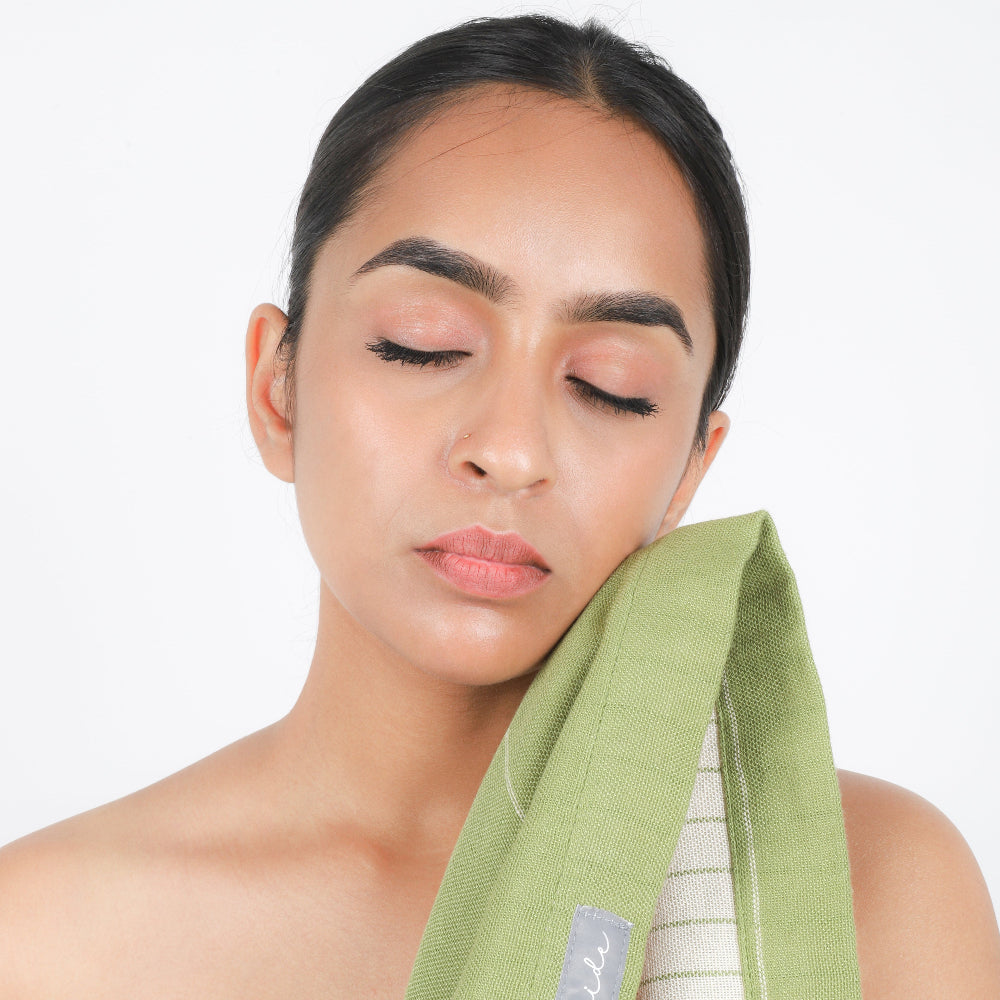
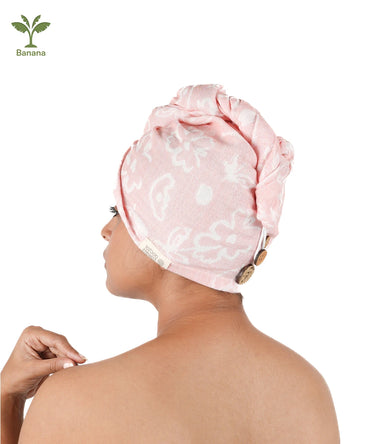
Face Towels preview
Top recommendation

Face Towels

A relevant collection path for readers comparing towel hygiene.

View collection

Hand Towel feels like one of the most ordinary objects in a bathroom, which is exactly why it gets so little scrutiny. It hangs by the sink, dries hands, and blends into the background. But in many homes, the same towel that dries hands also ends up touching the face after cleansing, after splashing water, or in a rushed moment before leaving the room.

That is the hidden issue. The towel was never meant to be part of a face routine, yet it keeps crossing into one. If your skin feels rough, stale, or more irritated after drying than it did after washing, a shared or overused hand towel may be part of the reason. The towel itself is not a diagnosis, but it can still become the wrong contact surface for acne-prone or sensitive skin.

This is why Hand Towel deserves a skincare-first lens. A better routine is not only about choosing the right cleanser. It is also about making sure the thing touching your face at the end of the routine is actually appropriate for that job.


The Problem They Didn’t Know They Had

Many people do not realize how often a hand towel becomes a face towel by accident. They wash their hands, splash their face, lean toward the sink, and grab whatever towel is closest. The problem is not one dramatic moment. The problem is repetition. A towel meant for general sink use keeps stepping into a role that asks for something gentler and more deliberate.

That is especially easy to miss in busy bathrooms. A hand towel may be used by multiple people throughout the day, handled frequently, and left hanging in a damp or poorly ventilated space. It may still look clean enough. It may even smell fine. But “looks fine” and “works well for facial skin” are not the same thing.

This is where the customer-language pattern becomes useful. People say “my skin feels irritated after drying my face,” “using the same face towel every day made my skin feel gross,” or “I never thought my towel could be part of the problem.” In a lot of bathrooms, they are not even talking about a dedicated face towel. They are describing a hand towel that quietly became part of the face-drying step without anyone really deciding it should.
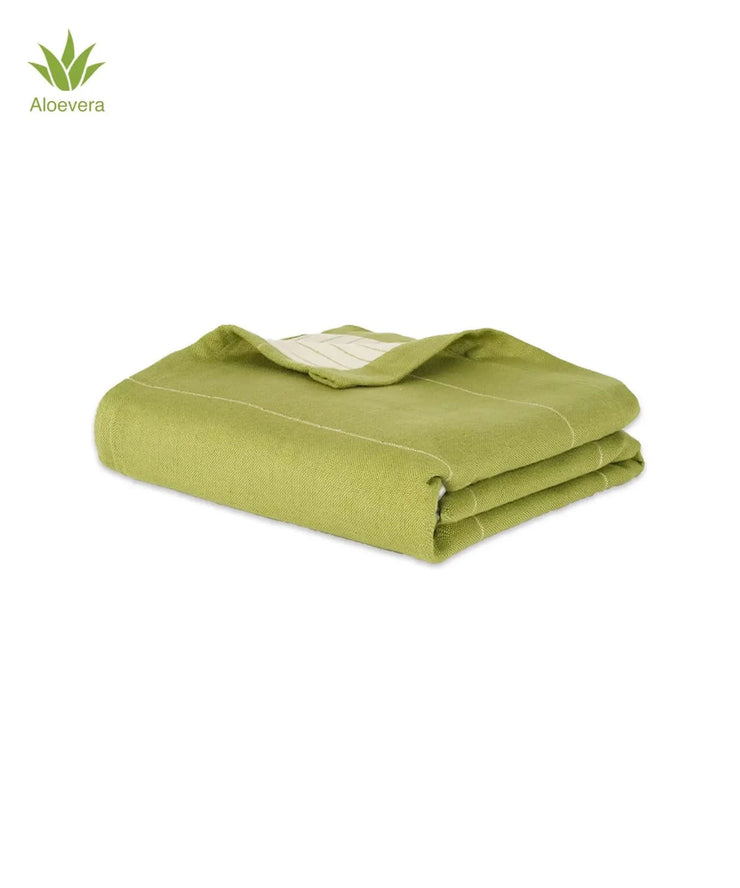
Absorbent Towels preview
Middle recommendation

Absorbent Towels

A relevant collection path for readers comparing towel hygiene.

View collection

When someone searches Hand Towel, they may be shopping for the bathroom. But from a Doctor Towels perspective, the more important question is what happens when that towel touches the face. A hand towel is not automatically a bad towel. It just becomes a bad face towel when routine habits stop being intentional.


The Science Behind The Problem

Dermatology guidance helps explain why this matters. The American Academy of Dermatology recommends gentle, non-abrasive care for acne-prone skin and specifically warns against scrubbing with washcloths, sponges, and other tools that can irritate the skin. That same logic applies to towel habits. The face does not benefit from rough contact simply because the fabric happens to be hanging by the sink.

PubMed literature on acne mechanica adds another useful principle: friction, pressure, rubbing, and occlusion can aggravate acneiform eruptions. A hand towel does not need to be visibly harsh to contribute to that problem. If a person wipes the face quickly, presses too hard, or uses a towel that has become rougher or less fresh over time, the skin can still end up dealing with more mechanical stress than intended.

There is also the habit side of acne care. The American Academy of Dermatology’s patient guidance frames acne management as a set of gentle, dermatologist-aligned routines. That makes the final drying step relevant. The face has just been cleansed. It does not need another uncontrolled variable immediately afterward, especially if the towel has already been used heavily in a shared sink area.

This is the real takeaway: a hand towel may be totally fine for drying hands and still be a poor choice for the face. The skin does not evaluate the towel by its label. It responds to friction, freshness, repeated contact, and how intentionally the towel is being used.


The Mechanisms - How It’s Actively Hurting You

A Shared Sink Towel Builds A Very Different Contact History

A hand towel near the sink usually has a busier life than a face-only towel. It gets grabbed throughout the day, touched by wet hands, and used whenever someone needs a quick dry. That does not automatically make it dirty in a dramatic sense, but it does make it less controlled as a contact surface for facial skin.

The Face Often Gets Dried In A Rush

When people use a hand towel on the face, it is usually not part of a careful routine. It is a quick move. They wipe rather than pat, drag the towel rather than press it gently, and move on. That rushed contact tends to create more friction than a dedicated face-drying habit.

Humidity Changes The Feel Before People Notice

A towel hanging by the sink may stay damp longer than people expect, especially in humid bathrooms. Even if it does not smell bad, it can feel cooler, heavier, flatter, or less fresh against the skin. Acne-prone and sensitive skin often notices that difference before the person consciously does.

The Wrong Towel Habit Makes Your Routine Harder To Interpret

If you are trying to figure out why your skin feels irritated after washing, the hand towel can make the answer harder to see. The cleanser may be fine. The serum may be fine. But if the towel contact changes from day to day, you keep adding uncertainty to the routine right at the end.


Customer Language - What Real People Were Dealing With

What makes this topic important is how familiar the complaints sound. People are not usually saying, “my shared sink towel has an uncontrolled contact history.” They are saying “my routine was fine except my towel felt rough on active breakouts.” They are saying “my skin feels irritated after drying my face.” They are saying “I wanted a towel that felt like it belonged in my skincare routine.”

Those lines matter because they point to a mismatch between bathroom convenience and skin needs. A hand towel is convenient. It is nearby. It is easy. But easy is not always the same as appropriate. If the face is getting the same towel that has been handling general sink traffic all day, the routine can start feeling less calm even if the products themselves are unchanged.

There is also a common emotional pattern here. People feel confused because they are doing many things right. They cleanse gently. They avoid harsh scrubs. They simplify their routine. Yet the skin still feels off after drying. That is why the towel step can be so frustrating. It does not look like the obvious problem, so it can stay invisible for much longer than it should.

The good news is that this is also one of the easiest habits to clean up. Once people see that a hand towel keeps slipping into the face routine, the fix becomes clearer: create separation, reduce friction, and stop using the nearest towel as the default towel.


Actionable Habits - What To Actually Do

1. Stop Letting The Hand Towel Double As The Face Towel

Give the hand towel one job. It can stay by the sink for hands. Your face should have its own towel or its own drying method. That single change removes a lot of routine confusion very quickly.

2. Keep The Face-Drying Step Physically Separate

Store the face towel in a different place from the hand towel if possible. That reduces accidental swapping and makes it less likely that a rushed bathroom moment turns into an avoidable skin mistake.

3. Pat The Face Instead Of Wiping Across It

If a towel is going to touch the face, use a press-and-lift motion rather than rubbing. This follows the same gentle-care principle dermatologists recommend for acne-prone skin.

4. Rotate High-Touch Bathroom Towels Earlier

A hand towel gets a lot of use. Do not wait for it to look obviously bad. If it is handling constant sink traffic, it should stay in the hand-towel lane and be rotated with that in mind, not promoted into facial use.

5. Watch For The Difference Between Cleanser Irritation And Towel Irritation

Notice how your skin feels immediately after washing and then again after drying. If the discomfort appears after the towel, that is a strong clue. People trying to reset sink-side habits may also find this related guide on bathroom face towels useful.

6. Get Professional Help If Redness, Breakouts, Or Ongoing Irritation Continue

Routine changes can help, but they cannot replace diagnosis. If your skin is persistently inflamed or reactive, speak with a dermatologist or another qualified professional.


Why Doctor Towels Was Built For This

Doctor Towels is positioned as a skincare-first towel brand, which matters for a topic like Hand Towel because the usual bathroom logic is not enough. A generic towel category does not ask whether the towel belongs in a face routine. A skincare-first brand does.

That shift is important because the face-drying step should not be an afterthought. If the towel touching the skin has the wrong role, the routine becomes less intentional. Doctor Towels fits best when readers understand that the towel is part of the skin-contact environment, not just a background bathroom object.

The product should still be discussed carefully. It is part of a gentle routine, not a cure. Readers who want the brand’s own materials can review the Doctor Towels research page and testing report. The broader point is behavioral: if the face needs gentler, more intentional contact, then the face needs a towel chosen for that job.

That is why the best lesson from Hand Towel is not that hand towels are wrong. It is that roles matter. A towel used for frequent hand drying should not automatically become part of the face routine just because it is close by.


The Bottom Line

Hand Towel becomes a skin issue when a general sink towel quietly turns into a face towel. The face does not care what the towel is called. It responds to how often the towel is handled, how fresh it feels, and how much friction it adds at the end of cleansing.

If your skin feels worse after drying than after washing, start by separating the jobs. Keep the hand towel for hands, give the face its own gentler routine, and stop letting convenience decide what touches your skin. That is a small change, but it can make the whole routine feel cleaner and easier to trust.

That is the perspective shift that matters. A bathroom basic is still part of skin care the moment it starts touching your face.


Medical Sources & Further Reading

  • American Academy of Dermatology - How to treat acne - https://www.aad.org/news/how-to-treat-acne
  • American Academy of Dermatology - DIY acne treatment - https://www.aad.org/public/diseases/acne/diy
  • PubMed - Acne mechanica - https://pubmed.ncbi.nlm.nih.gov/123732/
  • PubMed - Inner thigh friction as a cause of acne mechanica - https://pubmed.ncbi.nlm.nih.gov/30883890/
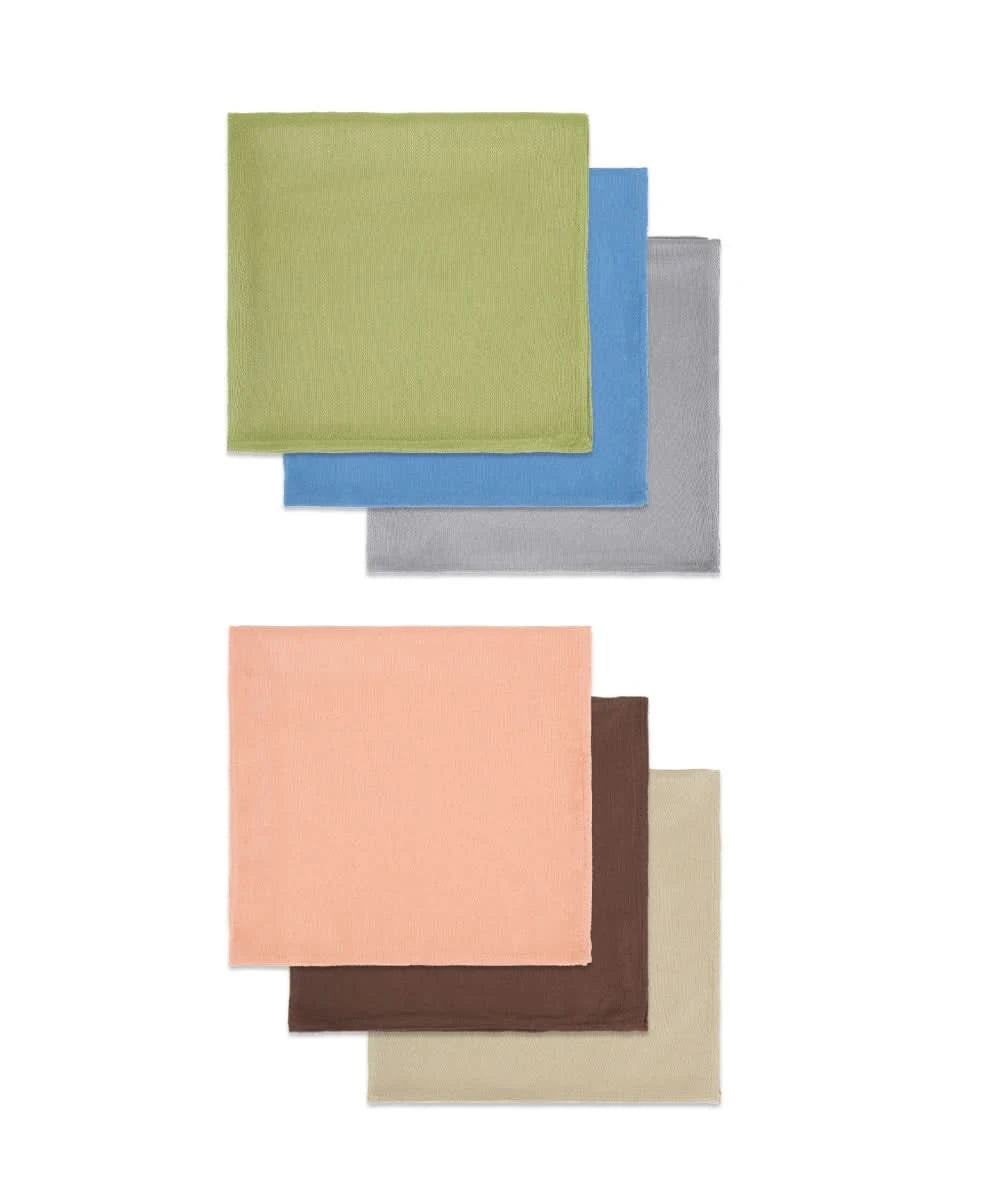
Doctor Towels Aluvera Handkerchief Pack preview
Bottom recommendation

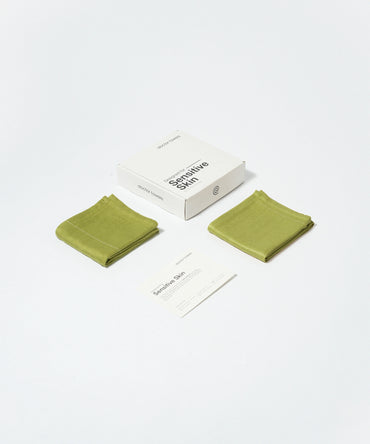
Doctor Towels Aluvera Handkerchief Pack

A relevant product path for readers comparing towel hygiene.

View product
Face TowelsView

Face Towel For Men: Why The Drying Step Matters More Than Most Men Think

Face Towels Acne

Face Towel For Men: Why The Drying Step Matters More Than Most Men Think

Face Towel For Men is not only about size or style. The bigger question is whether the towel fits shaving, sweat, and daily face-drying habits without adding more friction.

Doctor Towels Acne-Reduction Pack preview
Top recommendation

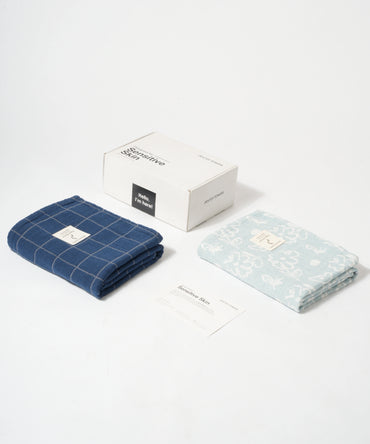
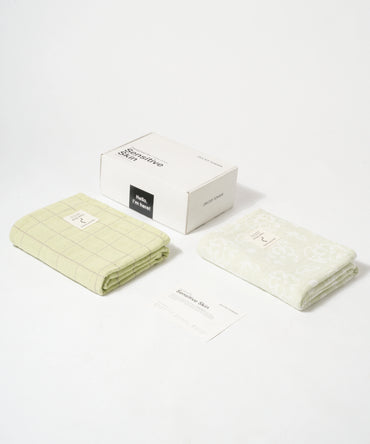
Doctor Towels Acne-Reduction Pack

A relevant product path for readers comparing face towels & acne.

View product

Face Towel For Men sounds like a simple product keyword, but most men are not really searching for fabric alone. They are usually trying to solve a routine problem that has been hiding in plain sight. The towel that touches the face after shaving, after a shower, or after a sweaty commute often does more to shape comfort than most men realize.

That is the blind spot. A lot of men will upgrade cleanser, try a different razor, or blame humidity before they question the towel. Meanwhile, the same cloth may be drying the face after shaving in the morning, wiping sweat during the day, and hanging damp in the bathroom by night. If your skin feels rougher, hotter, or more irritated after drying than it did after washing, the towel step deserves more attention.

This is where Face Towel For Men becomes a skincare question, not only a shopping question. A better towel is not a cure for breakouts, razor bumps, or sensitivity. What it can do is make the part of the routine that comes after washing and shaving feel gentler, cleaner, and easier to keep consistent.


The Problem They Didn’t Know They Had

Many men treat face drying like a finishing move instead of part of skin care. They wash quickly, shave quickly, and then drag a towel across the skin as if the face is just another part of the body that needs to get dry. That habit is common, but it is also one of the easiest ways to make the whole routine feel harsher than it should.

The problem gets worse because men often ask one towel to do too many jobs. A towel may dry the face after shaving, then dry hands, then get used after the gym, then hang in a humid bathroom until the next morning. None of those choices sounds dramatic on its own. Together, though, they create a routine that is less controlled than most men think.

That matters most for men dealing with acne-prone skin, post-shave irritation, beard-area sensitivity, or a skin barrier that already feels reactive. If the face is inflamed from a breakout, rubbed by stubble, or sensitized from shaving, the towel step can easily become another stress point. That is why people say things like “my skin feels irritated after drying my face” or “my routine was fine except my towel felt rough on active breakouts.” The towel is not the whole story, but it can still be part of the pattern.

Face Towels preview
Middle recommendation

Face Towels

A relevant collection path for readers comparing face towels & acne.

View collection

When men look for Face Towel For Men, they are often trying to make one part of the routine feel more intentional. The real win is not owning a towel marketed to men. The win is using a towel that supports a calmer face-drying habit instead of treating the skin like it can absorb endless friction.


The Science Behind The Problem

The medical logic here is simple and practical. The American Academy of Dermatology advises people with acne to keep care gentle and non-abrasive, and specifically warns against scrubbing with washcloths and similar tools. That advice matters for men because the face is often more vulnerable right after cleansing and shaving, when the skin has already been exposed to water, cleanser, and blade contact.

PubMed literature on acne mechanica adds useful context. Friction, pressure, rubbing, and occlusion can aggravate acneiform eruptions. A towel is not the same as athletic gear or protective equipment, but the underlying principle is the same: repeated mechanical stress can make reactive skin feel worse. If a man already has inflamed breakouts around the jawline, beard area, cheeks, or forehead, the drying step should not add another layer of irritation.

The other useful dermatology point is that acne-friendly care is not only about treatment products. The American Academy of Dermatology also frames acne care as a system of gentle, dermatologist-aligned habits. That makes the towel relevant because it is one of the last things touching the face in a repeated daily cycle. Even a strong treatment routine can feel less predictable if the towel step keeps changing the amount of friction, dampness, and pressure the skin experiences.

This is why Face Towel For Men should be judged by routine behavior, not only by how it feels in the hand. The towel that works best is the one that helps the face-drying step stay gentler, fresher, and more deliberate.


The Mechanisms - How It’s Actively Hurting You

Shaving Already Leaves The Skin Less Tolerant Of Extra Friction

Even a careful shave creates contact and stress. The blade passes over the skin, product residue sits on the face, and the surface may already feel warm or slightly sensitized. If the towel comes in immediately after that with rubbing, dragging, or repeated swipes, the skin gets another round of mechanical stress right when it needs less.

One Towel Often Ends Up Covering Face, Body, And Sweat

A lot of men do not keep a true face-only towel. The same towel may handle post-shower drying, beard-area cleanup, hands, and sweat after a workout. That turns a face towel into a general-use towel. Once that happens, the face is no longer getting a controlled, dedicated drying step. It is just getting whatever level of freshness or roughness the towel has left.

Damp Bathroom And Gym Habits Change How The Towel Feels

A towel that sits in a humid bathroom or gets stuffed into a gym bag does not have to smell terrible to feel off. It can feel heavy, flat, cool, or stale against the skin. Men often ignore that because the towel still seems usable. But when the goal is a calmer face routine, a towel that no longer feels fresh can quietly lower the quality of the whole routine.

Rushed Drying Makes Skin Feedback Harder To Read

If a man uses a different level of pressure every day, it becomes harder to tell what is actually bothering his skin. He may blame the razor, the face wash, or shaving cream when the real issue is that the towel is rough one day, damp the next, and scrubbed across the face every time. That makes the entire routine feel less consistent and less trustworthy.


Customer Language - What Real People Were Dealing With

People rarely begin with technical words like mechanical irritation or acneiform aggravation. They usually describe discomfort in everyday language. They say their face feels raw after shaving. They say a towel feels rough on a breakout. They notice that their skin seemed fine until the towel touched it.

The Doctor Towels customer-language file captures this well: “my skin feels irritated after drying my face,” “using the same face towel every day made my skin feel gross,” and “I wanted a towel that felt like it belonged in my skincare routine.” Those lines matter because they show how often the towel problem feels routine-based rather than dramatic. Men are often not looking for a miracle. They are looking for a face-drying step that stops making the rest of the routine feel worse.

That pattern is especially common around shaving and sweating. Some men feel more irritation around the beard line after drying than after the razor itself. Others think their cleanser is the issue when the face actually starts stinging after the towel. Still others notice that their skin is calmer on days when they use a fresher towel without realizing why. Those are not random observations. They are clues that the towel step is affecting how the skin experiences the rest of the routine.

In practical terms, Face Towel For Men is really about reducing one more source of avoidable routine noise. The towel should help the routine settle down, not keep sending mixed signals.


Actionable Habits - What To Actually Do

1. Keep A Dedicated Face Towel Instead Of A General-Use Towel

If the same towel handles body drying, hands, counter splashes, and the face, it is doing too much. A dedicated Face Towel For Men gives the skin a more controlled point of contact and makes it easier to notice whether the towel is helping or hurting the routine.

2. Pat Dry After Washing Or Shaving Instead Of Rubbing

Press and lift water away from the skin instead of dragging the towel across the beard area, jawline, and cheeks. This is one of the simplest ways to cut friction without changing the rest of the routine.

3. Separate Your Gym Towel From Your Face-Drying Towel

Many men let workout habits spill into skin-care habits. If a towel is going to the gym, handling sweat, or riding home in a bag, do not treat it like your clean face towel later. The face deserves its own routine logic.

4. Rotate Sooner Than You Think You Need To

Do not wait for a towel to smell bad before swapping it out. If it feels damp, heavy, or stale, that is enough reason to rotate it. A fresher towel often makes the routine feel better before anything else changes.

5. Pay Attention To How Your Skin Feels After The Towel Step

Notice the difference between how your skin feels after cleansing or shaving and how it feels after drying. If the discomfort appears after the towel, that tells you where to focus next. Men already thinking about broader routine choices may also find it useful to compare with this related guide on best bath towels for men.

6. Get Professional Care For Persistent Acne, Razor Bumps, Or Ongoing Irritation

The towel can improve the routine, but it cannot diagnose your skin. If breakouts, post-shave burning, or repeated irritation continue, see a dermatologist or qualified skin professional.


Why Doctor Towels Was Built For This

Doctor Towels is positioned as a skincare-first towel brand, which is the right lens for a topic like Face Towel For Men. The goal is not to make a towel sound magical. The goal is to treat the drying step like part of a face routine that includes cleansing, shaving, calming the skin, and reducing unnecessary friction.

That is why the product should be understood as part of a gentle routine, not as a cure. The towel step is usually ignored in men’s grooming advice, even though it touches the face every single day. A skincare-first towel brand makes that step easier to think about intentionally instead of leaving it in the generic bathroom category.

Readers who want the brand’s own materials can review the Doctor Towels research page and testing report. The more important takeaway is behavioral: choose lower-friction drying, keep the towel dedicated to the face, and stop treating the final step after washing like it does not count.

That is where Doctor Towels fits best. It belongs in the same conversation as cleanser, razor technique, and skin-barrier-friendly habits because the towel is still a repeated contact surface. For men who want a routine that feels calmer and more predictable, that shift in thinking matters more than any marketing label.


The Bottom Line

Face Towel For Men is worth taking seriously because the face is often driest, most exposed, and most reactive right after washing or shaving. If the towel adds roughness, damp reuse, or unnecessary pressure, it can make the whole routine feel harsher than it needs to.

The better approach is simple: use a dedicated face towel, pat instead of rubbing, keep gym and body towels separate, and rotate the towel before it starts feeling off. Those habits do not replace professional skin care, but they can remove one more daily stressor from a routine that already asks a lot of the skin.

That is the real perspective shift. The towel is not outside grooming or skin care. It becomes part of both the moment it touches your face.


Medical Sources & Further Reading

  • American Academy of Dermatology - How to treat acne - https://www.aad.org/news/how-to-treat-acne
  • American Academy of Dermatology - DIY acne treatment - https://www.aad.org/public/diseases/acne/diy
  • PubMed - Acne mechanica - https://pubmed.ncbi.nlm.nih.gov/123732/
  • PubMed - Inner thigh friction as a cause of acne mechanica - https://pubmed.ncbi.nlm.nih.gov/30883890/
Doctor Towels Acne-Reduction Pack preview
Bottom recommendation

Doctor Towels Acne-Reduction Pack

A relevant product path for readers comparing face towels & acne.

View product
Doctor Towels Acne-Reduction PackView

Best Materials For Bath Towels: Cotton, Bamboo, Microfiber, And What Sensitive Skin Actually Needs

Face Towels Acne

Best Materials For Bath Towels: Cotton, Bamboo, Microfiber, And What Sensitive Skin Actually Needs

The best materials for bath towels depend on more than softness. Sensitive skin also needs low friction, good drying, clean rotation, and a towel that stays comfortable after washing.

Doctor Towels Acne-Reduction Pack preview
Top recommendation

Doctor Towels Acne-Reduction Pack

A relevant product path for readers comparing face towels & acne.

View product

Best Materials For Bath Towels sounds like a fabric comparison. Cotton versus bamboo. Microfiber versus terry. Thick versus lightweight. Plush versus quick-dry. Those comparisons matter, but they can also distract from the real skin question: what happens when that material touches damp skin every day?

A bath towel is not just a piece of fabric. It is a repeated skin-contact surface. It touches body skin after heat, soap, sweat, shaving, sun exposure, exfoliation, or gym workouts. It may also touch the face if the routine is not separated. That means material choice should be judged by skin feel, friction, drying behavior, and how the towel holds up after washing.

There is no single best material for every home. A heavy cotton towel may feel excellent in a dry, well-ventilated bathroom. A lighter towel may work better in a humid home. Bamboo-blend towels may feel soft to some people, while microfiber may dry quickly but feel wrong for others. The “best” material is the one that supports the routine without creating new irritation or hygiene problems.

Doctor Towels looks at this through a skincare-first lens. A towel cannot cure acne, eczema-like symptoms, body breakouts, or sensitivity. But the right material and the right habit can reduce avoidable friction and make the drying step feel calmer.


The Problem They Didn’t Know They Had

Most shoppers judge towels with their hands. They touch a towel in a store or imagine softness from an online listing. If it feels fluffy, they assume it is skin-friendly. That assumption is incomplete.

Softness at purchase is not the same as skin comfort after thirty washes. A towel can lose softness, trap detergent residue, dry slowly, or become stiff in hard water. A towel can also be too thick for the bathroom where it is used. If it stays damp for hours, the material may be comfortable in theory but frustrating in practice.

Face Towels preview
Middle recommendation

Face Towels

A relevant collection path for readers comparing face towels & acne.

View collection

The second blind spot is friction. Material affects friction, but so does use. A gentle cotton towel dragged hard across the skin can still irritate. A quick-dry towel used on active breakouts can still feel abrasive if the surface texture is not comfortable. The best materials for bath towels need to be matched with a low-friction drying habit.

The third blind spot is face contact. Bath towel materials are often chosen for body drying. Facial skin is different. It may be exposed to acne treatments, retinoids, sunscreen, shaving, makeup removal, or barrier sensitivity. Even if a bath towel material is good for the body, that does not automatically make it the best face towel material.

This is why the material question should not end with “cotton or bamboo?” It should include absorbency, drying speed, texture, wash durability, residue, humidity, and separation between face and body.


The Science Behind The Problem

The skin barrier helps keep moisture in and irritants out. Cleveland Clinic describes barrier damage as showing up through dryness, inflammation, irritation, acne, roughness, tenderness, and stinging. A bath towel is not the main driver of skin health, but it repeatedly touches the skin barrier at a vulnerable moment: right after washing.

The American Academy of Dermatology advises people with acne-prone skin to avoid scrubbing and keep skin care gentle. That advice applies beyond cleansers. If a towel material feels rough or encourages rubbing, it can work against a gentle routine.

Acne mechanica research gives another useful frame. PubMed references describe acne-like eruptions linked with friction, pressure, rubbing, and occlusion. Bath towels are not medical devices, but they can contribute to repeated mechanical contact. This is especially relevant on the back, chest, shoulders, neck, and jawline.

Hygiene and drying behavior also matter. Bath towels hold water and residue. Medical News Today notes that towels can harbor microorganisms and should be washed regularly. A material that dries faster may be easier to manage in a humid bathroom, while a material that stays wet may require more careful rotation.

The practical science is not complicated. Choose a material that reduces friction, dries predictably, washes cleanly, and stays comfortable. Then use it gently.


The Mechanisms - How It’s Actively Hurting You

Cotton Can Be Excellent Or Too Heavy

Cotton is the default bath towel material for good reason. It is absorbent, familiar, washable, and comfortable when constructed well. But cotton towels vary widely. A dense, heavy cotton towel can feel plush but may dry slowly in humid bathrooms. A cheaper cotton towel can feel scratchy after washing. Cotton is not automatically good or bad. Construction and routine decide the outcome.

Bamboo Blends Can Feel Soft But Still Need Rotation

Bamboo or bamboo-blend towels are often marketed around softness. Some people like the smoother feel. But softness does not remove the need for drying and washing discipline. If a bamboo-blend towel stays damp, is reused too long, or is used aggressively on the face, the material name will not solve the routine problem.

Microfiber Dries Fast But Can Feel Too Grippy

Microfiber towels can be light and quick-drying, which is useful for travel, gym bags, or low-airflow bathrooms. But some microfiber surfaces feel clingy or grippy on skin. For sensitive skin, that texture may feel unpleasant if dragged across the body. If using microfiber, pat instead of rubbing and avoid using it automatically on the face.

Terry Loops Can Feel Plush Or Abrasive

Terry construction gives towels absorbency through loops. The loop quality, yarn softness, density, and finishing all influence skin feel. Loops that feel soft on the hand may still become rough after wear. If the loops catch on dry patches or active breakouts, the towel may be too abrasive for sensitive zones.

Blends Can Hide Tradeoffs

Blended towels may balance cost, softness, drying speed, or durability. But blends should be evaluated by performance, not marketing language. Does the towel dry fully? Does it stay soft after washing? Does it shed? Does it feel gentle on the neck and chest? Those questions matter more than a material label.


Customer Language - What Real People Were Dealing With

People often describe material problems as body feelings. “This towel feels scratchy.” “My towel is soft but never dries.” “My skin feels itchy after showering.” “The towel feels clean at first but stale the next day.” These phrases are more useful than a fabric claim because they describe the actual routine.

There is also confusion around luxury. A towel can be thick, expensive, and beautifully finished while still being wrong for a humid bathroom or sensitive skin. Another towel can be simple, lighter, and better for daily rotation because it dries faster and stays easier to manage.

For acne-prone or sensitive-skin shoppers, the biggest frustration is inconsistency. Skin feels fine after washing but uncomfortable after drying. The person changes body wash or moisturizer, but the towel remains the same. That can make the routine harder to troubleshoot.

When people search for Best Materials For Bath Towels, they are often asking a deeper question: what material can I trust against my skin every day? The answer is material plus habit. Fabric matters, but it cannot compensate for rough drying, poor washing, or using one towel for every body zone.


Actionable Habits - What To Actually Do

1. Choose Cotton When You Want Reliable Absorbency

Cotton is a strong default for bath towels if it stays soft and dries well in your home. Avoid choosing only by maximum thickness. A medium-weight cotton towel may be more practical than an ultra-heavy towel in a humid bathroom.

2. Consider Bamboo Blends For Soft Feel

If you like a smoother hand feel, bamboo blends may be worth comparing. Judge them after washing, not only when new. Make sure they dry fully between uses.

3. Use Microfiber For Specific Jobs

Microfiber can be useful for gym, travel, or fast-drying situations. If the texture feels clingy, use it for the body only and keep a softer dedicated towel for the face.

4. Test Texture On Sensitive Zones

Do not test a towel only with your palm. Try the inside of the forearm, neck, or upper chest. Those areas give a better sense of how the towel may feel on reactive skin.

5. Keep Bath Towels And Face Towels Separate

The best bath towel material is chosen for the body. The face deserves a separate towel habit. For a related guide, read Towels For Face.

6. Pat Instead Of Rubbing

Material choice works best when the drying motion is gentle. Press and lift water off the skin. Avoid dragging the towel across acne-prone, shaved, or irritated areas.

7. Watch How The Towel Ages

If a towel becomes stiff, rough, musty, or slow to dry, it may no longer be the best material for your routine. Skin comfort after repeated washing matters more than first-week softness.


Why Doctor Towels Was Built For This

Doctor Towels is built around a skincare-first view of towels. That means material is judged by what it does in a routine, not by generic claims of softness or luxury. The brand position is simple: the towel step matters because it is repeated skin contact.

Doctor Towels should not be framed as a cure. It is part of a gentle skincare routine. For people with acne-prone or sensitive skin, that distinction matters. The goal is to reduce avoidable friction, keep drying intentional, and separate face contact from body contact.

This is especially useful when comparing the best materials for bath towels. The conversation should not become a material ranking where one fabric wins every scenario. Instead, it should become a routine decision: choose the body towel that dries well and feels gentle, then choose a dedicated face towel for facial skin.

Doctor Towels fits that routine because it helps shoppers think beyond bathroom decor. The towel is not only a color, size, or GSM. It is a daily interface between water and skin. When the material supports that interface, the whole routine feels cleaner and calmer.


The Bottom Line

The best materials for bath towels depend on your skin, bathroom, climate, laundry habits, and drying behavior. Cotton is reliable when it stays soft and dries well. Bamboo blends may feel smoother but still need proper rotation. Microfiber can be practical for quick drying but may feel too grippy for sensitive skin. Terry construction can be plush or rough depending on quality and age.

No material fixes a rough habit. Pat instead of rub. Keep the face separate from the body. Wash towels regularly. Let them dry fully. Replace towels that become stiff, stale, or irritating. If acne, itching, inflammation, or persistent sensitivity continues, get professional medical advice.

Material matters, but the routine decides whether that material actually helps your skin.


Medical Sources & Further Reading

  • American Academy of Dermatology - How to treat acne - https://www.aad.org/news/how-to-treat-acne
  • American Academy of Dermatology - DIY acne treatment - https://www.aad.org/public/diseases/acne/diy
  • PubMed - Acne mechanica - https://pubmed.ncbi.nlm.nih.gov/123732/
  • PubMed - Inner thigh friction as a cause of acne mechanica - https://pubmed.ncbi.nlm.nih.gov/30883890/
  • Cleveland Clinic - Skin barrier guidance - https://health.clevelandclinic.org/skin-barrier/
  • Medical News Today - How often should people wash towels - https://www.medicalnewstoday.com/articles/how-often-should-you-wash-your-towels
Doctor Towels Acne-Reduction Pack preview
Bottom recommendation

Doctor Towels Acne-Reduction Pack

A relevant product path for readers comparing face towels & acne.

View product
Doctor Towels Acne-Reduction PackView

Best Bath Towels For Men: A Skin-Aware Guide To Showering, Shaving, And Gym Routines

Face Towels Acne

Best Bath Towels For Men: A Skin-Aware Guide To Showering, Shaving, And Gym Routines

The best bath towels for men should do more than feel big and absorbent. They should fit the way men actually shower, shave, sweat, and dry sensitive skin.

Doctor Towels Acne-Reduction Pack preview
Top recommendation

Doctor Towels Acne-Reduction Pack

A relevant product path for readers comparing face towels & acne.

View product

Best Bath Towels For Men is a simple search with a more complicated skin story behind it. Most buying guides focus on size, thickness, color, and whether a towel feels heavy enough after a shower. Those details are useful, but they miss the daily situations where a men’s towel routine can quietly go wrong: shaving, gym sweat, body acne, humid bathrooms, shared laundry, and rushed drying.

A bath towel touches far more skin than a cleanser or shaving product. It moves across the chest, back, shoulders, neck, underarms, groin, legs, and sometimes the face. If it is used aggressively, reused while damp, or shared between body and face, it can make a routine feel less clean than expected.

The point is not that men need a completely different towel category. The point is that many men’s routines put extra stress on skin. Shaving can leave the neck and jawline reactive. Gym sweat can leave the back and chest feeling congested. Outdoor heat and pollution can make the shower feel like a reset. Then the towel step either supports that reset or adds friction, residue, and damp fabric contact.

Doctor Towels approaches this as a skincare-first issue. A towel cannot cure acne, razor bumps, irritation, or sensitivity. It can, however, become a cleaner and gentler part of a routine. That is the standard a men’s bath towel should meet.


The Problem They Didn’t Know They Had

Men often treat bath towels as utility items. One towel hangs in the bathroom, gets used after showers, sometimes after workouts, sometimes after shaving, and occasionally on the face. It may be washed only when it smells obvious. If it is large and absorbent, it feels like it is doing its job.

But skin does not judge a towel by size alone. Skin responds to contact. If the towel is rubbed across shaved skin, dragged over back acne, or pressed onto the face after drying the body, the routine has more uncontrolled variables than it seems.

Face Towels preview
Middle recommendation

Face Towels

A relevant collection path for readers comparing face towels & acne.

View collection

The neck is one example. Many men shave the neck or trim beard lines, then shower, then rub the same area dry with a bath towel. If the towel is rough or stiff after washing, that final step can make the skin feel hotter or more irritated. The chest and back are another example. These areas may be prone to sweat, friction from clothing, and body breakouts. Aggressive towel rubbing after the gym can add mechanical stress to skin that is already warm and reactive.

Then there is the towel’s environment. A towel used after an evening shower may still be damp the next morning if the bathroom has poor airflow. A gym towel may sit in a bag. A towel hung on a hook may stay bunched in the center. None of this means the towel is dangerous by default. It means towel quality depends on behavior after use, not only softness at purchase.

That is why Best Bath Towels For Men should be answered with routine in mind. The best towel is the one that fits showering, shaving, sweating, and skin sensitivity without adding avoidable friction.


The Science Behind The Problem

Skin barrier health matters for everyone, including men who do not think of their routine as skincare. Cleveland Clinic explains that the skin barrier helps protect against environmental stress while keeping moisture in. When that barrier is stressed, skin can feel dry, itchy, irritated, inflamed, tender, or more reactive to products.

The American Academy of Dermatology gives acne-prone skin advice that is highly relevant to towel use: avoid scrubbing. Scrubbing can irritate skin and may make acne look worse. A towel used forcefully can become part of that same problem. This is especially relevant after shaving, after workouts, or around areas with active body acne.

PubMed literature on acne mechanica also points to friction, pressure, rubbing, and occlusion as relevant contributors to acne-like eruptions. Men may experience these stressors from helmets, collars, tight gym clothes, backpacks, protective gear, or sweaty fabric. A rough towel is not the only factor, but it can add another repeated friction event.

Hygiene also matters. Bath towels absorb water, sweat, dead skin cells, and product residue. Medical News Today notes that towels can harbor microorganisms and should be washed regularly. For men’s routines, this becomes practical: the towel used after a sweaty workout should not be left damp in a gym bag and then reused on the face or neck.

The science does not require fear. It supports a simple routine principle: less rubbing, better drying, cleaner rotation, and separation between body and face.


The Mechanisms - How It’s Actively Hurting You

Shaved Skin Gets Extra Friction

Shaving already creates a high-contact routine. The blade, trimmer, cleanser, shaving cream, aftershave, and towel all touch the same area. If the towel is rubbed across the neck and jawline afterward, it can add mechanical irritation when the skin is least interested in more contact.

Gym Sweat Changes The Towel Job

After a workout, the towel is not only removing clean shower water. It may also handle sweat residue, body wash residue, and heat from flushed skin. If the towel is reused while damp or kept in a closed bag, it can feel less fresh and less skin-friendly.

Body Acne Areas Are Easy To Over-Rub

The shoulders, chest, and back are often dried with strong pressure because they are larger areas. If someone has body breakouts, friction from the towel can make those areas feel more inflamed. The goal is not to leave skin wet. The goal is to remove water without scraping the skin.

One Towel Often Does Too Many Jobs

A men’s bath towel may dry the body, hair, beard, face, and hands. It may also be used after sports or kept in a travel kit. Every extra job adds contact history. A towel used across the body should not automatically become the face towel.

Stiff Towels Encourage Rougher Drying

Hard water, too much detergent, high heat drying, and age can make towels feel stiff. When a towel loses softness, people often compensate by rubbing harder to dry faster. That is the opposite of what sensitive or acne-prone skin needs.


Customer Language - What Real People Were Dealing With

Men often describe the problem in functional language. “My towel feels rough after shaving.” “My neck gets red after I dry it.” “My back breaks out after workouts.” “My towel smells damp even after I shower.” These are not cosmetic complaints. They are routine signals.

Another common pattern is minimalism. Many men want fewer products, not more. That makes the towel step even more important because it is already part of the routine. Improving it does not require adding a serum or building a complicated cabinet. It means using the towel with more intention.

There is also a confidence issue. A towel that smells damp, feels rough, or leaves the skin irritated makes the post-shower routine feel unfinished. Men may replace body wash, deodorant, shaving cream, or acne products without ever changing the repeated fabric contact that happens after all of them.

This is where Best Bath Towels For Men becomes more than a buying phrase. The real search intent is: what towel fits a practical routine where skin should feel clean, calm, and dry after contact?


Actionable Habits - What To Actually Do

1. Choose A Towel That Dries Fully

For daily use, a towel that dries between showers is often better than the thickest towel available. If your bathroom is humid, choose a towel that balances absorbency with airflow. A towel that stays damp is not a good daily partner.

2. Use A Separate Face Towel

Keep your bath towel for the body. Use a dedicated face towel for the face and beard area. This is especially important if you shave, use acne products, or notice irritation after drying. For deeper context, read Face Towel vs Bath Towel For Acne-Prone Skin.

3. Pat The Neck After Shaving

After shaving or trimming, press the towel gently and lift. Do not drag it upward across the neck or jawline. That area has already had enough mechanical contact.

4. Rotate After Gym Use

If a towel is used after a workout, treat it as a high-use towel. Hang it fully open as soon as possible and wash it sooner. Do not leave it closed inside a gym bag.

5. Avoid Rough Drying On Body Acne

For chest, back, and shoulder breakouts, use gentle pressure. Rubbing does not make skin cleaner. It just adds friction.

6. Fix Laundry Habits That Make Towels Stiff

Use the right detergent amount, rinse well, and avoid overloading the washing machine. If towels feel stiff, the skin pays for it during drying. Do not judge a towel only by how it felt when new.

7. Keep Enough Towels In Rotation

If you shower daily, go to the gym, or live in a humid climate, one towel is not enough. Rotation helps each towel dry fully and gives you time to wash before odor appears.


Why Doctor Towels Was Built For This

Doctor Towels is a skincare-first towel brand, so it treats drying as part of skin care rather than an afterthought. For men, that framing is useful because many routines are practical and fast. The towel is already there. The opportunity is to make that existing step less irritating and more intentional.

Doctor Towels is not positioned as a cure for acne, shaving irritation, body breakouts, or sensitive skin. It fits as a gentler routine tool. The brand’s logic is simple: daily contact surfaces deserve attention. If a towel touches skin after every shower, it should support comfort, cleanliness, and low-friction drying.

That matters for men who shave, train, commute, sweat, wear helmets, or deal with body acne. Skin may already be exposed to friction from clothing, gear, backpacks, collars, and gym equipment. The towel should not add another rough contact moment at the end of the routine.

The best bath towels for men should therefore be judged by routine performance: softness after washing, drying speed, absorbency, size, skin feel, and whether the user keeps the face separate from the body. Doctor Towels belongs in that conversation because it moves the buying decision away from generic towel luxury and toward skin-aware daily use.


The Bottom Line

The best bath towels for men are not simply the biggest or thickest. They are the towels that dry the body well without encouraging rough rubbing, stay fresh between uses, and fit the realities of shaving, sweating, gym bags, humid bathrooms, and sensitive skin.

Use a separate towel for the face. Pat shaved skin. Rotate towels after workouts. Wash before odor becomes obvious. If body acne, razor bumps, irritation, or persistent sensitivity continues, get professional dermatology advice instead of trying to solve everything with towel changes alone.

A towel is a basic object, but it touches a lot of skin. For men who want a simpler, cleaner routine, that makes it worth choosing carefully.


Medical Sources & Further Reading

  • American Academy of Dermatology - How to treat acne - https://www.aad.org/news/how-to-treat-acne
  • American Academy of Dermatology - DIY acne treatment - https://www.aad.org/public/diseases/acne/diy
  • PubMed - Acne mechanica - https://pubmed.ncbi.nlm.nih.gov/123732/
  • PubMed - Inner thigh friction as a cause of acne mechanica - https://pubmed.ncbi.nlm.nih.gov/30883890/
  • Cleveland Clinic - Skin barrier guidance - https://health.clevelandclinic.org/skin-barrier/
  • Medical News Today - How often should people wash towels - https://www.medicalnewstoday.com/articles/how-often-should-you-wash-your-towels
Doctor Towels Acne-Reduction Pack preview
Bottom recommendation

Doctor Towels Acne-Reduction Pack

A relevant product path for readers comparing face towels & acne.

View product
Doctor Towels Acne-Reduction PackView

Best Bath Towels In India: What To Choose When Heat, Humidity, And Sensitive Skin All Matter

Towel Hygiene

Best Bath Towels In India: What To Choose When Heat, Humidity, And Sensitive Skin All Matter

The best bath towels in India are not just the softest or thickest. In a humid bathroom, the better towel is the one that dries well, feels gentle, and fits a cleaner routine.

Sensitive Skin Towels preview
Top recommendation

Sensitive Skin Towels

A relevant collection path for readers comparing towel hygiene.

View collection

Best Bath Towels In India is usually treated like a shopping query. People compare size, GSM, color, discount, and softness. Those details matter, but they do not answer the whole question. In many Indian bathrooms, the bigger issue is what happens after the towel is used: heat, humidity, slow drying, shared hooks, hard water, sweat, and repeated contact with skin.

That matters because a bath towel is not only a bathroom product. It is a daily skin-contact surface. It touches the neck, chest, back, underarms, groin, legs, and sometimes the face. If the towel stays damp, feels rough after repeated washes, or is used too aggressively after bathing, it can make a clean routine feel less clean than expected.

This guide is not about naming one universal winner. The best towel for a cool, well-ventilated home may not be the best towel for a humid bathroom in Mumbai, Chennai, Kochi, Kolkata, Goa, or a monsoon-heavy city. The better question is: which bath towel supports comfort, drying, and skin hygiene in the conditions where it will actually live?

For Doctor Towels, that answer has to stay skincare-first. A towel cannot cure acne, sensitivity, body breakouts, or irritation. But it can reduce avoidable friction, make drying habits more intentional, and help separate body-drying from face-drying. Those small choices matter because they repeat every day.


The Problem They Didn’t Know They Had

Most people shopping for Best Bath Towels In India look for plushness first. A thick towel feels impressive in the hand. It photographs well. It gives the hotel-towel feeling that many shoppers associate with quality. But thickness alone can be misleading in a warm, humid bathroom.

A towel that holds a lot of water may also take longer to dry. If it is folded over a hook, crowded with other laundry, or left in a low-airflow bathroom, it can stay damp for hours. Dampness changes the towel experience. The towel may still look clean, but it can feel heavy, stale, or slightly musty. For someone with sensitive skin, body acne, follicle-prone areas, or a reactive skin barrier, that is not the finish they want after bathing.

Face Towels preview
Middle recommendation

Face Towels

A relevant collection path for readers comparing towel hygiene.

View collection

The second problem is friction. A bath towel is often used quickly. People rub the back, chest, neck, and shoulders because they are in a hurry. Men may rub after shaving or after the gym. Families may share towels or rotate them too slowly. A towel that is technically soft can still become abrasive when it is used with pressure, washed poorly, or dried stiff in hard water.

The third problem is job confusion. A bath towel is for the body. The face should not be an afterthought. Facial skin is more reactive for many people, and the face may already be dealing with cleanser, sunscreen, shaving, acne treatments, pollution, or makeup removal. Using the same large bath towel on the face after it has touched the body adds an avoidable variable.

That is why the best bath towels in India are not automatically the thickest towels. They are the towels that suit local drying conditions, reduce friction, and fit a routine where the body and face are treated as different skin zones.


The Science Behind The Problem

The skin barrier is the outer layer that helps keep water in and irritants out. Cleveland Clinic describes barrier problems as showing up through dryness, irritation, inflammation, acne, stinging, and sensitivity. A towel does not control the skin barrier by itself, but it does touch that barrier repeatedly. If the towel step adds rubbing or damp textile contact, it can become one more stressor in an already sensitive routine.

Dermatology advice for acne-prone skin often comes back to the same principle: be gentle. The American Academy of Dermatology advises people with acne to avoid scrubbing because scrubbing can irritate skin and make acne look worse. A towel used with force can become part of that scrubbing pattern even when the cleanser was gentle.

Research on acne mechanica also matters. PubMed references describe acneiform eruptions associated with friction, pressure, rubbing, and occlusion. A bath towel is not the same as a helmet strap or tight gear, but the mechanism is relevant. Repeated mechanical stress can influence skin comfort, especially around the chest, back, shoulders, neck, and jawline.

Then there is hygiene. Bath towels absorb water, sweat, skin cells, and product residue. Medical News Today summarizes the basic concern clearly: bath towels can harbor microorganisms and should be washed regularly. The practical point is not fear. It is routine design. A towel that dries fully, gets washed on a sensible schedule, and is not used for every job is easier to keep skin-friendly.

In India, climate changes this routine. Heat and humidity can slow drying. Monsoon weather can make indoor drying harder. Airflow, sunlight, washing frequency, and bathroom ventilation become part of towel quality. Material matters, but the way the towel behaves after use matters just as much.


The Mechanisms - How It’s Actively Hurting You

Slow Drying Turns A Good Towel Into A Stale Towel

A towel can be soft on day one and still become a poor daily towel if it stays damp too long. Damp fabric feels cooler, heavier, and less fresh on skin. In humid cities or during monsoon, this can happen even with an expensive towel. If a towel does not fully dry between uses, the next shower starts with a compromised drying tool.

Too Much GSM Can Work Against Indian Bathrooms

GSM is often used as shorthand for quality. Higher GSM usually means a heavier, denser towel. That can feel plush, but it can also slow drying. For Indian homes where towels hang indoors, a medium-weight towel that dries faster may be more practical than a thick towel that never quite feels fresh.

Rubbing Adds Mechanical Stress

After a shower, many people scrub themselves dry without noticing. The towel moves across the shoulders, chest, back, neck, and face in quick strokes. On sensitive skin, recently shaved skin, sun-exposed skin, or acne-prone areas, that extra friction can leave skin feeling hotter or more irritated.

Shared Use Blurs Hygiene Boundaries

In a busy household, towels may be used by more than one person or for more than one purpose. A towel may dry the body, then the face, then hands, then hair. That makes it harder to control residue and freshness. The best bath towel routine separates jobs clearly.

Hard Water And Detergent Residue Can Change Texture

Many Indian homes deal with hard water. Over time, towels can feel flatter or stiffer if detergent is overused or not rinsed well. A stiff towel increases friction. If the towel feels scratchy on the neck or cheeks, it is no longer serving the skin well, even if it was once soft.


Customer Language - What Real People Were Dealing With

People rarely describe this as a technical textile problem. They say, “my towel smells damp,” “my bath towel feels rough after washing,” “my skin feels itchy after a shower,” or “my face feels worse after I dry it.” Those phrases are practical clues. They point to drying, friction, residue, and routine mismatch.

There is also a common buying disappointment. Someone buys a thick towel because it feels like a luxury upgrade, then realizes it takes too long to dry in their bathroom. The towel starts smelling sooner than expected. It feels heavy on the skin. It may be comfortable for the first week but inconvenient after repeated use.

Another customer pattern is body-to-face transfer. A person may dry the body after a hot shower, then use the same towel on the face out of habit. If their face is acne-prone or sensitive, they may never connect that final step with the redness or tightness they feel afterward.

That is why Best Bath Towels In India should be answered with climate and skin in mind. A good towel is not only about softness at purchase. It is about how the towel behaves in a real Indian bathroom after use, after washing, and after repeated contact with skin.


Actionable Habits - What To Actually Do

1. Choose Medium Weight Before Maximum Thickness

For many Indian bathrooms, a towel that balances absorbency with faster drying is smarter than the heaviest towel available. Thick towels can feel good, but they need airflow and drying time. If your towel often feels damp the next day, choose a lighter or medium-weight option.

2. Prioritize A Soft Hand, Not A Scratchy Finish

Run the towel over the inside of your forearm or neck. If it feels rough there, it may feel harsher on reactive areas. Softness should remain after washing, not only in the store or product listing.

3. Keep A Separate Face Towel

Use bath towels for the body and a separate towel for the face. This is one of the easiest skincare-first upgrades. For more detail on why separation matters, read Bath Towels And Sensitive Facial Skin.

4. Dry The Towel Fully Between Uses

Spread the towel on a bar instead of bunching it on a hook. Use a fan, sunlight, balcony drying, or better airflow when possible. A towel that dries fully is usually easier to keep fresh.

5. Wash Before Odor Becomes Obvious

Do not wait for a towel to smell before washing it. If the bathroom is humid, if the towel is shared, if someone is ill, or if you have sensitive skin, wash more often. Let towels dry before tossing them into the laundry basket.

6. Pat Sensitive Areas

Use firm but gentle pressing on the chest, back, neck, and face-adjacent areas. Avoid aggressive rubbing after shaving, exfoliating, sweating, or using active body-care products.

7. Buy For Your Home, Not Just The Listing

If your bathroom has poor ventilation, avoid towels that stay wet. If your home has hard water, avoid overloading detergent and consider extra rinsing. If multiple people share one bathroom, buy enough towels to rotate.


Why Doctor Towels Was Built For This

Doctor Towels is positioned as a skincare-first towel brand, which means the towel is treated as part of the routine rather than a decorative bathroom extra. The brand is not making a hard medical claim. It is asking a more practical question: what should touch your skin after cleansing, bathing, sweating, or shaving?

For bath towels, that question starts with body comfort. The towel should absorb water without demanding rough rubbing. It should dry predictably. It should not become a damp, stale surface that keeps re-entering the routine. But Doctor Towels also separates the face from the body. The face deserves a dedicated towel habit, especially for acne-prone and sensitive-skin shoppers.

This matters in India because heat and humidity make towel discipline more important. A skincare-first routine is not only cleanser and moisturizer. It includes the fabric that finishes the routine. When people are comparing the best bath towels in India, they should also ask whether their towel setup supports skin comfort after the shower.

Doctor Towels fits as an educational routine choice: use towels intentionally, reduce unnecessary friction, keep face and body contact separate, and treat the drying step as part of skin hygiene. That is a calmer, more useful standard than chasing the thickest towel on the shelf.


The Bottom Line

The best bath towels in India are the ones that work in Indian conditions. Heat, humidity, monsoon weather, hard water, shared bathrooms, and low ventilation all affect how a towel performs after it leaves the product page.

Choose a towel that is soft, absorbent, and able to dry fully between uses. Avoid buying only by thickness. Rotate towels before they smell. Keep the face separate from the body. Pat sensitive areas instead of rubbing them. If acne, irritation, itching, or sensitivity persists, speak with a dermatologist for personal care.

A bath towel may look ordinary, but it touches skin every day. In a skincare-first routine, that makes it important.


Medical Sources & Further Reading

  • American Academy of Dermatology - How to treat acne - https://www.aad.org/news/how-to-treat-acne
  • American Academy of Dermatology - DIY acne treatment - https://www.aad.org/public/diseases/acne/diy
  • PubMed - Acne mechanica - https://pubmed.ncbi.nlm.nih.gov/123732/
  • PubMed - Inner thigh friction as a cause of acne mechanica - https://pubmed.ncbi.nlm.nih.gov/30883890/
  • Cleveland Clinic - Skin barrier guidance - https://health.clevelandclinic.org/skin-barrier/
  • Medical News Today - How often should people wash towels - https://www.medicalnewstoday.com/articles/how-often-should-you-wash-your-towels
Doctor Towels Aluvera Handkerchief Pack preview
Bottom recommendation

Doctor Towels Aluvera Handkerchief Pack

A relevant product path for readers comparing towel hygiene.

View product
Sensitive Skin TowelsView

Bamboo Face Towels: What Bamboo Changes And What Still Comes Down To Your Drying Habit

Face Towels Acne

Bamboo Face Towels: What Bamboo Changes And What Still Comes Down To Your Drying Habit

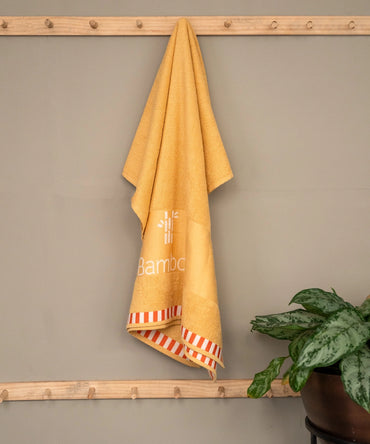
Bamboo Face Towels attract attention because the material sounds gentler, but the better question is what bamboo changes and what still depends on how you use the towel.

Doctor Towels Acne-Reduction Pack preview
Top recommendation

Doctor Towels Acne-Reduction Pack

A relevant product path for readers comparing face towels & acne.

View product

Bamboo Face Towels appeal to a specific kind of shopper. It is usually someone who already knows that not every towel feels the same on the skin and wants to make a smarter material choice. The interest makes sense. Fiber choice can change softness, absorbency, thickness, and the way a towel feels after repeated washing. But material alone does not solve the whole face-drying problem.

That is the important reset. A towel can sound more skin-friendly on paper and still create friction in practice if it is rubbed too hard, reused while damp, or treated like a general bathroom cloth. For acne-prone or sensitive skin, the face-drying step is shaped by both the material and the habit around the material.

This is why Bamboo Face Towels deserve a calmer, more educational explanation. The goal is not to hype bamboo as a miracle answer or dismiss it as meaningless. The goal is to understand what bamboo may change in the user experience and what still comes down to hygiene, rotation, and the way the towel touches the face.

When skin is already reactive, clear expectations matter. A better routine comes from reducing unnecessary stress, not from expecting one material to rescue a careless habit.


The Problem They Didn’t Know They Had

People often shop for a better towel because something in the routine already feels off. Their skin feels irritated after drying. A regular towel seems too rough around active breakouts. The face feels cleaner right after washing but less comfortable once the towel touches it. At that point, it is natural to look toward material and ask whether bamboo might be a better fit.

The hidden problem is that many people ask the right question only halfway. They ask what the towel is made of, but they do not ask how the towel is being used. If a towel stays damp in the bathroom, dries hands and face interchangeably, or gets dragged across the skin with pressure, the routine can still feel harsh no matter what fiber label is attached to it.

Face Towels preview
Middle recommendation

Face Towels

A relevant collection path for readers comparing face towels & acne.

View collection

Bamboo Face Towels are therefore best understood as a potentially helpful input, not a full solution. Material can influence feel. Habit determines whether that feel actually reaches the skin in a useful way day after day.

That distinction matters because shoppers often want certainty. They want to know whether bamboo is “better.” A more honest skincare-first answer is that bamboo may suit some people, but the benefit only shows up when the whole drying habit becomes more intentional.

There is also an expectation trap here. Once a towel sounds more advanced, people sometimes assume it can compensate for weak routine habits. In reality, a material choice only performs as well as the way it is used. If the towel keeps living in the same humid corner and doing the same shared jobs, the skin may not experience much of the benefit the shopper expected.


The Science Behind The Problem

Dermatology guidance does not typically tell people to chase one trendy towel fiber. It tells them to reduce irritation. The American Academy of Dermatology recommends gentle, non-abrasive care for acne-prone skin and warns against scrubbing. That means the key question is still friction: how much pressure, rubbing, and repeated contact the skin experiences after cleansing.

PubMed literature on acne mechanica reinforces the same principle. Friction, pressure, and rubbing can aggravate acneiform eruptions. Those mechanisms can apply regardless of whether the towel is cotton, bamboo-based, or another blend. Material may influence the sensation of the towel, but the physical behavior of drying still matters.

This is why Bamboo Face Towels should be evaluated in real use rather than by marketing language alone. Does the towel feel softer on the face? Does it stay pleasant after washing? Does it encourage gentler drying? Does it make you more likely to keep a face-only rotation? Those are practical questions with skincare value.

The scientific takeaway is not “bamboo fixes acne.” The takeaway is that lower-friction, more intentional contact supports skin better than rougher, more careless contact. If bamboo helps a person maintain that, it may be useful. If the habit stays poor, the material alone cannot compensate.


The Mechanisms - How It’s Actively Hurting You

Material Expectations Can Hide A Bad Routine

Once someone buys Bamboo Face Towels, it is easy to assume the towel problem has been solved. That confidence can hide the real issue if the towel is still being reused too long, kept in a damp bathroom, or rubbed over the skin too aggressively.

A Softer Feel Does Not Cancel Friction

Even a towel that feels nicer in the hand can still create irritation if it is dragged across the cheeks, chin, and jawline with pressure. Softer material may reduce some discomfort, but it does not make rough technique irrelevant.

One Good Fiber Choice Can Turn Into A Multi-Use Bathroom Cloth

If the towel starts out as a face-only purchase but ends up drying hands, catching sink splashes, and hanging around for repeated uses, its best material qualities matter less. The more general-purpose the towel becomes, the less skincare-specific the routine feels.

People Often Miss The Difference Between Fabric And Freshness

A towel can have a pleasant texture and still not feel fresh enough for the face if it never fully dries. That is why some people switch materials and still do not love the result. What they were really reacting to was not only fiber. It was the whole drying environment.


Customer Language - What Real People Were Dealing With

Customer language around this topic usually blends hope with frustration. People want something softer, calmer, and more routine-friendly. They say things like, “my towel felt rough on active breakouts,” or “my skin feels irritated after drying my face,” or “I wanted a towel that felt like it belonged in my skincare routine.” Those are not requests for luxury. They are requests for less irritation.

There is also a common material myth in how people talk about towels. They often assume the right fabric will automatically behave the right way in the routine. But many still end up disappointed because the towel stays in the same bathroom conditions and the same habits keep repeating. The result is confusion: the towel was supposed to feel better, so why does the routine still feel off?

That is where a more honest conversation helps. Bamboo Face Towels may be a reasonable option for someone prioritizing a gentler feel, but they still need proper rotation, full drying between uses, and face-only handling if the goal is calmer skin.

In other words, the skin cares about the full experience, not only the material story. The best fiber choice is the one that still supports good habits after a normal week of use, not only the one that sounds the most promising on day one.


Actionable Habits - What To Actually Do

1. Evaluate Bamboo In Real Routine Conditions

Do not judge Bamboo Face Towels only when they are new and dry out of the package. Judge them after repeated washing, after normal bathroom drying, and after real use on the face. The material has to work in the life you actually live.

2. Keep The Towel Face-Only

If you want to know whether bamboo helps your skin, give the towel one job. Once it becomes a shared bathroom cloth, it is harder to tell whether the material choice is helping at all.

3. Pat Dry Instead Of Testing The Material With Rubbing

Many people unintentionally “test” a towel by rubbing it harder across the skin. That only increases friction. Patting is a better method because it lets the towel do its job without turning the towel step into another irritation event.

4. Rotate Before The Towel Feels Stale

Even a towel with a pleasant texture loses value for facial skin if it is reused too long. Change it before it feels damp, flat, or not fully fresh.

5. Compare Material Choice With Habit Change

If you switch to Bamboo Face Towels, change one habit at the same time: earlier rotation, face-only use, or gentler pat drying. That gives you a cleaner comparison. It also pairs well with a deeper look at articles like silver infused vs zinc embedded towels for skin, where the core lesson is the same: material matters, but use conditions matter just as much.

6. Get Professional Guidance For Ongoing Acne Or Sensitivity

If your skin keeps flaring despite gentler towel habits, a dermatologist should be part of the plan. Towels can influence irritation, but they do not explain every persistent skin concern.


Why Doctor Towels Was Built For This

Doctor Towels is positioned as a skincare-first towel brand, which makes the conversation around Bamboo Face Towels less about trend language and more about routine fit. The central idea is simple: the towel touching your face should be chosen and used like part of your skincare system, not like an afterthought from the linen cupboard.

That framing is useful because it prevents exaggerated expectations. Doctor Towels is not presented as a cure, and it should not be. It belongs in the same discussion as lower-friction habits, dedicated face-only use, and a more intentional post-cleanse routine. That is the level where towel choice becomes credible and practical.

For readers who want the brand’s own materials, Doctor Towels provides a public research page and a testing report. The more important takeaway is that fiber choice is only one part of the story. The best towel is the one that supports the gentler routine your skin has been asking for.

That makes the face-drying step feel less like guesswork and more like a deliberate habit.


The Bottom Line

Bamboo Face Towels may be worth considering if you want a towel that feels gentler on the face, but the material itself is not the whole answer. The benefit only becomes real when the towel is used with good habits: face-only handling, full drying between uses, earlier rotation, and less rubbing.

If your skin feels worse after drying than it should, do not ask only whether bamboo is better. Ask whether your whole towel routine is better. That question usually gets closer to the truth.

The towel step does not need hype. It needs clarity, consistency, and a fabric choice that supports the routine instead of distracting from it.


Medical Sources & Further Reading

  • American Academy of Dermatology - How to treat acne - https://www.aad.org/news/how-to-treat-acne
  • American Academy of Dermatology - DIY acne treatment - https://www.aad.org/public/diseases/acne/diy
  • PubMed - Acne mechanica - https://pubmed.ncbi.nlm.nih.gov/123732/
  • PubMed - Inner thigh friction as a cause of acne mechanica - https://pubmed.ncbi.nlm.nih.gov/30883890/
Doctor Towels Acne-Reduction Pack preview
Bottom recommendation

Doctor Towels Acne-Reduction Pack

A relevant product path for readers comparing face towels & acne.

View product
Doctor Towels Acne-Reduction PackView